The authority manages the city’s 43 public hospitals and institutions.
“We hope to help patients in need who are among those aims, so that they will not go poor because of illnesses,” Lo told the Post in an interview on Monday.
The minister said that while medical expenses at public hospitals were heavily subsidised by the government, at nearly 97 per cent of the cost, some patients could face greater financial burdens if they stayed in hospital for months or relied on expensive treatments.
“Can we help this group of people? … We can set a cap for their financial pressure,” he said. “Isn’t that more meaningful than helping those who go to the A&E department for minor ailments?
“People with severe illnesses are our most important target, as such conditions can force people into poverty. But you won’t go poor because of the cold and flu.”
Hospital Authority chairman Henry Fan Hung-ling previously said fee adjustment recommendations would be submitted to the government by the end of the year.
Data from the Health Bureau showed about 1,300 cancer patients were paying between HK$170,000 (US$21,800) and HK$400,000 each year for self-financed medications from the public healthcare system, while roughly 300 more were forking out over HK$400,000 annually.
Hongkongers receiving welfare handouts, such as those offered under the Comprehensive Social Security Assistance scheme, can already apply to have their medical fees waived.
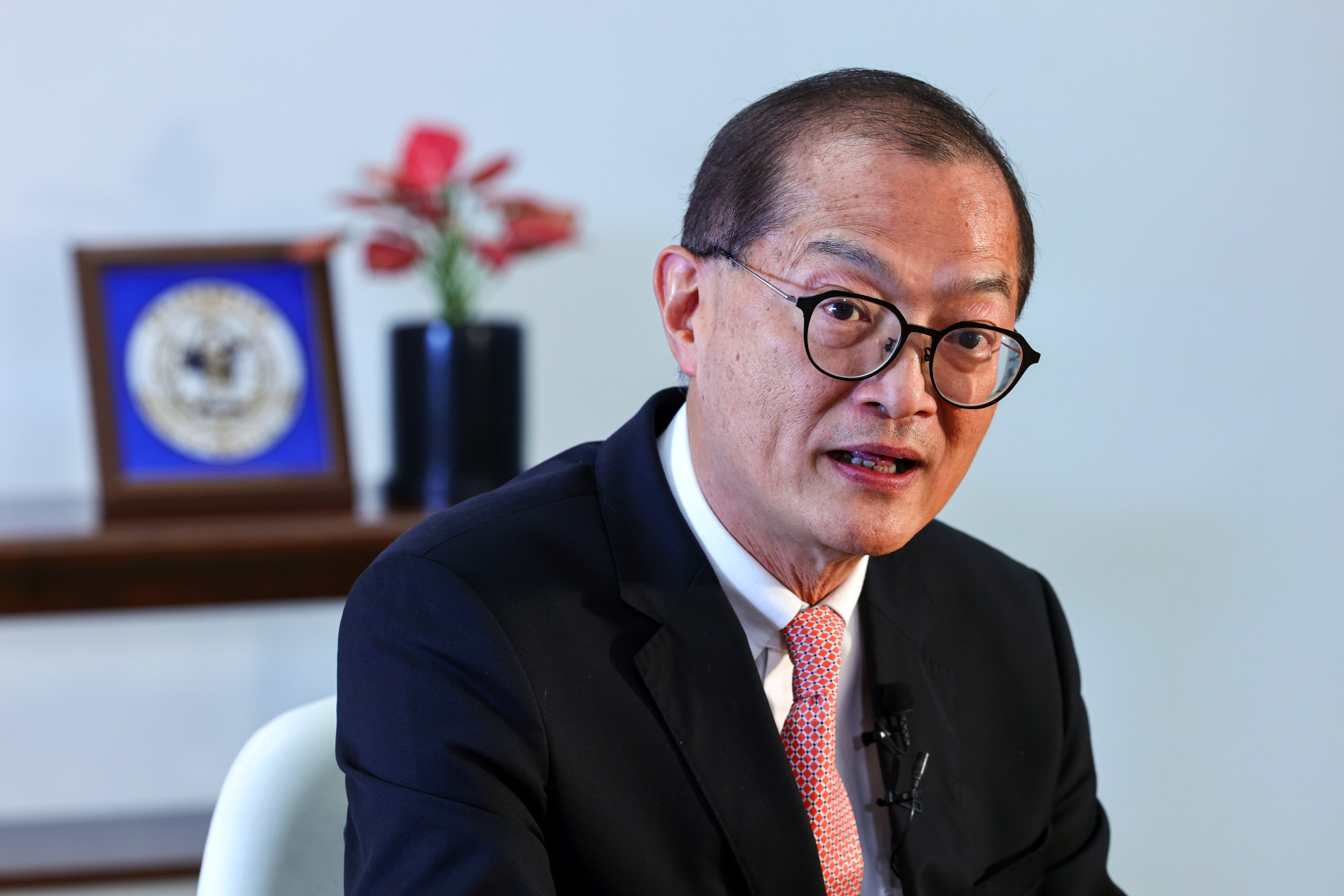
But Lo said health authorities were looking to help those in the middle, particularly residents who were ineligible for such subsidies. He stopped short of saying whether the proposal would involve a means test.
The minister also touched on other proposals that aimed to curb abuse of A&E services, as some hospitals were clocking waiting times of more than eight hours for non-urgent patients.
Health authorities previously offered full refunds over the Lunar New Year and Easter holidays to non-urgent patients who had registered but left before seeing a doctor to reduce demand.
Lo said the measure would be adopted again for long public holidays, since few private doctors would be working during those periods.
The government’s service fee review would also look at whether the public healthcare system should offer full or partial refunds, he added.
“When A&E patients get registered, our colleagues have already provided some services in a basic physical check-up, such as blood pressure and temperature checks, then triage work was also done,” Lo said.
“If we fully refund patients, it will also impact our staff members’ labour value.”
The minister said about 1.3 million people who used A&E services annually came under the categories of semi- or non-urgent patients, making up about 60 per cent of overall demand.
He noted that such services typically cost about HK$2,400, with patients only paying HK$180 for the bill while the government covered the rest.
Based on those figures, authorities were paying more than HK$2 billion for patients whose condition might not necessarily warrant A&E services, Lo added.
The minister earlier this year said the policy change would not involve a one-size-fits-all approach, with urgent cases expected to pay less and costs to be higher for non-serious patients.
Lo on Monday also discussed a recent spate of incidents at public hospitals, including a medical blunder and a power outage, which prompted him last week to call for the authority to conduct a comprehensive operational review.
He told the Post that improving services would require a multipronged approach.
“In our system, are there any good ways of assessment, encouragement, reward or punishment? Are there any inadequacies? Is there any need for a review on the accountability of the management?” he said.
Lo said that the government had not outlined a set direction in terms of changes, adding that holding staff accountable did not necessarily equal having them step down.
Increasing accountability could also involve focusing on which staff explained incidents to the public, such as a hospital chief executive at a facility or a service chief from a relevant department, he added.
“We hope to put a system of accountability into practice and improve the overall process,” he said.
Alex Lam Chi-yau, chairman of concern group Hong Kong Patients’ Voices, said a proposed cap on medical expenses for those with severe illness would be good news for middle-class residents who were ineligible for full government subsidies.
But he suggested that the policy include a means test to help prevent abuse of the system.
“We welcome measures that can help reduce patients’ financial pressure,” he said. “But efforts should also be made to prevent abuse of the measure.”
Lam also raised concerns over the partial refund for holiday A&E services, saying it could result in disputes between some patients and staff.
He added that basic services such as body temperature and blood pressure checks should not translate into fee adjustments for patients.