Some put this down to the improved affordability of private homes after the price index fell in March by 23 per cent from the record high in September 2021, causing more buyers to choose private housing. But this risks oversimplifying the situation. While some demand has been channelled to the private market, others are holding back, for various reasons.
Potential buyers of subsidised housing units can be split into three groups. The “upper middle class”, earning just below the income ceiling, is most likely to switch to the private market as prices fall.
Then there is “core middle class”, earning close to the median household income, who can hardly afford to buy in the private market even at the current lower prices. Amid market uncertainty, they are likely to wait and see, especially since a subsidised home is a once-in-a-lifetime opportunity.
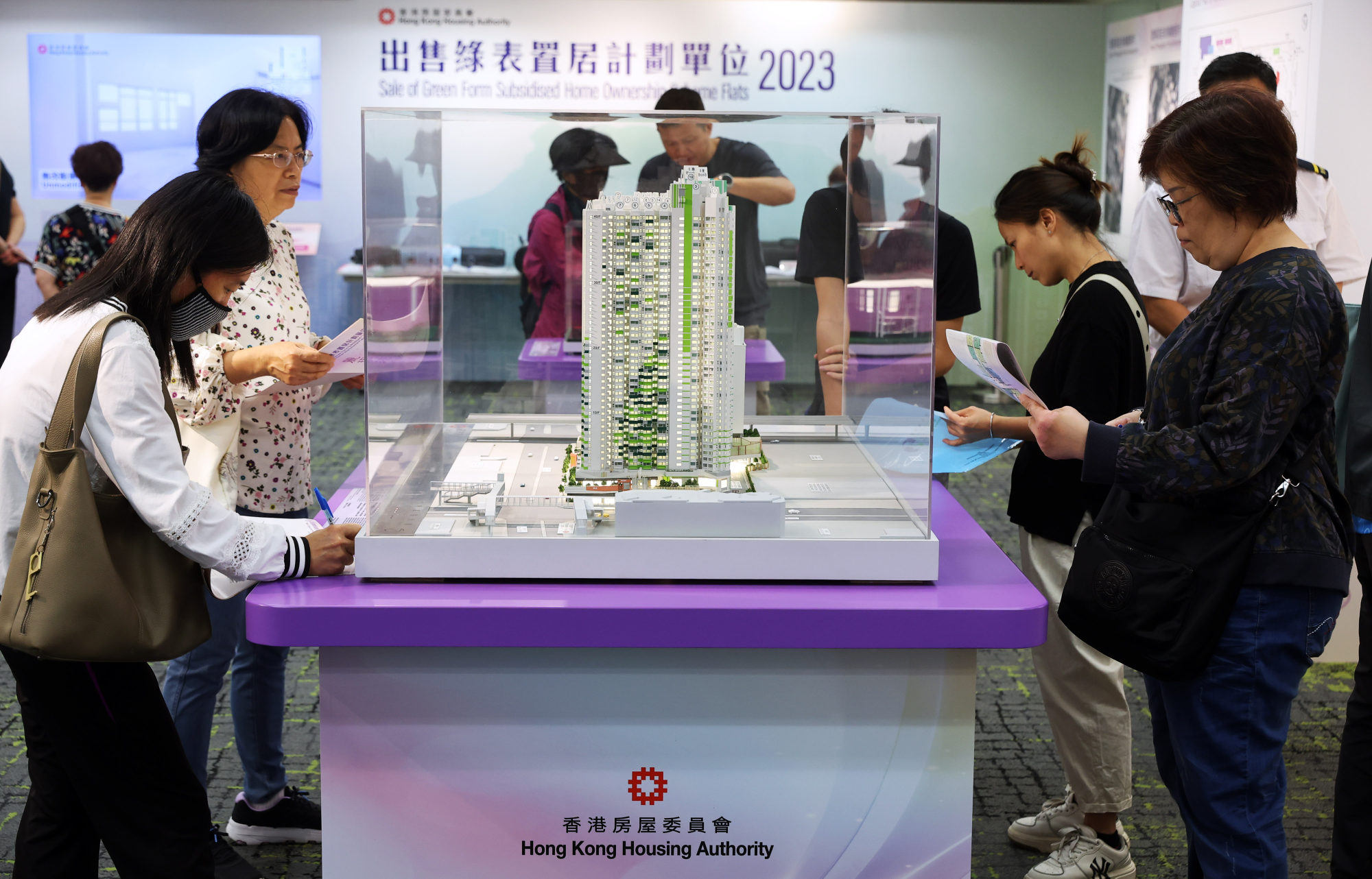
But despite their aspirations, most newly completed subsidised homes remain too small to offer a genuine upgrade.
Across the three groups, subsidised homes remain the only viable option for the “core middle class” and “green form households”. Based on Hong Kong’s household income distribution last year, around 40 per cent of households are eligible for subsidised housing. But subsidised housing made up only 10 per cent of new homes completed between 1997 and 2023.
To address this, subsidised housing prices must be more responsive to market changes, and flat sizes increased.
While HOS units are sold at a discount to market prices, there is usually a time lag of around six months between the price-setting and flat selection. This is especially problematic during a downturn.
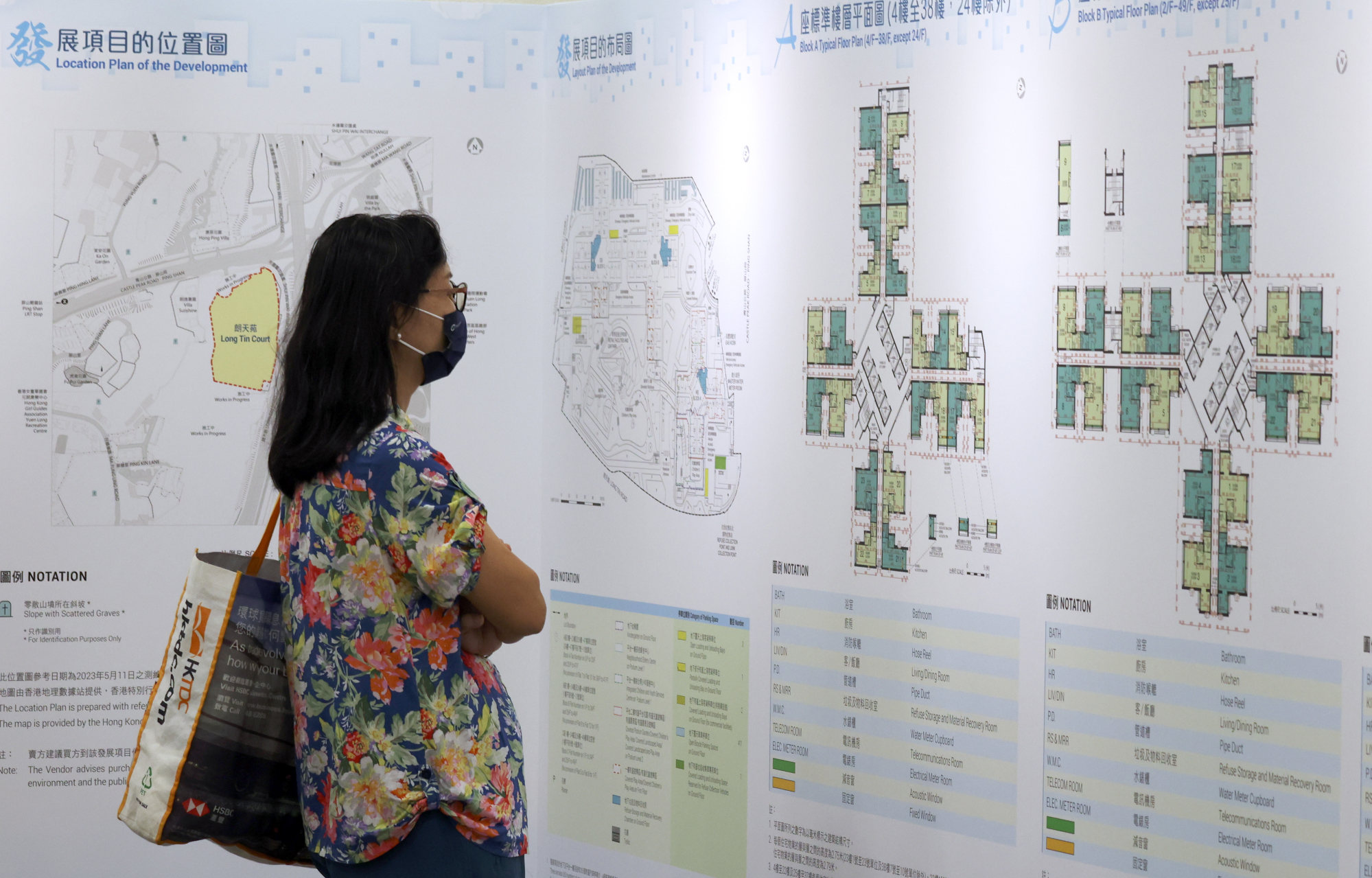
For example, last July, a 38 per cent discount was set for the HOS sale exercise but by the time of flat selection in January, home prices had fallen 10 per cent. Since the current policy meant no price adjustments would be made, the only way to reflect market changes was to reassess the discount rate, which was cut to 30 per cent.
But for “core middle class” buyers, who have limited funds and tight budgets, it would have been much better if the market changes were reflected through actual price adjustments, which would reduce their down payments and mortgages.
The pricing mechanism for subsidised homes needs to be more flexible and responsive to market changes so its promise of affordability remains relevant to those in need.
02:16
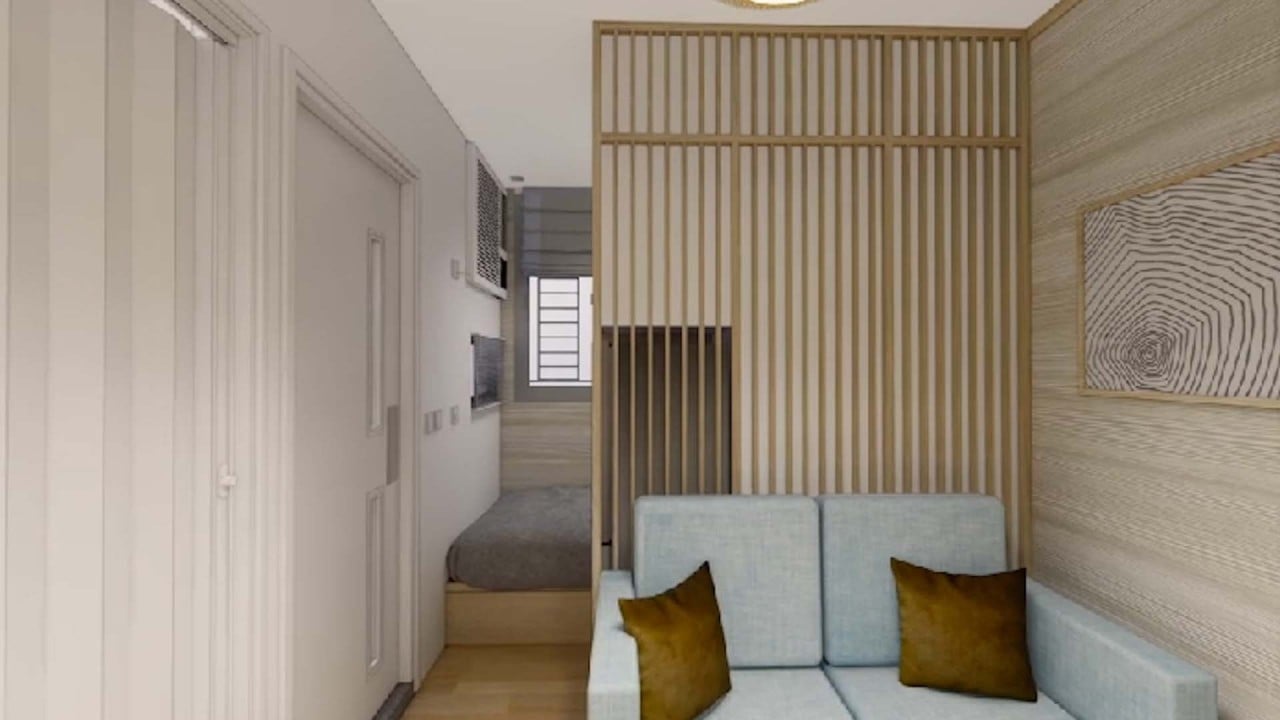
Hong Kong’s new shoebox flats in Diamond Hill
Hong Kong’s new shoebox flats in Diamond Hill
Clearly, larger homes are needed to meet people’s aspirations for a better quality of life.
In short, the recent sluggish sales of subsidised housing does not indicate slowing demand for affordable homes. Rather, enhancements are needed for the pricing mechanism and flat size to meet the needs of households unable to afford homes in the private market. Enhancing Hong Kong’s quality of living will be a long road, and subsidised housing will continue to play a part.
Ryan Ip is vice-president and co-head of research at Our Hong Kong Foundation
Jason Leung is head of land and housing research at Our Hong Kong Foundation