No details were offered on when the scheme would make a comeback.
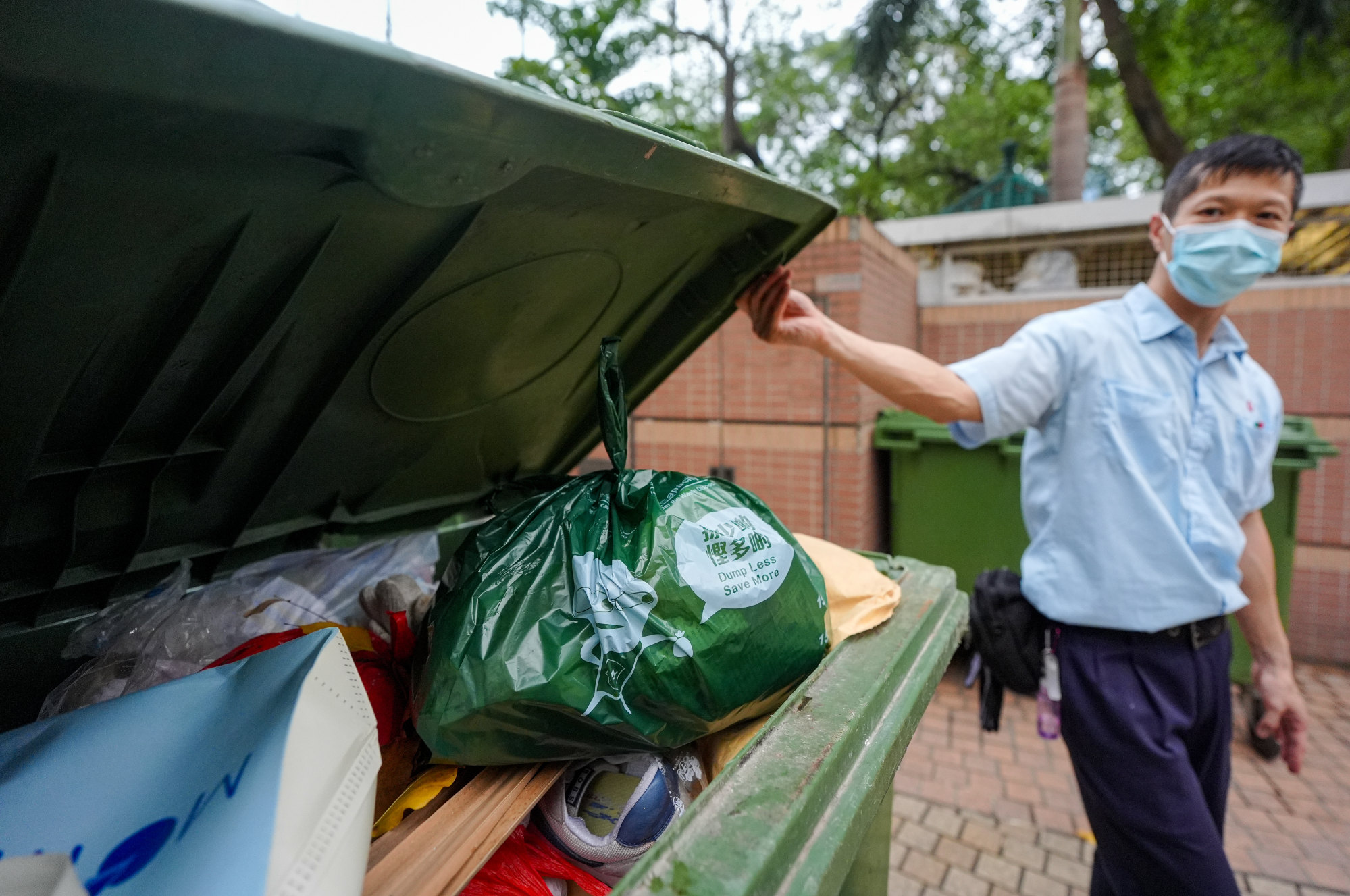
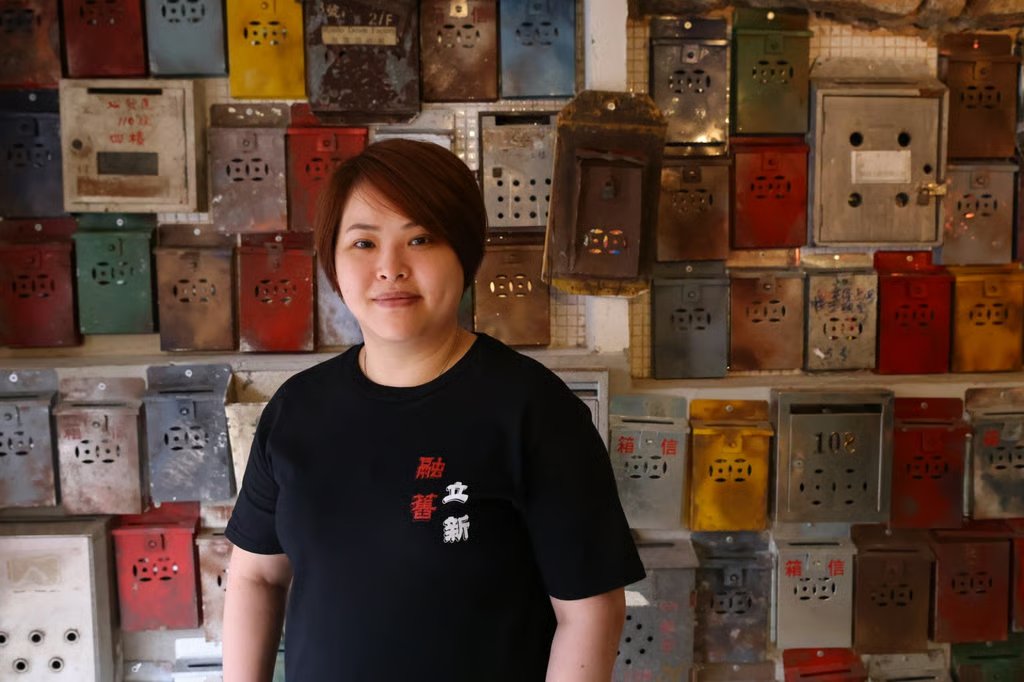
Some residents at Oi Man Estate in Ho Man Tin, one of Hong Kong’s oldest public housing estates, said on Monday that they were sceptical about the government’s mitigation measures.
Housewife Mary Wong, 69, called the distribution useless, adding that she would use the designated bags instead of her own to save money.
“I will have to use rubbish bags to throw my trash, if they give me some, it will mean that I will use less of my own, the most important thing is that they are free,” she said.
Wong also said the elderly were already buying less than young people and that receiving bags would not suddenly force her to purchase or consume less.
Murphy Law, a resident at the estate for more than 40 years, stressed he had no objections to the government distributing bags, but said he believed the plan’s efficacy would be limited since it would not change the elderly’s ingrained habits.
“I think if they educate residents on the idea of recycling and reducing waste early, it will be the best way to solve the issue,” he said.
Under the mitigation measures, authorities would also dish out free bags to private residential buildings which signed a charter pledging to provide recycling facilities and handle the recyclables properly.
Edwin Lau Che-feng, executive director of Green Earth, said on Monday that the government should at least put in place some requirements for using the bags to avoid the squandering of public resources.
“It appears that the government, which has given out tenders for large orders of designated bags, now wants to clear the stock,” Lau told a radio programme, arguing the bags could be kept for two to three years and be given out by the time when the scheme was relaunched.
“But if they were to be given out now, it must be clearly thought out as to whether they are aimed at achieving any positive results.”
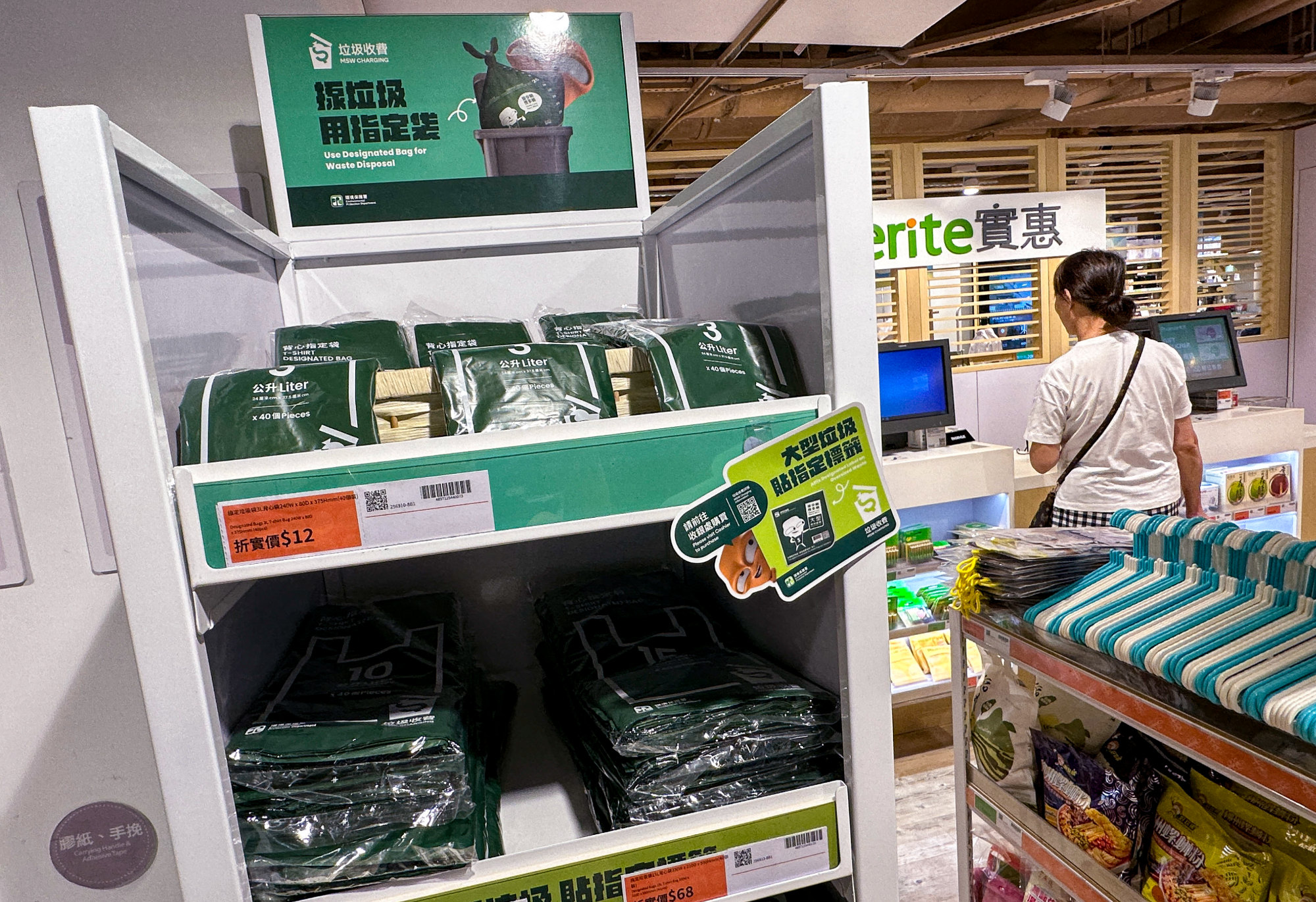
Lau said authorities should request monthly updates from the buildings in return for an uptick in their recycling rates and the reduction of waste discharge with the provision of designated bags, rather than giving them out for free with no strings attached.
“If they cannot achieve desirable results after a few months, it means that the public resources given out become futile. To avoid the abuse of resources, they should not be given the bags any more,” he said.
A better way to bring about change was for all publicly-owned premises to take the lead by starting with the waste-charging scheme as scheduled on August 1 to set an example for Hongkongers, Lau said, adding that the success of the government’s efforts could assure residents.
“The government is not doing it now. Are they concerned that they can’t do it themselves? I hope they can have the confidence and determination to do so, especially since it’s a piece of legislation advocated for,” he said.
The government earlier said it had cost around HK$74 million (US$9.5 million) to produce 170 million designated bags, which now remained in stock.
Under the now-suspended scheme, people would have to buy government-approved bags available in nine sizes, priced from 30 HK cents to HK$11.
But speaking on the same radio show, environment minister Tse Chin-wan defended the move to give out plastic bags, saying it was for Hong Kong residents to experience and learn about recycling and waste reduction, and enhance their understanding.
“The goal is to let everyone experience it, together with more promotion and how to put this to practice,” he said.
Tse said 20 bags would be provided each month together with educational materials on how to recycle. He added that the move was to encourage participants to see if they could use the bags for the 30 days of the month and potentially reduce waste.