Constructed in the 1840s, the Victorian-era building was once a barracks for the colonial British army in Central. Over time, it became home to several different government departments before it was dismantled and rebuilt brick by brick in the seaside village of Stanley in 2002.
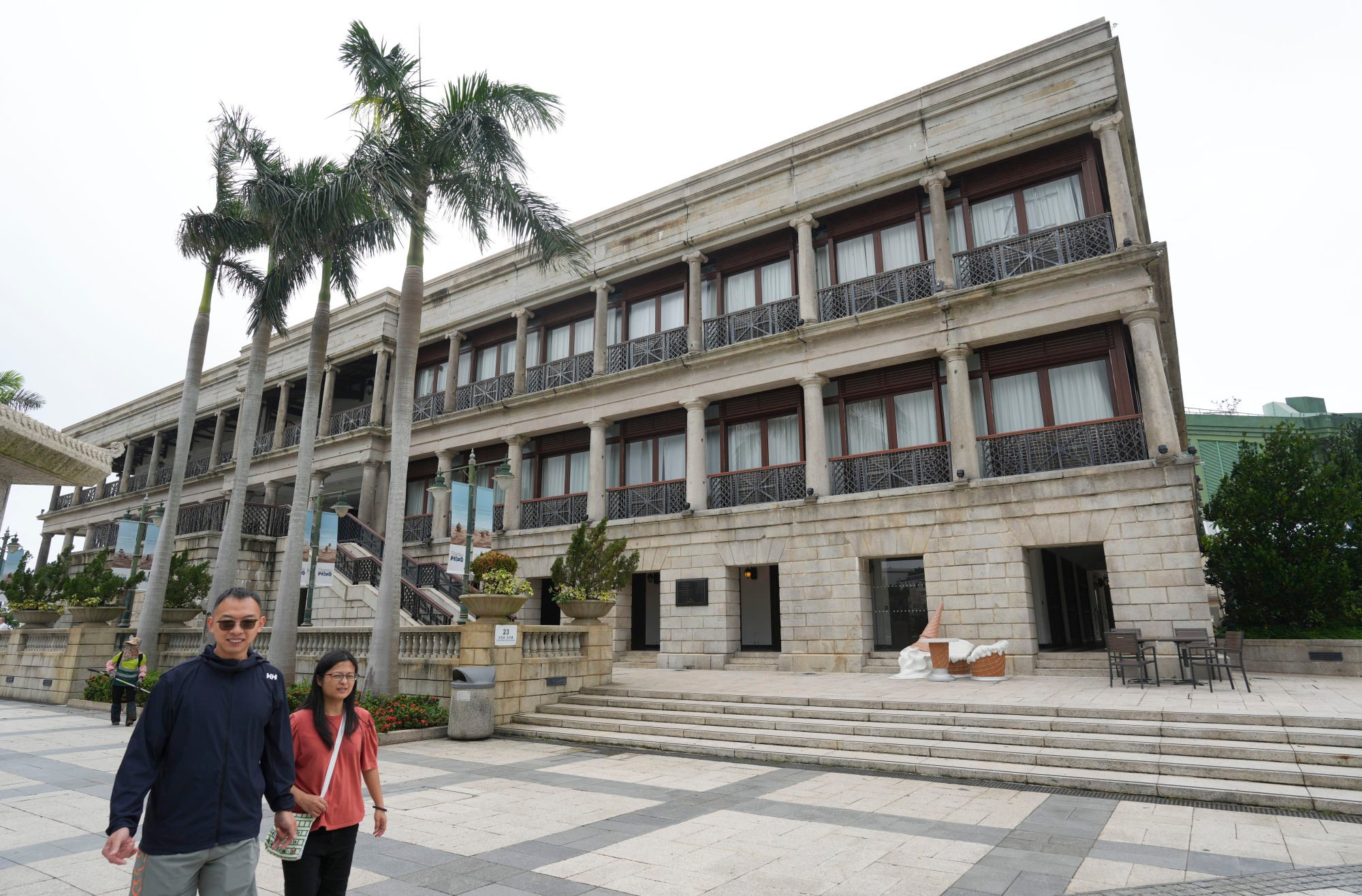
The structure subsequently became a landmark in Stanley, initially housing the Hong Kong Maritime Museum, then transitioning to a retail space filled with restaurants and a flagship three-storey outlet for fast-fashion chain H&M.
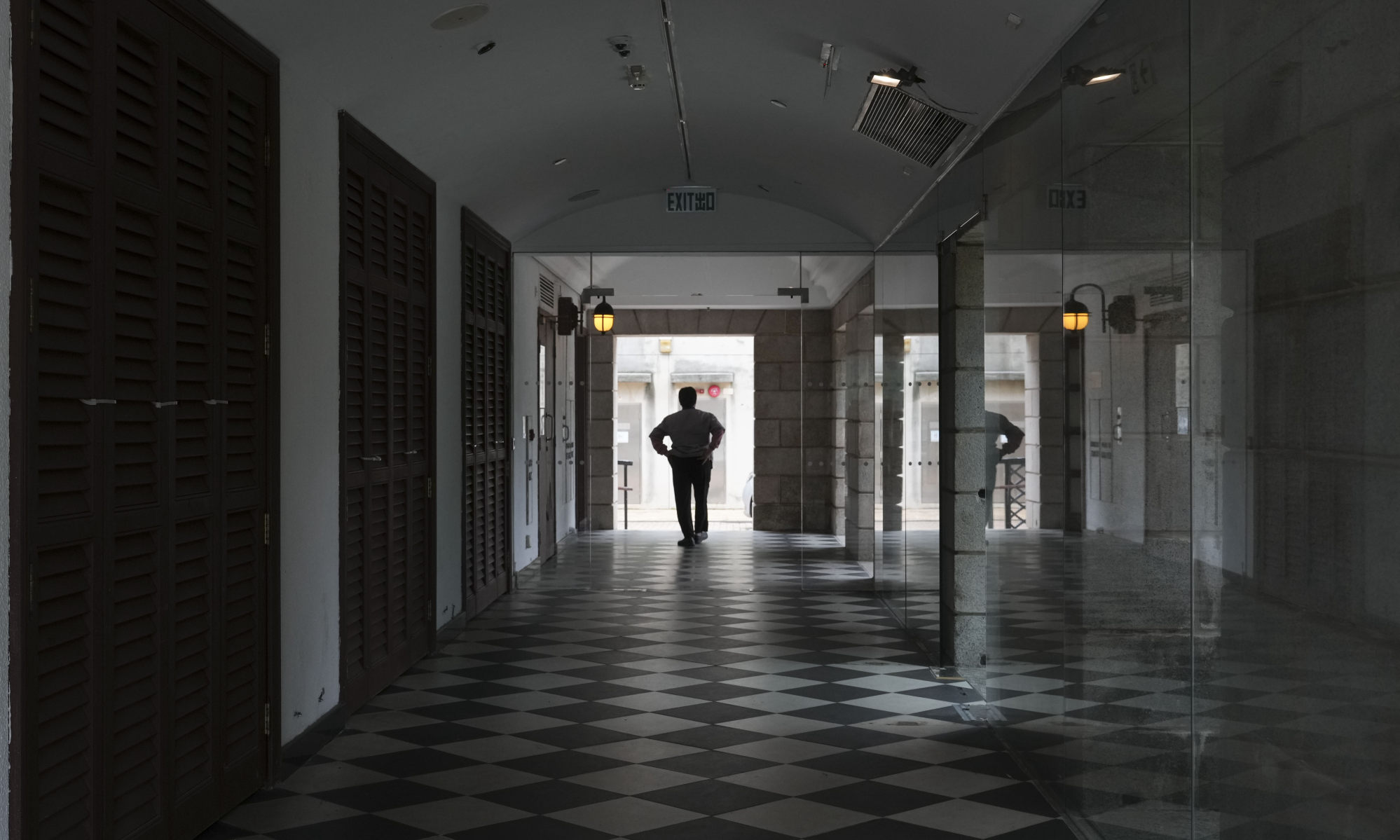
But the projected post-pandemic boom in visitors and shopping did not materialise, driving tenants out of the historic site.
In a reply to the Post, the building’s landlord, mall owner and operator Link Reit, said Murray House remained an “integral” part of the wider Stanley Plaza area, and the company was optimistic despite recent difficulties.
“As a landlord, we can only succeed if our tenants and shoppers thrive,” Link Reit said. “We anticipate a brighter outlook in the near future.”
Murray House’s latest woes exemplify the rest of the city’s retail industry, which has faced headwinds from the slow recovery in inbound tourism, a weak Chinese yuan, high interest rates, the rise of online shopping and a growing number of Hongkongers spending their weekends and holidays in mainland China.
Hong Kong’s retail sales in April were down 14.7 per cent compared with a year ago, marking a second consecutive month of contraction after a 7 per cent drop in March.
According to figures compiled by property consultancy JLL Hong Kong, retail vacancy rates across Central, Causeway Bay, Tsim Sha Tsui and Mong Kok stood at 11.1 per cent in the first quarter of 2024.
This was down from a peak of 18.5 per cent in the third quarter of 2022, but was still more than double the 5.2 per cent vacancy rate logged in the second quarter of 2019.
According to a separate April report by Midland IC&I on the same districts, Mong Kok had the highest number of vacant storefronts at 237 in the first quarter of the year, more than twice the 117 reported in the third quarter of 2018.
On a recent visit to the district, the Post observed that almost every Tai Fung House storefront along Shantung Street was vacant and covered in “for lease” signs.
Nearby, along a section of Bute Street, the Post observed six shuttered storefronts in proximity to each other, with two sandwiched between a pawn shop and a store selling tofu pudding for HK$10 (US$1.3) a bowl.
“Before you would never see empty shops, but now you can see them everywhere,” said 23-year-old Jason Yang Sai-ming, who returned to Hong Kong last year after completing his studies in Canada.
Yang, an aviation industry worker who was shopping in Mong Kok, said that since returning to the city he had been visiting Shenzhen as often as four times a month owing to cheaper prices and a better array of entertainment options.
“There’s not much you can do [in Hong Kong],” he said. “You can’t add a golf course or go-karts – those are things you can do in Shenzhen.”
Hong Kong couple Fung Tong-kin and Ada Law, both 23, who were also shopping in Mong Kok, said they would rather spend on international trips than in Hong Kong.
Fung, who works in education, said he had seen a drop in the quality of shops and service in the city, and doubted that a newly launched government campaign to promote better hospitality would improve the situation.
“I like to go to shops with owners who talk to you and who actually serve you,” he said. “That doesn’t come from slogans or promotions [but from] the overall business environment.”
But there were signs that the market was improving, according to Oliver Tong, head of retail for JLL Hong Kong.
He said international and mainland firms were looking to capitalise on low rents and snap up empty spaces, and predicted that vacancy rates would continue to decline moving forward.
Tong added that while mainland cities such as Shenzhen would continue to attract residents with “exciting retail experiences” in the short term, their appeal could wear off in the long term.
“There’s a lot of room for developers to build the right experience for local people, so I think sooner or later, we will be seeing a more exciting retail landscape for Hong Kong,” he said.