Community care teams tasked by the Hong Kong government with reaching out to needy households, as well as those looking after them, will receive up to HK$240,000 (US$30,675) in extra subsidies.
The pilot scheme by the Social Welfare Department is set to begin later this month, and authorities plan to provide training to team members to equip them with basic communication skills and information on the welfare resources available.
The programme will complement an existing Home Affairs Department scheme, under which district care teams are required to serve a certain number of elderly households through visits or contacts.
In a paper submitted to the legislature on Tuesday, the government revealed that each team in the pilot programme would receive subsidies ranging from HK$160,000 to HK$240,000 based service volume over the initial 12-month run of the programme.
“Key Performance Indicators [KPIs] will be set out for the services provided by the care teams under the pilot scheme, including visiting or contacting needy households,” the paper said.
The District Welfare Offices of the Social Welfare Department will formulate the KPIs “flexibly through consultation with the respective care teams of the subdistricts”.
The population of the districts is expected to be taken into account when deciding the KPIs, which will cover the number of visits to households, contacts with needy residents and follow-ups on caring and support services, among others.
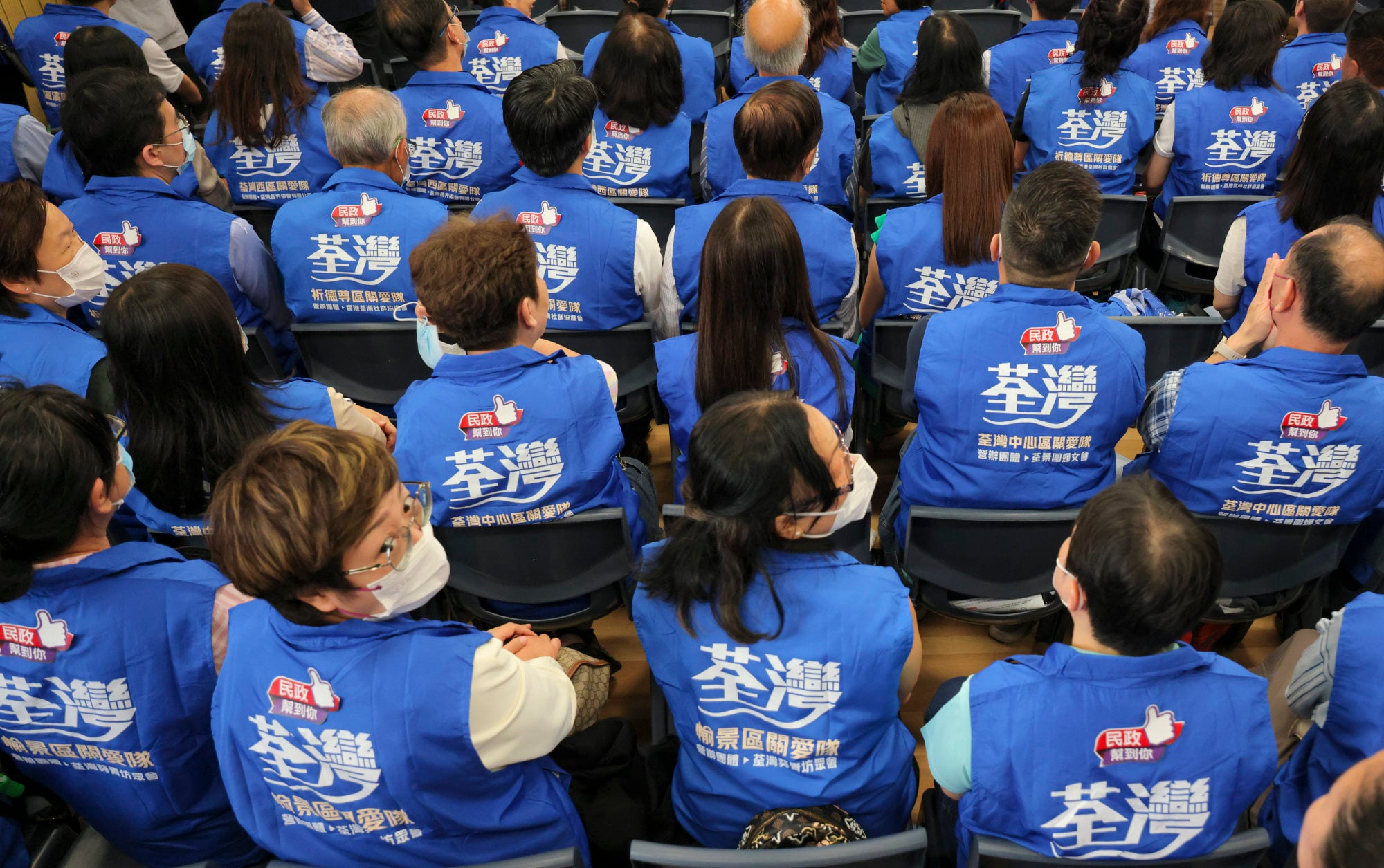
Community care teams were established across 18 districts last year to help promote government initiatives and support residents.
Only patriots are allowed to join the networks of volunteers, who are tasked with a wide range of duties, including visiting and delivering supplies to the needy, providing emergency support in times of crisis and delivering information from the government.
But the government has been prompted to strengthen the community safety net after a spate of tragedies involving vulnerable elderly, disabled people and their carers.
In last year’s policy address, the government announced that the pilot scheme would be launched for the care teams operating in Southern and Tsuen Wan districts, which are divided into 17 to 19 small groups.
Hongkonger, 80, dies in alleged murder-suicide attempt in MTR toilet, wife survives
Hongkonger, 80, dies in alleged murder-suicide attempt in MTR toilet, wife survives
The subsidies will be in addition to the HK$800,000 and HK$1.2 million in base funding that the volunteer community care teams have received for the two-year service agreement period.
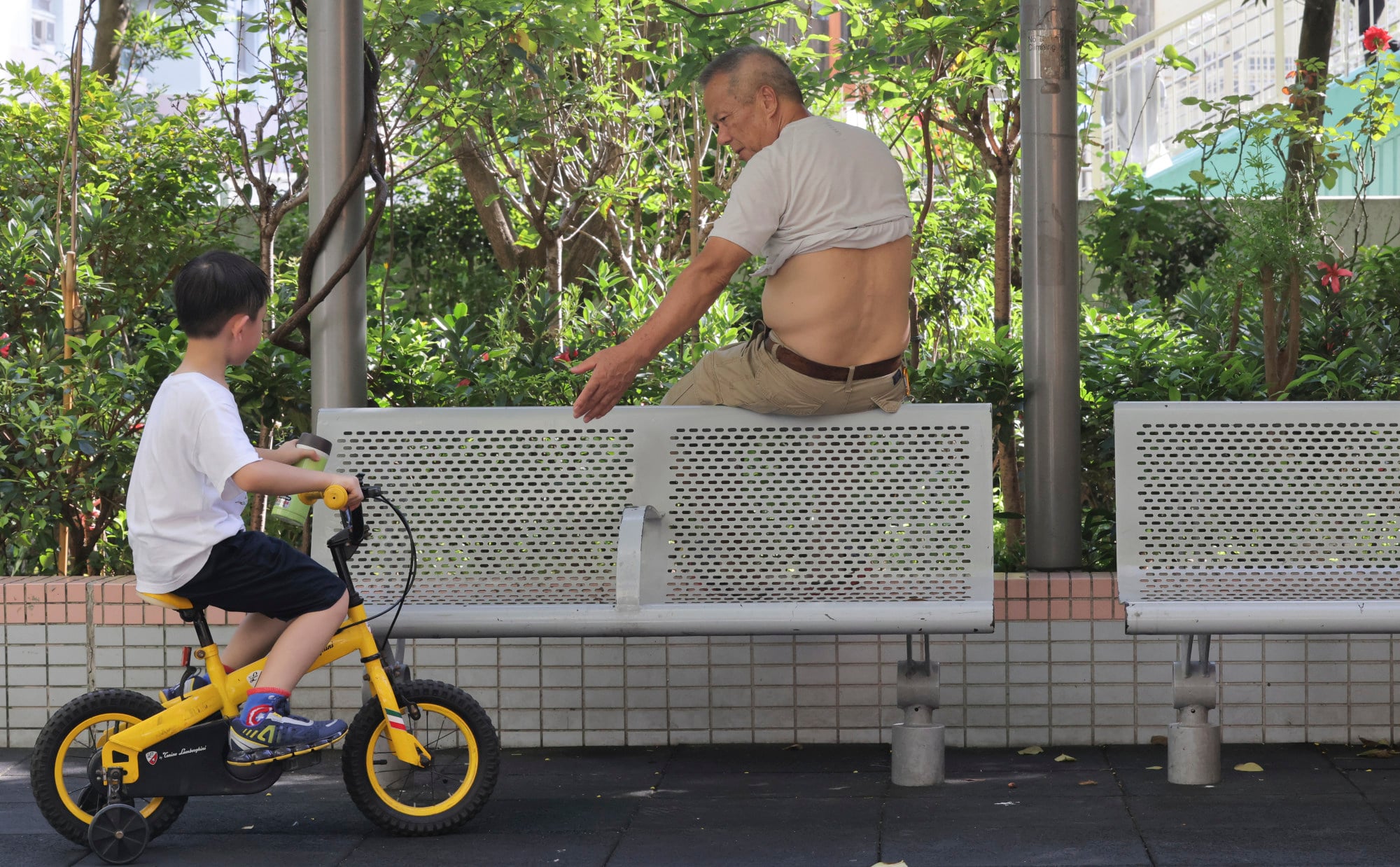
The teams will need to identify singleton and doubleton elderly households as part of the new programme. They will also determine carers of elderly and people with disabilities in need of assistance through visits, contacts and consistent follow-ups.
They will refer those in need to the relevant service units, provide information about social welfare services, and help them apply for and install emergency alarm systems, among other assistance.
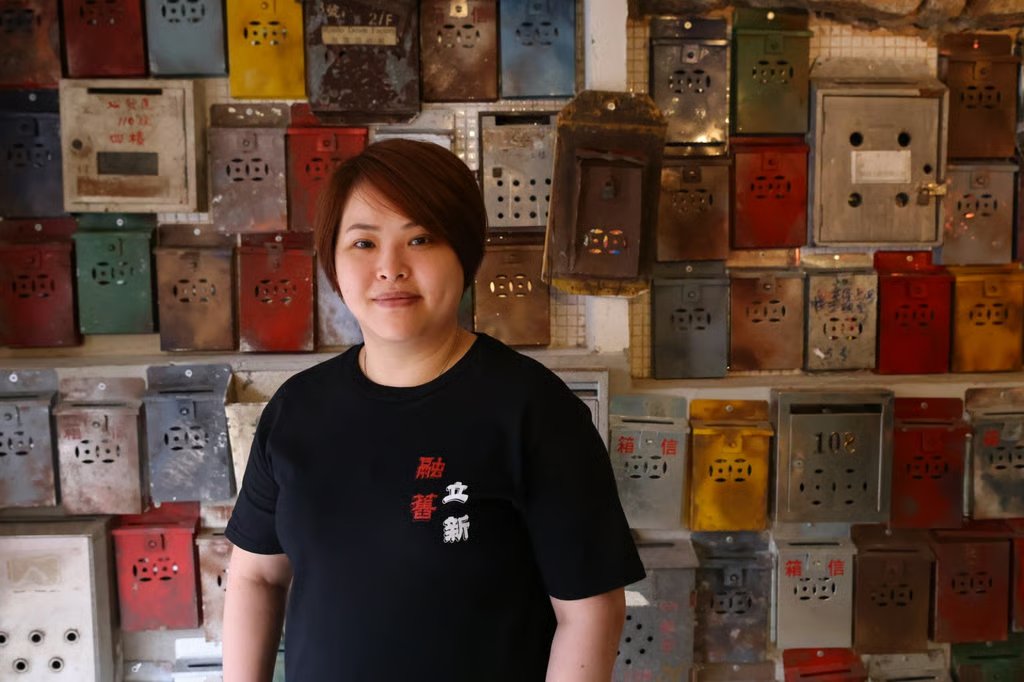
Lam Yuk-chun, care team captain of the Ap Lei Chau Estate subdistrict in Southern district, said home visits had always been one of their tasks, but the pilot scheme would require them to do more.
The team was mandated by the Home Affairs Department to serve 800 households.
Team members are currently required to provide those in need with information, help them make appointments for the services provided, offer technology assistance and arrange referrals to relevant departments or agencies for follow-up.
“The services we are set to provide will be different,” Lam said. “In the past we helped the elderly with repairing and cleaning upon requests.
“But the pilot scheme will require us to take a more targeted approach, and conduct regular visits. We have a rough idea of which households need our support … but only those in need and are willing to accept our services will be counted in the KPIs.”
Koo Yeung-pong, care team captain of the Clague Garden subdistrict in Tsuen Wan, agreed that the tasks were very different from their regular home visits, which were provided on a one-off basis.
The team was required by the Home Affairs Department to serve at least 2,000 elderly households in the subdistrict.
“It is hard to say if the subsidy is enough, how much they pay determines how much we do, we can only tell [whether it’s sufficient] afterwards.”
Bedridden woman, 75, found alone in Hong Kong flat with brother’s body
Bedridden woman, 75, found alone in Hong Kong flat with brother’s body
He said he hoped the Social Welfare Department would provide more information on the demographics of the households in the subdistrict to facilitate their work.
Community care has been in the spotlight after a string of incidents that claimed the lives of elderly and disabled residents, as well as their carers.
In late January, an 80-year-old man died in an alleged murder-suicide attempt inside the Shek Mun MTR station toilet, while his disabled wife with dementia survived. The couple were found unconscious inside the public toilet with their heads covered by plastic bags tied with strings.
Last September, two brothers with mental disabilities were believed to have starved to death after their mother was admitted to hospital.
Last June, a 75-year-old woman, bedridden with lymphoma, was found extremely weak and dehydrated by firefighters in a flat in Happy Valley. They found her younger brother and carer, aged 71, dead in the bathroom.