COVID-19 disrupted U.S. cancer detection: A Two-Year review

Cancer detection in the U.S. significantly disrupted during first year of COVID-19 pandemic, partial recovery seen in second year.

Study: Recovery From COVID-19–Related Disruptions in Cancer Detection. Image Credit: Inside Creative House/Shutterstock.com

In a recent study published in the JAMA Network Open, a group of researchers assessed the disruption and recovery in cancer detection during the first two years of the coronavirus disease 2019 (COVID-19) pandemic, using national cancer incidence data from 2000 to 2021.

Background 

The COVID-19 pandemic significantly disrupted oncologic services, affecting cancer screening, diagnosis, treatment, and survivorship. During the early pandemic, cancer incidence dropped nearly 9% in 2020 and by almost 50% during peak lockdown months due to resource reallocation and patient hesitancy to seek care.

Access to diagnostic cancer services was constrained, and risk tolerance for seeking care varied across sociodemographic groups.

Health systems adapted by expanding telemedicine and prioritizing cancer diagnostics. However, the effects on cancer care were dynamic. Further research is needed to assess long-term impacts and address gaps in cancer detection during the pandemic.

About the study 

The study design, analysis, and presentation followed the Strengthening the Reporting of Observational Studies in Epidemiology (STROBE) guidelines for cross-sectional studies. The research team clearly described the study setting, patient inclusion criteria, and data collection methods.

Statistical methods were designed to be replicable, and the results were cautiously interpreted, acknowledging statistical uncertainty and the dataset’s limitations. All analyses were conducted in May 2024.

The protocol for this cross-sectional study was reviewed and exempted by the institutional review board of Case Western Reserve University, as it was deemed not to involve human participant’s research. Informed consent was waived.

To estimate the percentage difference between expected and observed cancer incidence in 2020, Surveillance, Epidemiology, and End Results (SEER) data were used. Expected incidence was forecasted using join point trend modeling based on 20 years of pre-pandemic data (2000-2019). This method was extended to 2021 to assess recovery in cancer detection.

Analyses were performed for all cancer types combined and stratified by demographic, community (county-level) characteristics, and major cancer sites. All incidence rates were age-adjusted and delay-adjusted when possible. Demographic information included a race and ethnicity variable, categorized into five mutually exclusive groups.

The national deficit in observed cancer cases was modeled by extrapolating SEER data to national population estimates from the National Cancer Institute and the United States (U.S.) Census Bureau. Statistical tests were conducted at the α = .05 level, and 95% confidence intervals (CIs) were calculated using standard methods.

Trend models were selected using permutation tests, and data were accessed via SEER*Stat. Trend analyses were conducted using the Joinpoint Regression Program.

Study results 

The study analyzed 15,831,912 patients diagnosed with malignant cancer between January 1, 2000, and December 31, 2021. Using data from patients diagnosed between 2000 and 2019 (n=14,246,457), a trend model was developed to project the expected cancer incidence for 2020 and 2021.

These projections were compared with the observed cancer incidence during the pandemic years, where 759,810 and 825,645 cases were observed in 2020 and 2021, respectively.

The study included patients with a median age of 65 years (IQR, 56-75 years), with 49.0% female and 51.0% male. The racial and ethnic composition included 0.4% American Indian or Alaska Native, 10.4% Black, 5.0% Asian or Pacific Islander, 11.1% Hispanic, and 72.4% White.

In 2020, the forecasted cancer incidence rate was 458.12 per 100,000 population (95% CI, 456.71-459.54), but the observed incidence was significantly lower at 418.90 per 100,000 population (95% CI, 417.94-419.86).

This reflected a percentage difference of −8.6% (95% CI, −9.1% to −8.1%) between expected and observed incidence rates. By 2021, the observed cancer incidence (458.33 per 100,000) nearly matched the expected rate of 459.06, with a non-significant percentage difference of −0.2% (95% CI, −0.7% to 0.4%), indicating a recovery in cancer detection.

The estimated national deficit in cancer diagnoses was 125,167 cases in 2020 (95% CI, −131,771 to −118,503), which decreased to 2,764 cases in 2021 (95% CI, −11,833 to 6,402). The cumulative deficit for 2020-2021 was 127,931 cases (95% CI, −139,206 to −116,655).

Subgroup analyses revealed varying impacts of the pandemic on cancer detection by demographic and community characteristics. In 2020, cancer incidence decreased more for male patients and those with localized cancers.

Additionally, larger decreases were observed in counties with lower poverty rates, higher educational levels, and higher percentages of non-US-born residents.

Although incidence rates improved in 2021, patients living in rural counties continued to experience depressed cancer detection rates (−4.9% in rural counties not adjacent to metropolitan areas, 95% CI, −6.7% to −3.1%). Conversely, cancer incidence rates increased for female patients, those younger than 20 years, and Asian or Pacific Islander individuals.

Specific cancer sites were also affected differently. Gallbladder, eye, and orbit cancers showed sustained depressed incidence rates in 2021, while lung and bronchus, prostate, and melanoma had the largest cumulative deficits over 2020-2021.

Some cancer types, such as stomach and chronic lymphocytic leukemia, experienced a full recovery, exceeding 2021 projections.

Conclusions 

To summarize, the analysis showed that cancer detection improved in 2021 after significant disruptions in 2020, but recovery varied by patient demographics, community characteristics, and cancer type. An estimated 127,931 cancer cases went undiagnosed due to the pandemic.

Most cancer sites had incidence rates close to baseline by 2021, but several still had cumulative deficits in diagnosed cases.

Continued monitoring is essential to address the gap in undiagnosed cancers, especially in rural and underserved populations, to prevent a future surge of advanced cases and mitigate disparities in cancer outcomes caused by the pandemic.


Source link

Visited 1 times, 1 visit(s) today

Related Article

Nvidia’s trillion-dollar run puts pressure on the bulls

BEIJING, CHINA – MAY 14: Nvidia CEO Jensen Huang (C) gestures as he prepares to depart following a welcome ceremony at the Great Hall of the People on May 14, 2026 in Beijing, China. President Trump is meeting with President Xi Jinping in Beijing to address the Iran conflict, trade imbalances, and the Taiwan situation

Permutations in Europe: What’s still at stake in final weeks of season?

There’s still plenty to play for across Europe as we head into the final matches of the club season. Here are all the title races, Champions League fights, and relegation battles left to be decided in the top leagues this month. This story will be updated until the end of the campaign. 👉 Jump to:EPL

Brewing a Better Half-Gallon Batch

Today I finally ran an experiment I’ve wanted to try for a long time. If you’re a professional barista—or you run a busy café—this may save you some time. Most coffee shops use 1–1.5 gallon batch brewers (Bunn, Curtis, Fetco, etc.). When I opened Short Sleeves Coffee, I intentionally avoided brewing full 1-gallon batches. I

5 Frozen Breakfasts Chefs Say Keep You Full All Morning

Chef-approved frozen breakfasts with more protein and better ingredients. Eating a healthy breakfast every morning is a great way to start the day, but most people don’t have time to cook. Whether you’re rushing out the door in the morning for work, taking the kids to school or both, there’s usually not much time in

CA scales back plan to ban student use of cell phones

By Carolyn Jones, CalMatters This story was originally published by CalMatters. Sign up for their newsletters. Until last month, California was poised to join nearly a dozen other states that ban cell phones in K-12 schools. But under pressure from school boards and administrators, lawmakers scaled back a bill that would have required such a

BulkQuant Launches AI Trading Bot for Crypto, Forex, and Stock Markets

BulkQuant Launches AI Trading Bot for Crypto, Forex, and Stock Markets

London, United Kingdom, May 15, 2026 (GLOBE NEWSWIRE) — BulkQuant has officially launched its AI trading bot platform designed for crypto, forex, and stock market traders seeking a simpler way to automate trading strategies across multiple financial markets. The platform combines AI-powered quantitative analysis, automated trade execution, portfolio monitoring, and adaptive risk management into a

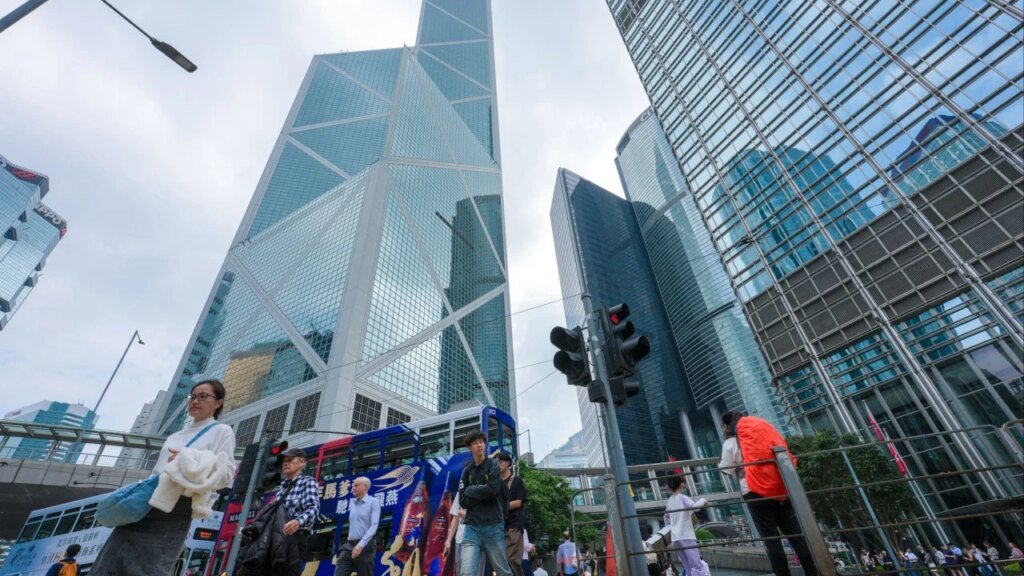
IMF lauds resilient Hong Kong economy but warns of risks linked to Middle East war

IMF lauds resilient Hong Kong economy but warns of risks linked to Middle East war

The International Monetary Fund (IMF) has lauded the resilience of Hong Kong’s economy, noting a sustained recovery despite economic activity having yet to return to pre-Covid levels, while warning of downside risks stemming from escalating geopolitical tensions. It also urged Hong Kong to pursue medium-term financial reforms, including the introduction of a goods and services

Smithsonian Presidents Exhibit Reopens With Low-Key Trump Impeachment Mention

For the past year, the Smithsonian Institution has found itself in the awkward position of telling the nation’s story while being supported in part by a government that wants to narrow how that story is told. In December, the White House threatened to revoke funding to the institution if it did not hand over a

Marvel’s Daredevil Follow-up Is Already Dominating on Streaming

A follow-up to Daredevil: Born Again Season 2 on Disney+ has become a massive streaming success within days of its launch. The Punisher: One Last Kill has quickly climbed to the top of multiple charts, beating out other titles on the platform. The MCU television special follows the gun-toting vigilante, who finds himself targeted by

Is Now a Bad Time to Invest?

The market has been on a roll lately, with the S&P 500 (SNPINDEX: ^GSPC) setting new highs throughout May. If you think you missed your opportunity when the market bottomed in late March, don’t fret. The market hitting new all-time highs is not particularly rare and should not change your investment strategy. And if you

6 bids for Hong Kong land sale signal renewed confidence despite market caution

6 bids for Hong Kong land sale signal renewed confidence despite market caution

The Hong Kong government’s first land sale in the current financial year has drawn six bids, according to the Development Bureau, including those from the city’s largest developers, suggesting a more confident outlook for the residential property market. At the close of tender for Tung Chung Town Lot No 54 at Area 106A on Friday

Each Premier League team reranked: Man City rise; Chelsea, Liverpool collapse

Ryan O’Hanlon Close Ryan O’Hanlon ESPN.com writer Ryan O’Hanlon is a staff writer for ESPN.com. He’s also the author of “Net Gains: Inside the Beautiful Game’s Analytics Revolution.”  and  Bill Connelly Close Bill Connelly ESPN Staff Writer Bill Connelly is a writer for ESPN. He covers college football, soccer and tennis. He has been at

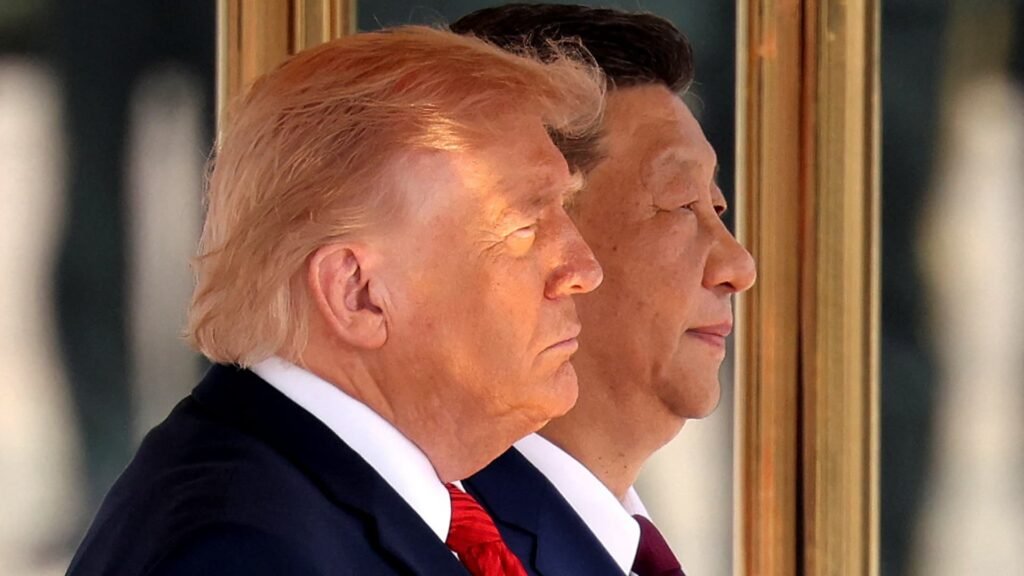
Trump departs China after two-day summit

Trump departs China after two-day summit

IE 11 is not supported. For an optimal experience visit our site on another browser. Trump Wraps China Summit With Xi Jinping: What Are the Results? 05:41 Xi gives Trump rare tour of secret garden at heart of Chinese government 01:04 Now Playing Trump departs China after two-day summit 01:01 UP NEXT Special Report: Trump

Carol Chow was facing a bankruptcy petition by five people over unspecified debts at the time of her death. Photo: Dickson Lee

Embattled Hong Kong developer sued for HK$130 million, days after founder’s death

A Hong Kong property developer has been sued for HK$130 million (US$16.6 million) over allegedly breaching guarantor obligations in two bond subscription agreements, becoming the latest lawsuit to implicate the embattled company and following its founder’s sudden death earlier this week. Lofter Group, known for its urban renewal projects across the city’s core districts, and

Trump’s China visit left chip export issue unresolved

This report is from this week’s The Tech Download newsletter. Like what you see? You can subscribe here. One look at the roster of U.S. execs that cozied up to U.S. President Donald Trump on the 20+ hours flight from Alaska to China on Wednesday and you get a sense of the American delegation’s key focus

Why the Cerebras IPO matters for the AI race with China

Why the Cerebras IPO matters for the AI race with China

Cerebras, an AI chipmaker, saw its shares nearly double on Nasdaq, closing up 70% with a $95B market cap. Cerebras’s powerful chips are key in the US-China AI tech race. Chris Buskirk, co-founder and chief investment officer of 1789 Capital, a key Cerebras investor, says the company’s IPO is geopolitically significant. On Thursday, shares of

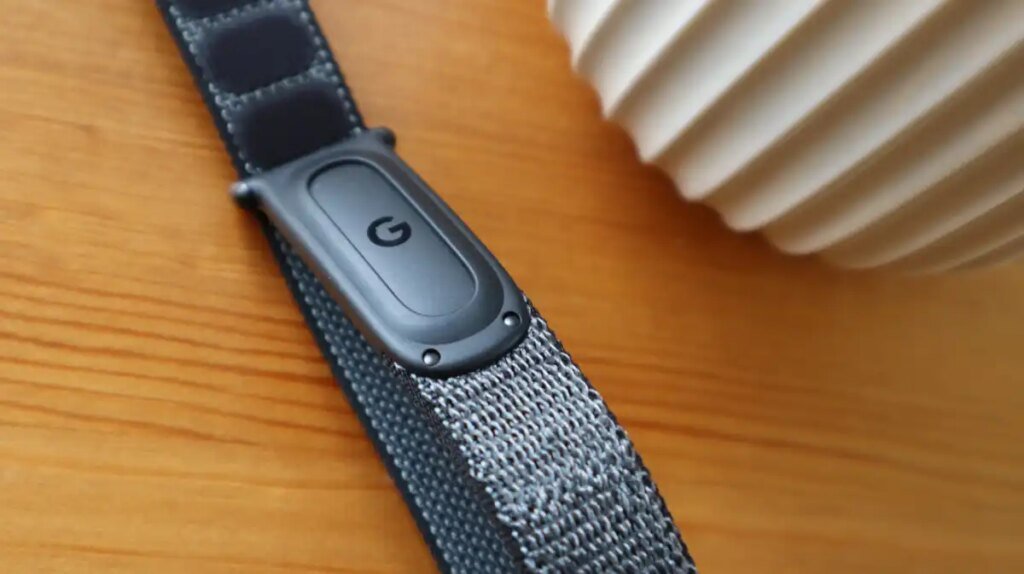
Fitbit Air vs Whoop Strap Comparison: Price, Features and AI

The Google Fitbit Air is very much the talk of the fitness tracking town right now, not only because it’s the first new Fitbit device that we’ve had in years, but it’s also one of the first big brands to go head-to-head with the established Whoop Strap (if you don’t count the Polar Loop and

0
Would love your thoughts, please comment.x
()
x