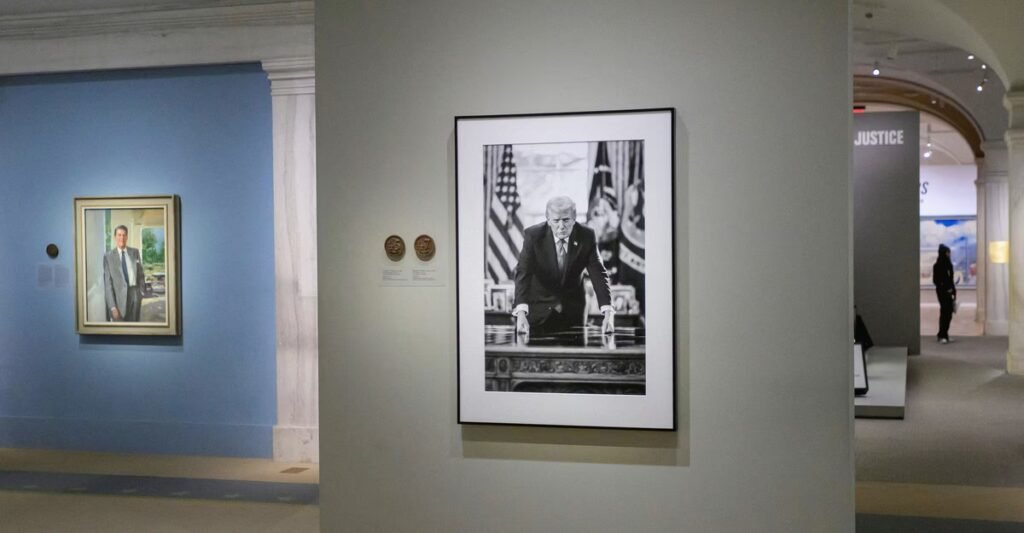
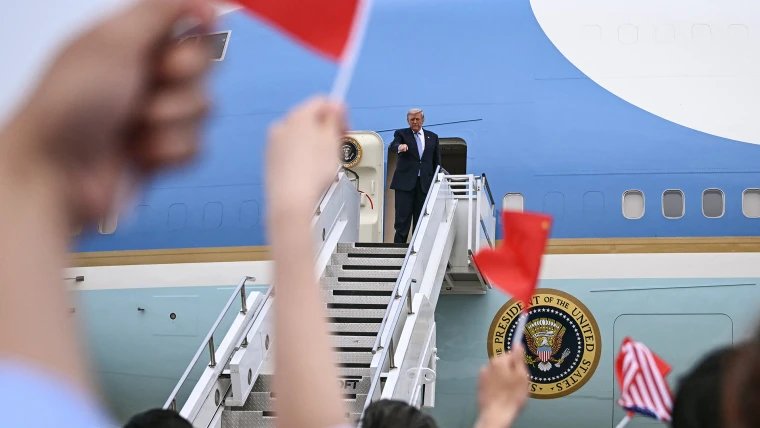
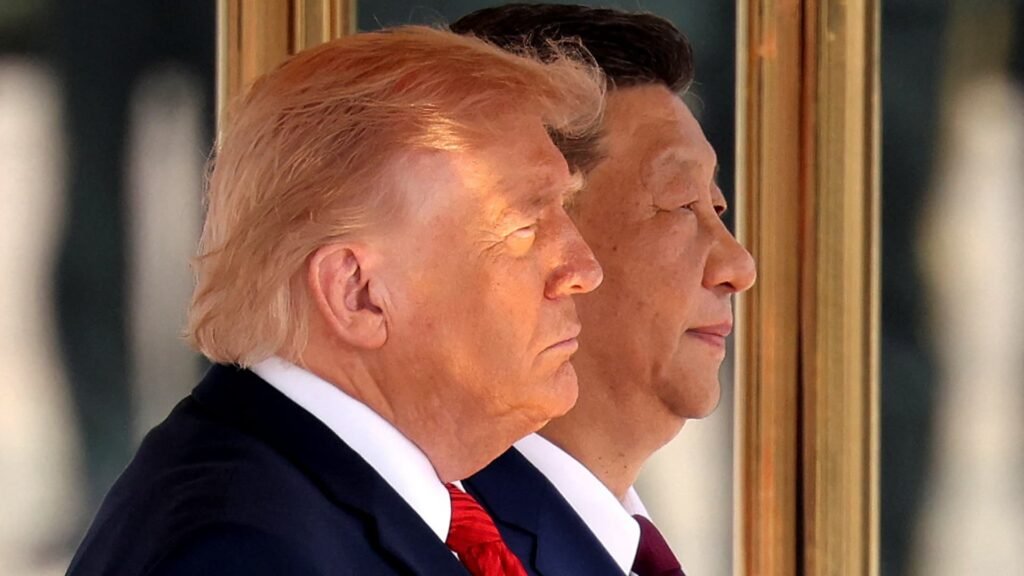
President Donald Trump is scheduled to attend a summit in May with President Xi Jinping of the People’s Republic of China. High on the latter’s list of priorities is Taiwan (which maintains a fragile independence). China’s communist government under Xi suspects Trump can be persuaded to forsake Taiwan (at least in official verbiage).
The arrangement is complicated. Under former President Joe Biden, the official position was that the United States “does not support” the independence of Taiwan. Xi aims to negotiate a revised U.S. position to “oppose” the independence of Taiwan. The wording is important, as the change would alter the traditional U.S. position of opposing the People’s Republic of China’s ambitions regarding Taiwan. Of course, if the U.S. does not support the independence of Taiwan then the communists have fertile ground to garner U.S. tolerance of Chinese designs on the island democracy.

Xi has ample reason to expect Trump to direct U.S. policy in favor of communist China. Trump refers to Xi as his “friend” and harbors resentment of Taiwan’s control of 90 percent of the world chips market. According to the Wall Street Journal, Trump is also preoccupied with Iran and may well find it expedient to accommodate China, especially if China agrees to purchase Boeing Aircraft and relax its export restrictions on precious minerals.
Of course, the China-Taiwan puzzle itself predates the current political dynamics of international trade. The communists took over China in 1949 at the conclusion of the country’s civil war. The Kuomintang, the nationalist party under Chiang Kai-shek which ruled China prior to the communists, were then driven to the island of Taiwan. The situation has since been a stalemate, as communist China claims the island of Taiwan as its own and recognizes an eventual reunification (known in both communist China and the U.S. as the one-China policy).
Due to the United States, the stalemate is able to survive. Though the U.S. recognizes the one China policy, it opposes the communists taking the island by force. This became the de-facto policy when Richard Nixon established relations with the People’s Republic of China in 1972. The policy was made official when Jimmy Carter established formal relations with the People’s Republic of China in 1979.
In other words, the U.S. recognizes one China but opposes Chinese takeover of Taiwan by force. Moreover, the U.S. sells arms to Taiwan and is tacitly committed to its defense. Incidentally, the U.S. put a recent pause on a 15 billion dollar arms purchase by Taiwan at Xi’s insistence. This is all the more reason why Xi believes he can sway Trump to favor his communist regime over an independent Taiwan.
If all of this seems complicated, that’s because it is complicated. But there is more. The Kuomintang ruled Taiwan until losing in 2016 to the Democratic Progressive Party (DPP). But it’s the Kuomintang, the party toppled by the communists, which favors improved relations with communist China. The DPP, under President Lai Ching-te, favors staunch independence from communist China.
How did this come about? Because, like the communists, the Kuomintang also supports the principle of one China. It only maintains a conflicting vision of China under the old regime. The DPP, on the other hand, maintains separation from communist China (as opposed to a dream it will one day rule over a united China).
China and Taiwan have nurtured this confusion and brought it on themselves. But this should not mean that the U.S. should reward such confusion. It’s time to recognize an independent Taiwan, a policy consistent with our actions. Trump harbors both a soft spot for Xi and a grudge against Taiwan. But a China allowed to overrun Taiwan is unacceptable. The status quo is unworkable and compels the U.S. to strive for an independent Taiwan.
John O’Neill is an Allen Park freelance writer and a graduate of Wayne State University.