A person’s curiosity is a never-ending fire that drives them to explore new worlds and learn new things. And sometimes this curiosity leads to places that are breathtaking from a distance but dangerous if approached too closely.
The Earth is a wonderful piece of creation consisting of various places that are both beautiful and diverse. From lush rainforests to vast deserts, the planet offers a wide range of landscapes for exploration and admiration.
In this article, we’ve curated a list of the top 15 dangerous places on the Earth that are not for faint-hearted adventurers. These locations are known for their extreme conditions, unpredictable weather patterns, and potential dangers that make them thrilling yet risky destinations for those seeking adventure.
Recommended For You| 15 Interesting Facts About Sequoia National Park
15 Most Dangerous Places in the World
Here is a list of the top 15 dangerous places in the world that should be avoided because they are risky and potentially unsafe for visitors.
- Snake Island, Brazil
- Danakil Desert, East Africa
- Sahel, North Africa
- Oymyakon, Russia
- Alagoas, Brazil
- Monrovia, Liberia
- Mount Sinabung, Indonesia
- Skeleton Coast, Namibia
- Lake Natron, Tanzania
- Dallol, Ethiopia
- North Sentinel Island, India
- Bermuda Triangle, North Atlantic
- Lake Nyos, Cameroon
- Haiti
- Death Valley, California
The Most Dangerous Places on the Planet
Here is the list of the top 15 most dangerous places in the world that offer both adventure and risk to tourists and thrill-seekers alike. These destinations provide a unique and adrenaline-pumping experience for those willing to take the risk.
1. Snake Island, Brazil
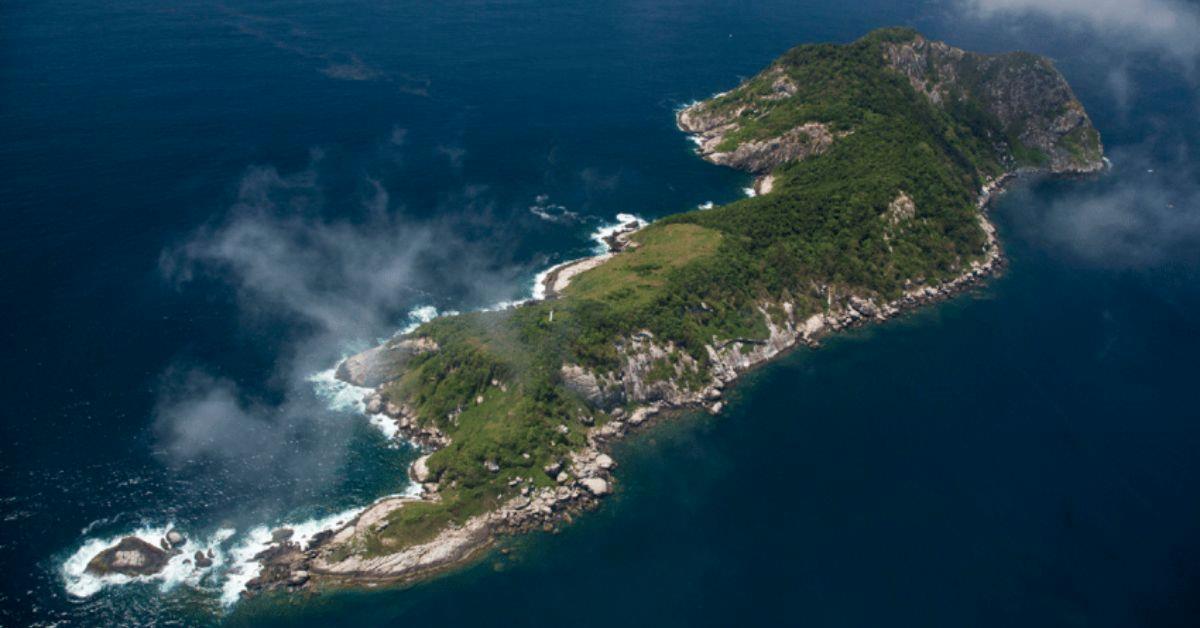
Source: ResearchGate
Ilha da Queimada Grande, more commonly referred to as Snake Island, is an island off the coast of Brazil in the Atlantic Ocean.
The island is home to one of the world’s deadliest species of snakes, the Golden Lancehead Viper. These snakes are responsible for the high fatality rate on the island, with an estimated population of one snake per square metre.
The island is small, measuring only 43 hectares (106 acres), and has a mild climate. The topography ranges from bare rock to rainforest.
The snakes became trapped on the island thousands of years ago, after the last ice age ended and rising sea levels cut the island off from the mainland.
The resulting evolutionary pressure allowed the snakes to adapt to their new surroundings, rapidly increasing in population and making the island dangerous for public visits.
The island is only accessible to the Brazilian Navy and selected researchers approved by the Chico Mendes Institute for Biodiversity Conservation, Brazil’s federal conservation agency.
2. Danakil Desert, East Africa
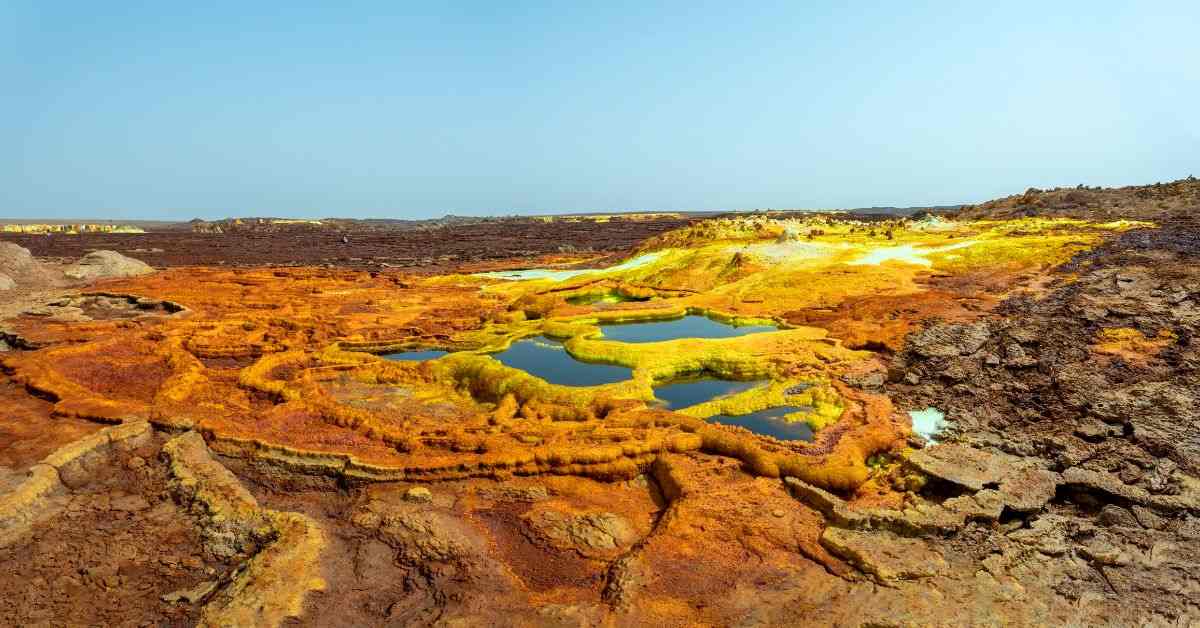
Situated in the Afar Triangle, i.e., between northeast Ethiopia, southern Eritrea, and northwestern Djibouti, the Danakil Desert, or Afar Desert, is one of the hottest and most inhospitable places on Earth.
The Afar Triangle covers 136,956 square kilometres (52,879 square miles) of dry land and is home to a small Afar community that mines salt.
The area is surrounded by volcanoes and toxic gases, making it a challenging environment for both humans and wildlife. The Afar Triangle is one of the hottest and driest regions in the world.
In the daytime, the temperature surpasses 50 °C (122 °F), and there is very little rainfall; less than 25 mm (1 in) of rainfall occurs each year.
3. Sahel, North Africa
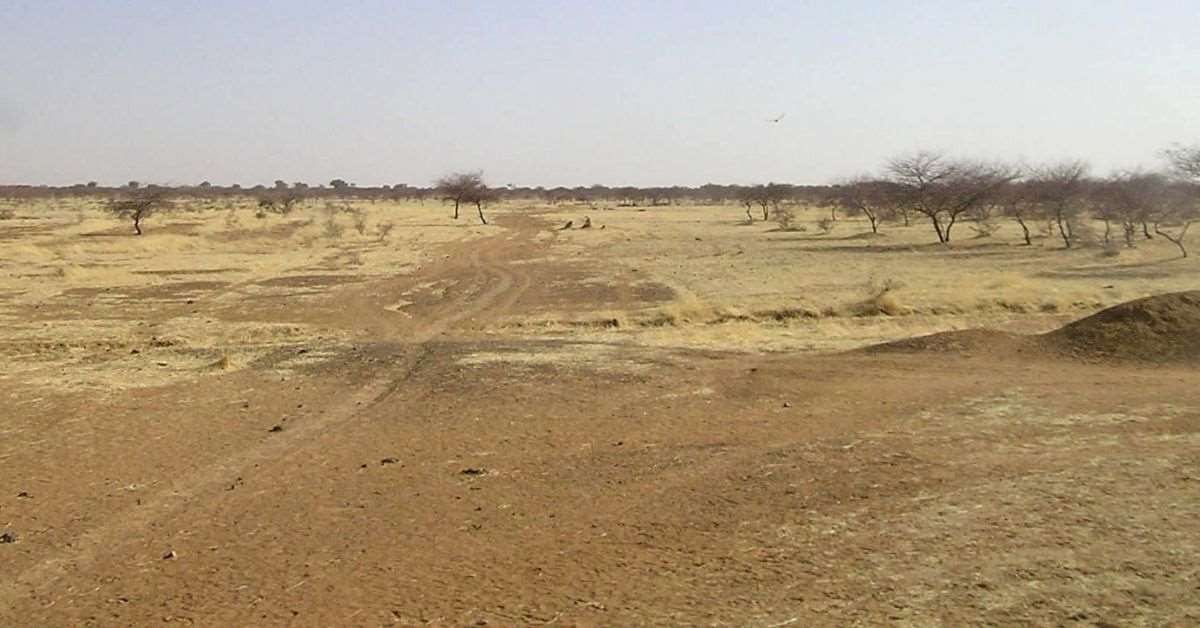
Source: We Are Water Foundation
The Sahel region, stretching across northern Africa, is characterised by its semi-arid climate and is particularly vulnerable to drought.
This area, which borders the Sahara Desert, has experienced severe droughts that have led to widespread famine and loss of life.
Between 1972 and 1984, over 100,000 people died as a result of drought-related issues in the Sahel. The region’s limited water resources are being increasingly exploited, exacerbating desertification and raising the risk of future droughts.
Additionally, the Sahel is prone to erratic rainfall patterns, which can lead to both droughts and flooding, further destabilising the local communities and their agricultural practices.
The combination of these factors makes the Sahel one of the most dangerous places on Earth due to its harsh natural environment and the socio-economic challenges it creates.
Also Read| 9 Most Dangerous Countries In The World Right Now: Check Complete List Here
4. Oymyakon, Russia
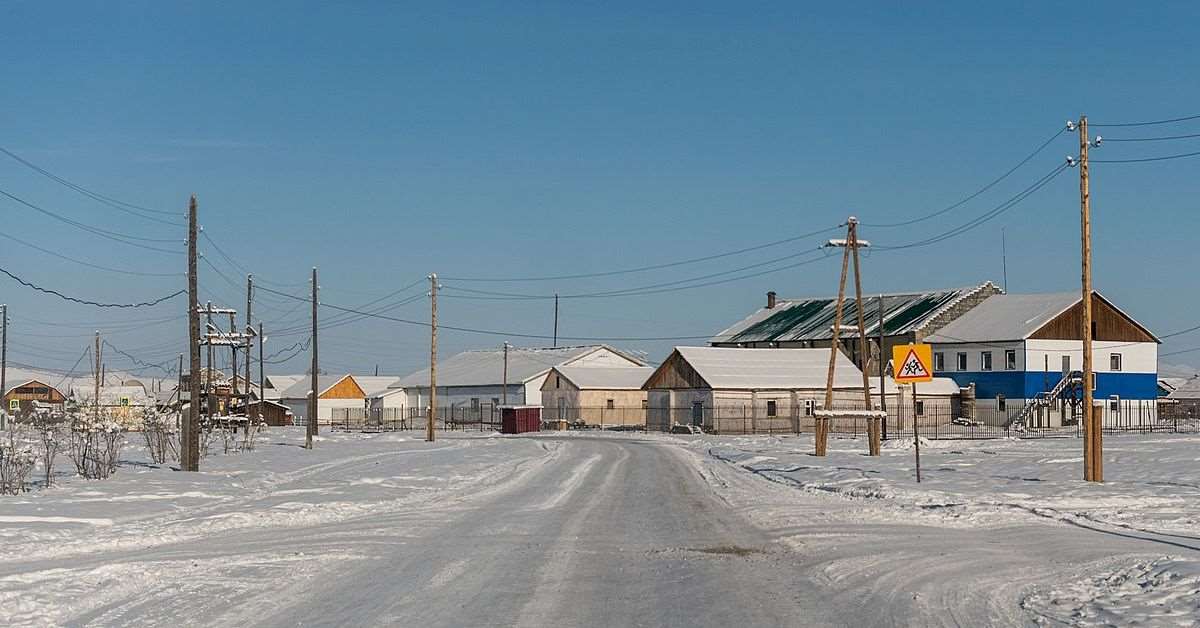
Source: Wikipedia
Oymyakon, known as one of the coldest inhabited places on Earth, experiences extreme subarctic temperatures that can plummet below -50 degrees Celsius (-58 degrees Fahrenheit) in winter.
This remote village in Siberia is not only famous for its frigid climate but also for the challenges it poses to survival. The harsh winters create a perilous environment where frostbite and hypothermia are constant threats.
The ground remains frozen for much of the year, making agriculture nearly impossible and forcing residents to rely on limited food supplies.
The extreme cold also impacts infrastructure, as pipes can freeze and roads become treacherous. The combination of these factors makes Oymyakon a uniquely dangerous place for human habitation.
5. Alagoas, Brazil
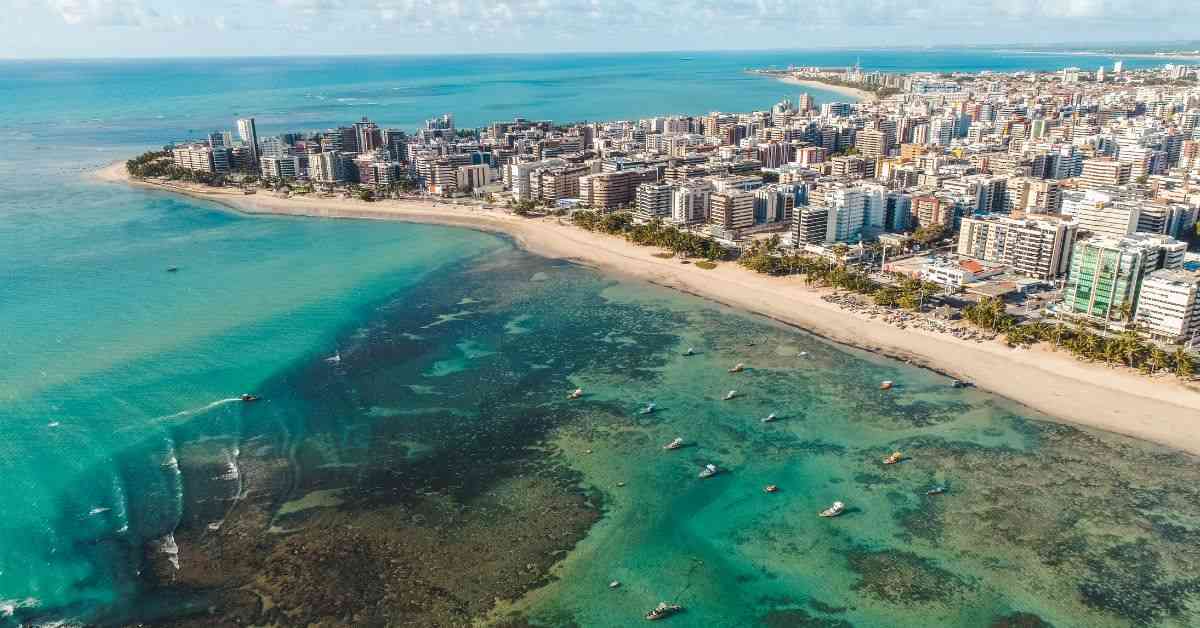
Alagoas, a state in northeastern Brazil, is prone to natural disasters, particularly flooding and landslides.
The region experiences heavy rainfall during the wet season, which can lead to flash floods that devastate communities and infrastructure.
In 2010, catastrophic floods and landslides resulted in over 200 deaths and displaced thousands.
The combination of steep terrain and deforestation exacerbates the risk of landslides, particularly in urban areas where construction has encroached on natural landscapes.
Additionally, the region’s vulnerability to climate change increases the likelihood of more intense and unpredictable weather patterns, making Alagoas a dangerous place to live during the rainy season.
6. Monrovia, Liberia
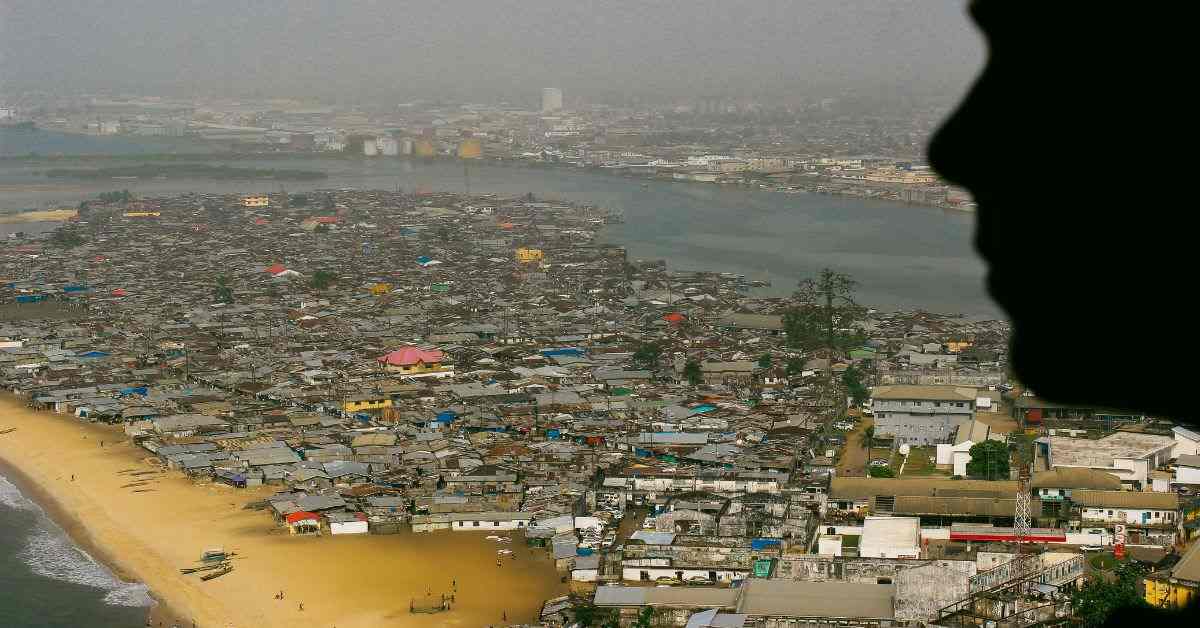
Monrovia, the capital of Liberia, is situated in a region susceptible to flooding and coastal erosion.
The city’s location along the Atlantic coast makes it vulnerable to storm surges and heavy rainfall, particularly during the rainy season.
In recent years, flooding has caused significant damage to homes and infrastructure, leading to displacement and increased health risks from waterborne diseases.
Furthermore, the combination of poor urban planning and deforestation in the surrounding areas exacerbates the flooding problem.
Monrovia’s challenges are compounded by its limited resources and infrastructure, making it a precarious place for its residents during extreme weather events.
Related Articles| Top 10 Places to Visit in the World
7. Mount Sinabung, Indonesia
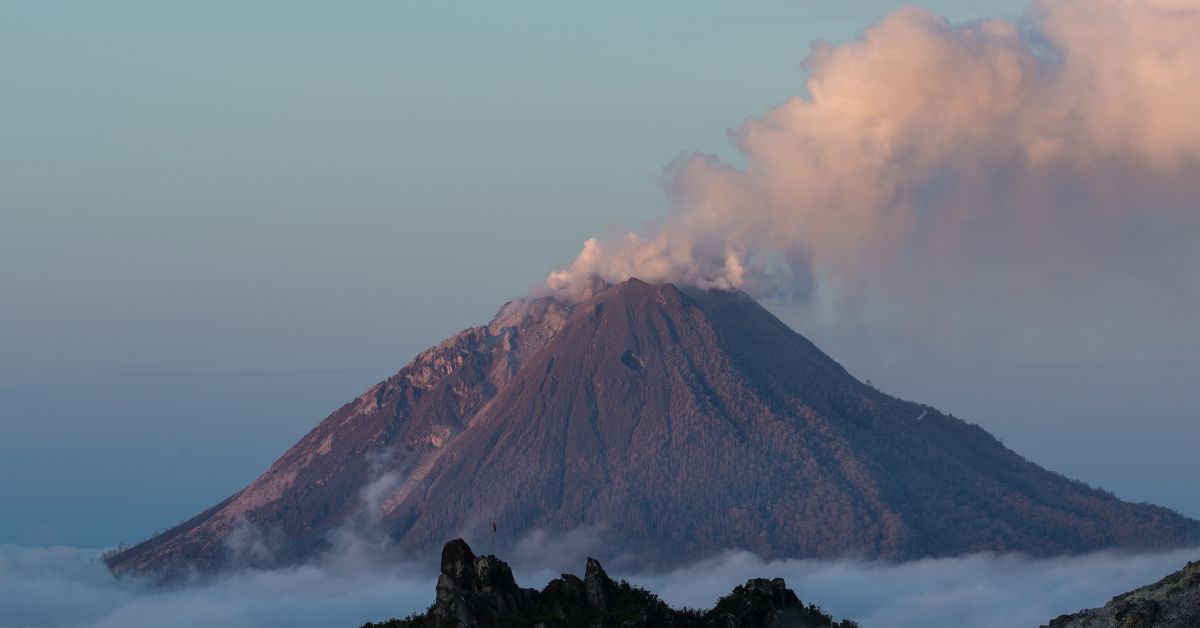
Mount Sinabung, an active volcano in Indonesia, poses a significant threat to nearby communities due to its frequent eruptions.
Since reawakening in 2010 after a 400-year dormancy, the volcano has erupted numerous times, spewing ash and pyroclastic flows that have devastated surrounding areas.
The volcanic activity has led to the evacuation of thousands of residents and has destroyed crops and infrastructure. The risk of future eruptions remains high, as the volcano is closely monitored for signs of increased activity.
The combination of its unpredictable nature and the dense population surrounding Mount Sinabung makes it one of the most dangerous places in Indonesia.
8. Skeleton Coast, Namibia
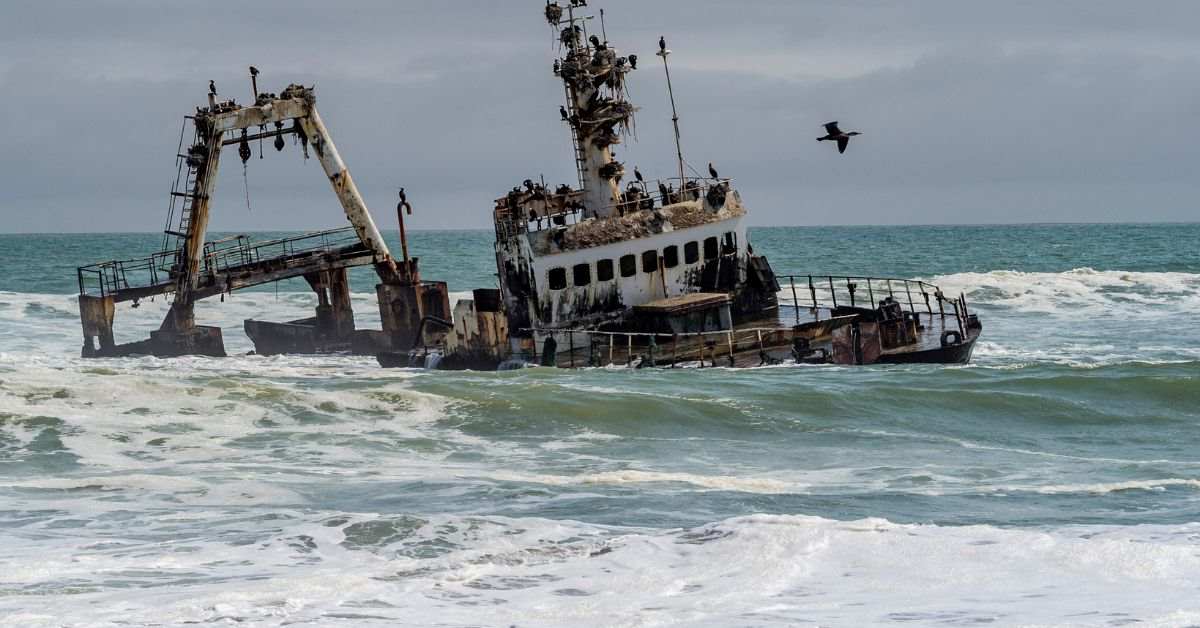
The Skeleton Coast in Namibia is notorious for its harsh environment and treacherous conditions.
This desolate stretch of coastline is characterised by fog, strong currents, and shifting sands, which have led to numerous shipwrecks over the years.
The region is also home to dangerous wildlife, including lions and hyenas, which can pose threats to those who venture too close.
The harsh climate, with extreme temperatures and limited freshwater sources, makes survival difficult. The combination of natural hazards and the remoteness of the Skeleton Coast contributes to its reputation as one of the most dangerous places on Earth.
9. Lake Natron, Tanzania
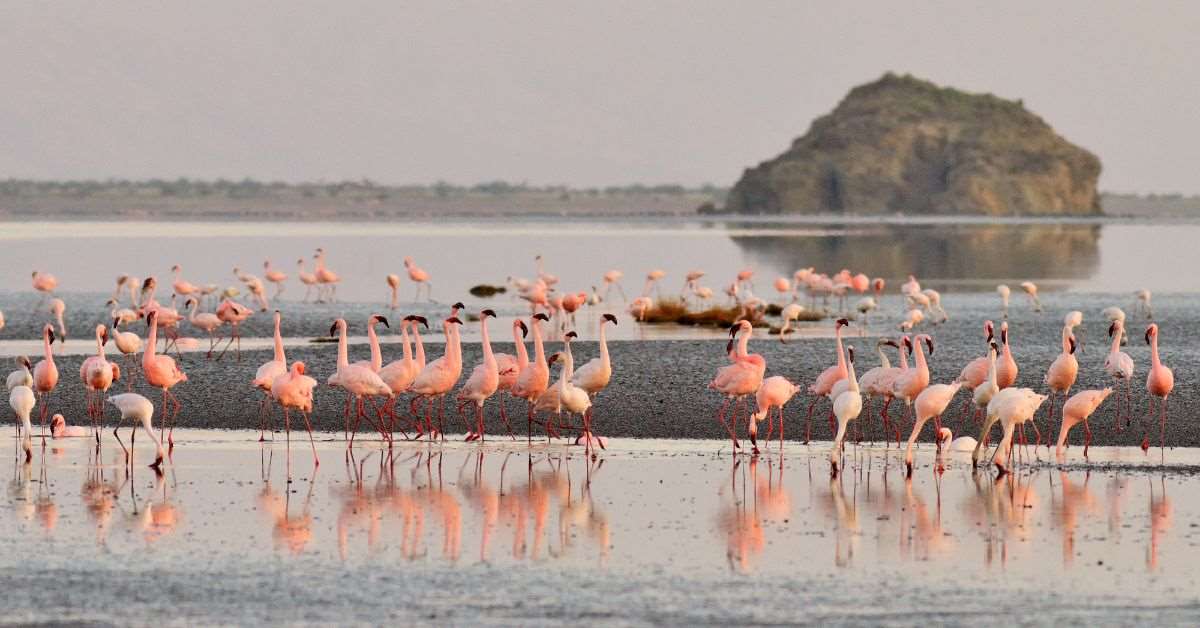
Lake Natron, located in northern Tanzania, is infamous for its extreme alkalinity and high temperatures, making it a hostile environment for most life forms.
The lake’s pH levels can reach as high as 12, primarily due to the high concentrations of sodium carbonate and other minerals. This caustic water can burn the skin and eyes of animals that come into contact with it.
Additionally, the lake’s scorching temperatures can reach up to 60 degrees Celsius (140 degrees Fahrenheit).
Despite its dangerous conditions, Lake Natron is known for attracting flamingos, which have adapted to thrive in this harsh environment. The combination of extreme alkalinity and heat makes Lake Natron one of the most perilous natural sites on Earth.
10. Dallol, Ethopia
Source: Wikipedia
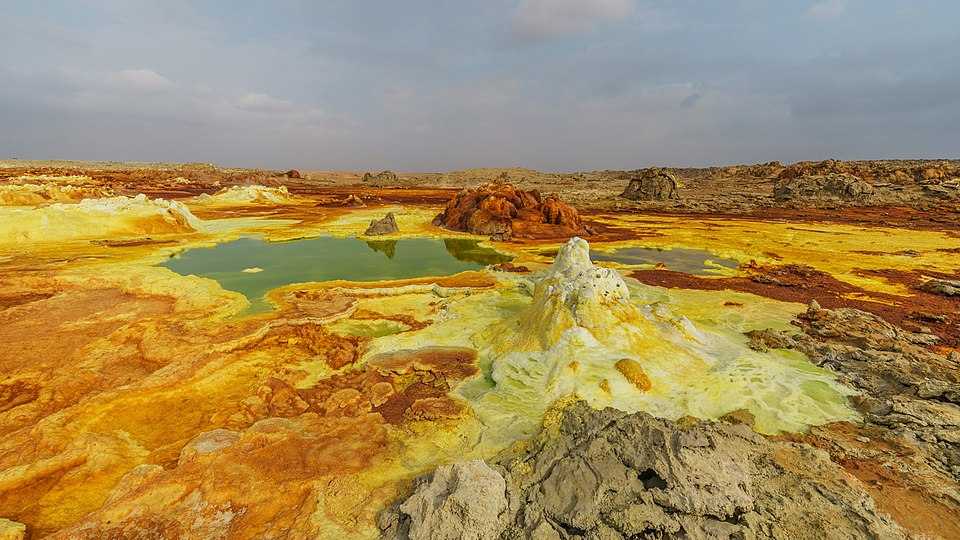
Dallol is one of the hottest places on Earth, with temperatures often exceeding 50°C (122°F). Its toxic gases, acidic ponds, and bubbling sulfur springs make it uninhabitable.
The brittle crust hides deadly acid pools, and “fire winds” or scorching sandstorms add to the danger. Even microbes cannot survive in its extreme heat and salinity.
The area is also geologically unstable, with frequent earthquakes and volcanic activity. Visitors must be extremely cautious due to the lack of infrastructure and medical facilities nearby. The harsh conditions make it difficult for humans to explore without specialised equipment.
11. North Sentinel Island, India
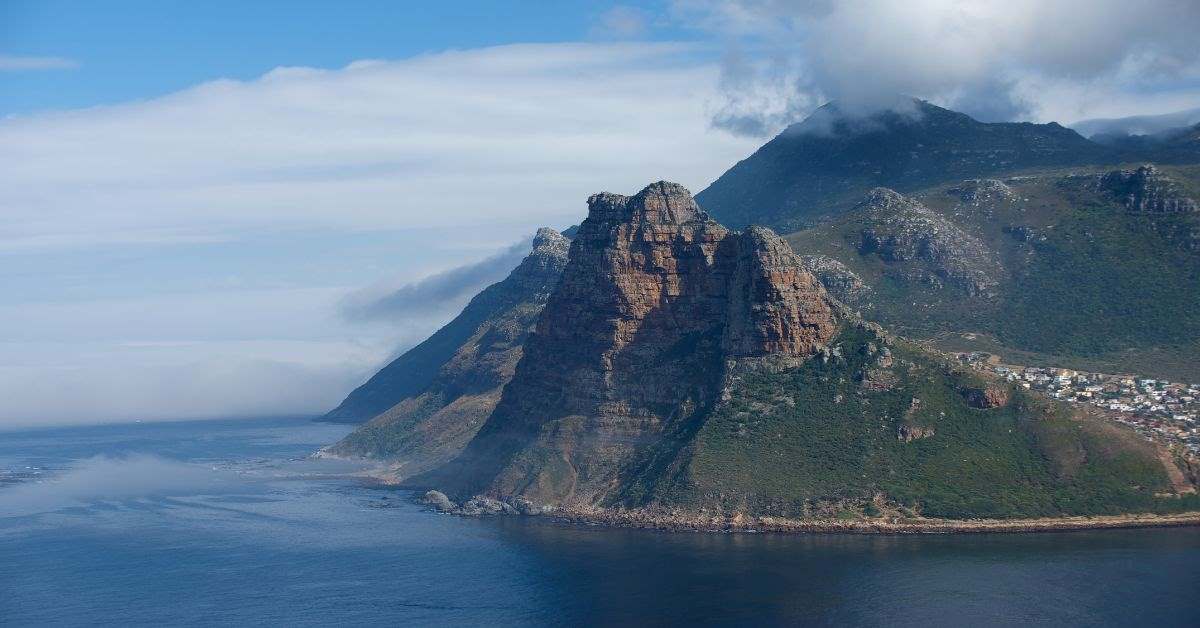
North Sentinel Island, part of the Andaman and Nicobar Islands in India, is known for its isolated indigenous population, the Sentinelese, who have resisted contact with outsiders.
The island is surrounded by treacherous waters and is often subject to rough seas, making access difficult and dangerous.
The Sentinelese are known to be hostile towards intruders, which adds to the danger of attempting to visit the island.
The natural environment itself is also hazardous, with dense forests and limited resources for survival. The combination of isolation, hostility, and challenging geography makes North Sentinel Island one of the most perilous places on Earth for outsiders.
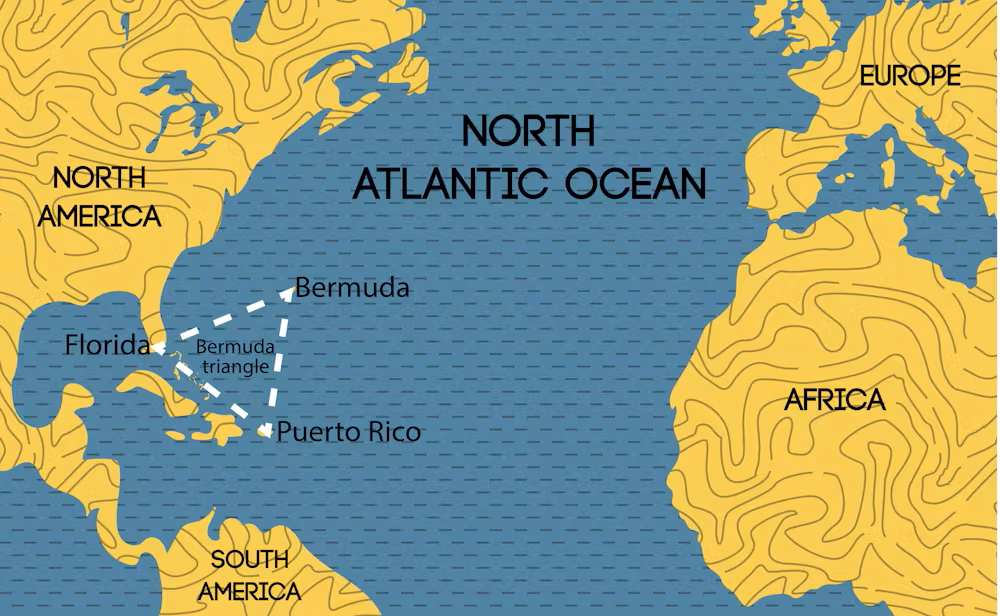
12. Bermuda Triangle, North Atlantic
Source: The Conversation
This infamous area is known for mysterious disappearances of ships and planes. Sudden storms, rogue waves, and magnetic anomalies cause navigation errors. Deep ocean trenches and methane gas eruptions further increase risks.
Despite scientific explanations like human error and weather changes, its eerie reputation persists. The combination of strong currents and unpredictable weather patterns makes navigation challenging.
Additionally, the area’s busy shipping lanes increase the likelihood of accidents. While many incidents have been exaggerated over time, the Bermuda Triangle remains a place of fascination and fear for many.
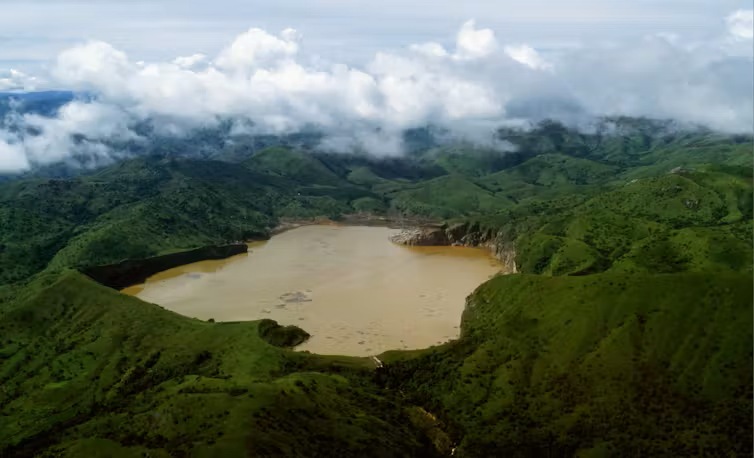
13. Lake Nyos, Cameroon
Source: BU Research Blog
Lake Nyos is a “killer lake.” In 1986, it released a massive cloud of carbon dioxide, suffocating over 1,700 people and animals nearby. This rare natural event was caused by volcanic activity beneath the lake that triggered a deadly gas eruption.
The lake’s unique geology traps gases, which can suddenly release, posing a constant threat to nearby communities. Efforts have been made to degas the lake to prevent future disasters, but the risk remains.
The surrounding area is also prone to landslides and earthquakes, adding to the danger. Local residents live with the constant fear of another catastrophic event.
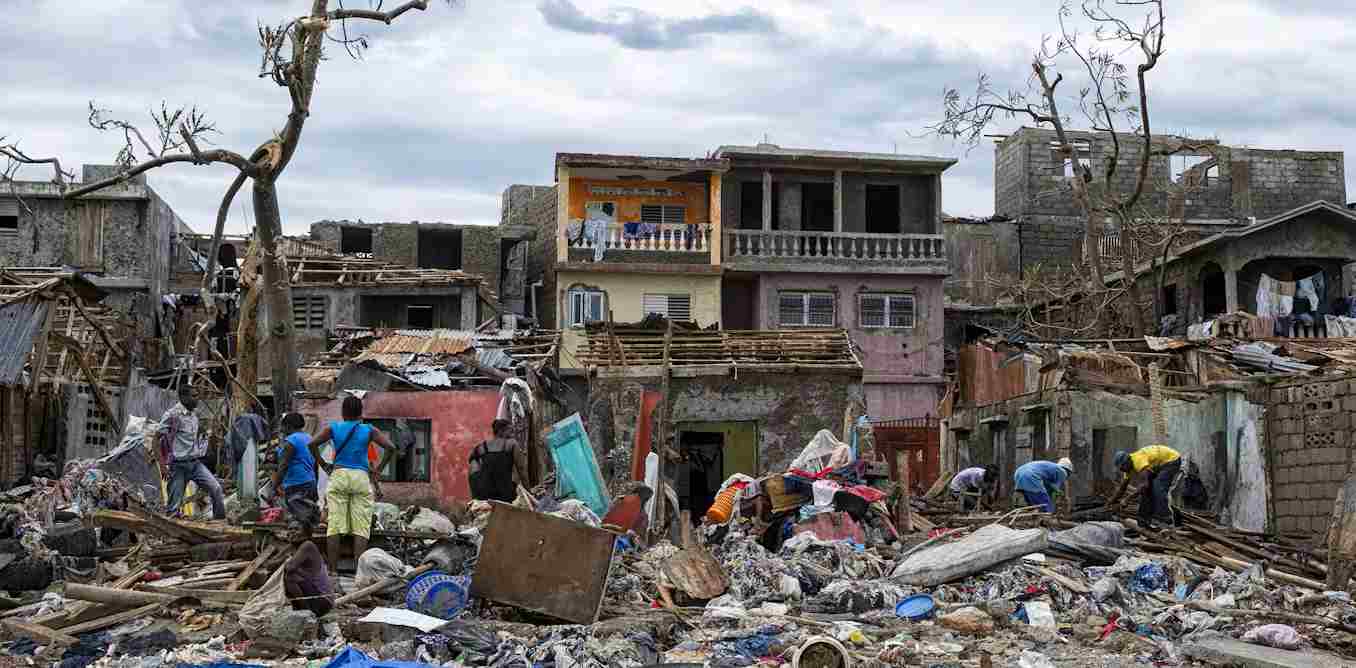
14. Haiti
Source: The Conversation
Haiti faces frequent natural disasters like earthquakes and hurricanes due to its location on tectonic fault lines. Poor infrastructure worsens the impact, making it highly vulnerable to catastrophic events.
The 2010 earthquake devastated the country, highlighting its vulnerability. Haiti’s deforestation and lack of disaster preparedness exacerbate the effects of natural disasters.
Political instability and economic challenges further complicate recovery efforts. The combination of natural hazards and human factors makes Haiti one of the most challenging places to live in terms of safety and resilience. International aid often helps, but long-term solutions are needed to improve resilience.
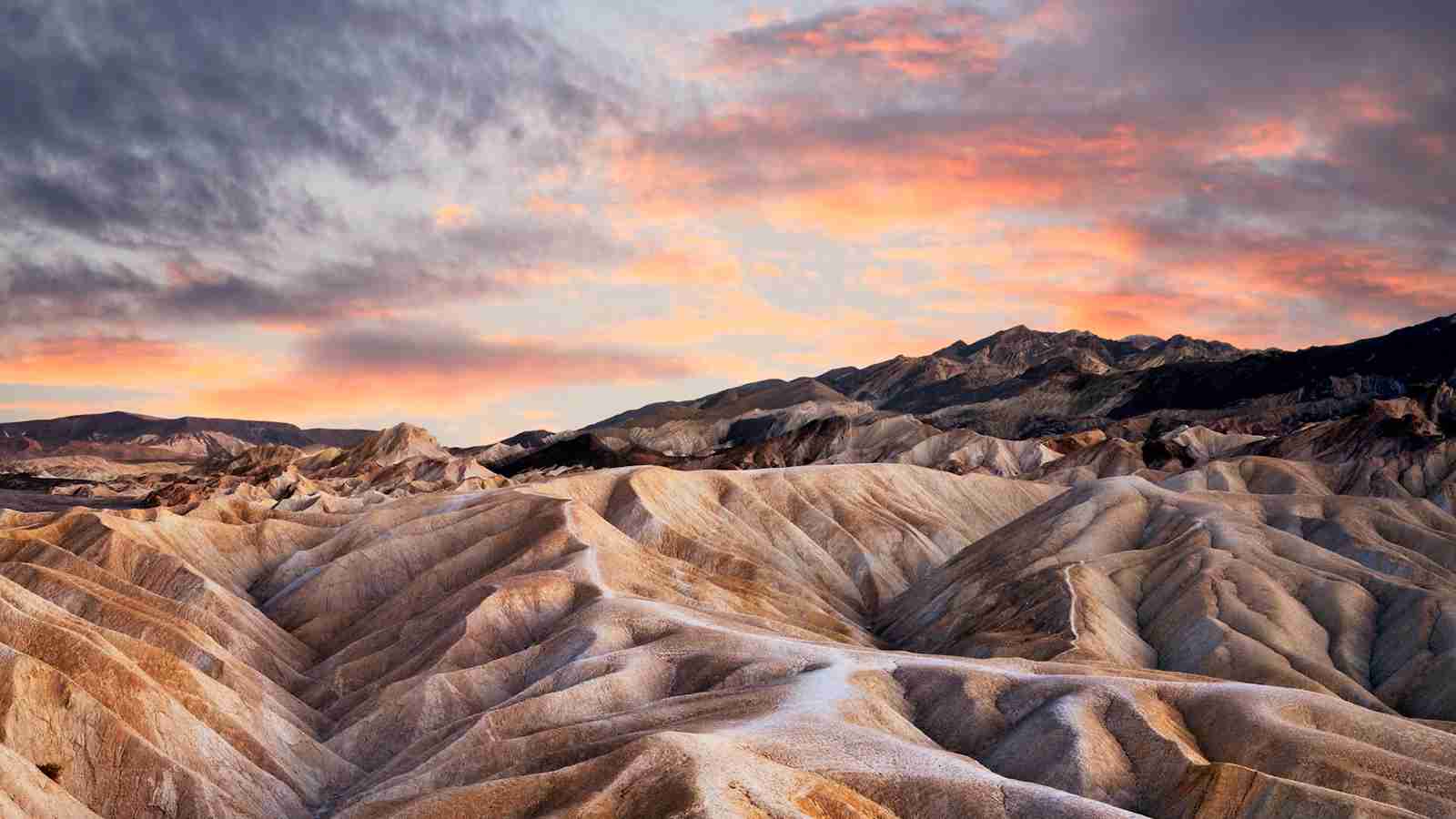
15. Death Valley, California
Source: National Park Foundation
Death Valley is one of the hottest places on Earth. Temperatures can reach 56°C (134°F). Its arid conditions and lack of water make survival extremely challenging.
Visitors must be well-prepared with plenty of water and protective gear to avoid dehydration and heatstroke. The park’s vast, remote areas mean that help can be far away if emergencies occur.