A “safe” core temperature of around 37 degrees Celsius must be maintained, after which bodies would generate sweat as a cooling mechanism, he added.
But outside temperatures in summer months could reach levels that made it harder for the heat to dissipate from our bodies quickly, Louie said. Core temperatures increased under such conditions, which could result in health problems such as heatstroke.
Edward Lam Wing-wo, a family doctor, said the elderly, children and those with cardiovascular issues were most at risk of heatstroke.
But even young and fit people could develop heatstroke, Lam warned.
“If they try to challenge their limits, they may miss the early signs of heatstroke such as nausea and headaches,” he said.
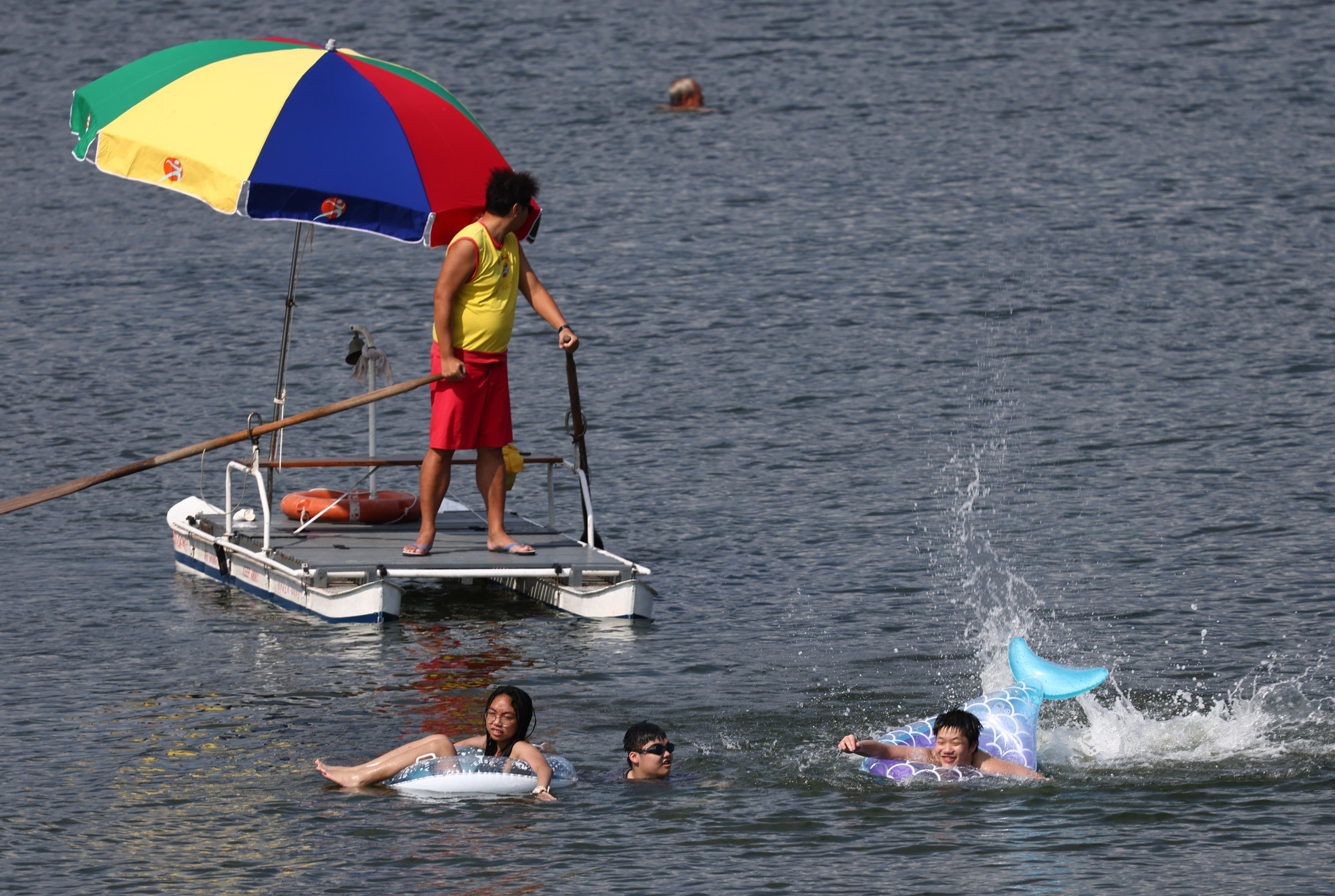
2. Should people avoid exercising outdoors?
Lam said indoor activities were “safer” in the summer, as gyms and other fitness facilities often provided air conditioning and rest areas.
“The temperature indoors will be lower so these are better environments for exercise,” he said.
But people should check whether the facilities had proper ventilation, humidity control and air conditioning.
Lam said it was still appropriate to exercise outside in the summer months as long as necessary precautions were taken.
Activities should be scheduled either before 10am or after 4pm to avoid the midday peak in temperatures.
He also recommended wearing light, breathable clothing, such as those with quick-dry fibres.
Residents should still pay close attention to weather forecasts and humidity levels. Even at night, high humidity levels could increase the risk of heat-related health problems when exercising, Lam said.
Louie recommended lowering the intensity of outdoor workouts during summer.
He said people could start with about 20 to 30 minutes of light-intensity exercise to allow their bodies time to adjust to the heat, and then see how they felt.
3. How often should I drink water and rest?
Lam said that maintaining proper hydration while exercising was key to staying cool and staving off heat-related illnesses.
He said the average person should be drinking anywhere between 500ml and one litre of water for every half-hour of exercise.
Those engaged in high-intensity exercise over longer periods might also need to consume drinks that could help replenish electrolytes, but Lam said those doing more moderate workouts could simply stick to water.
In terms of rest, Lam recommended people take a short break every 15 minutes. If they were outside, they should find a shaded or cooler area to take rest, he said.
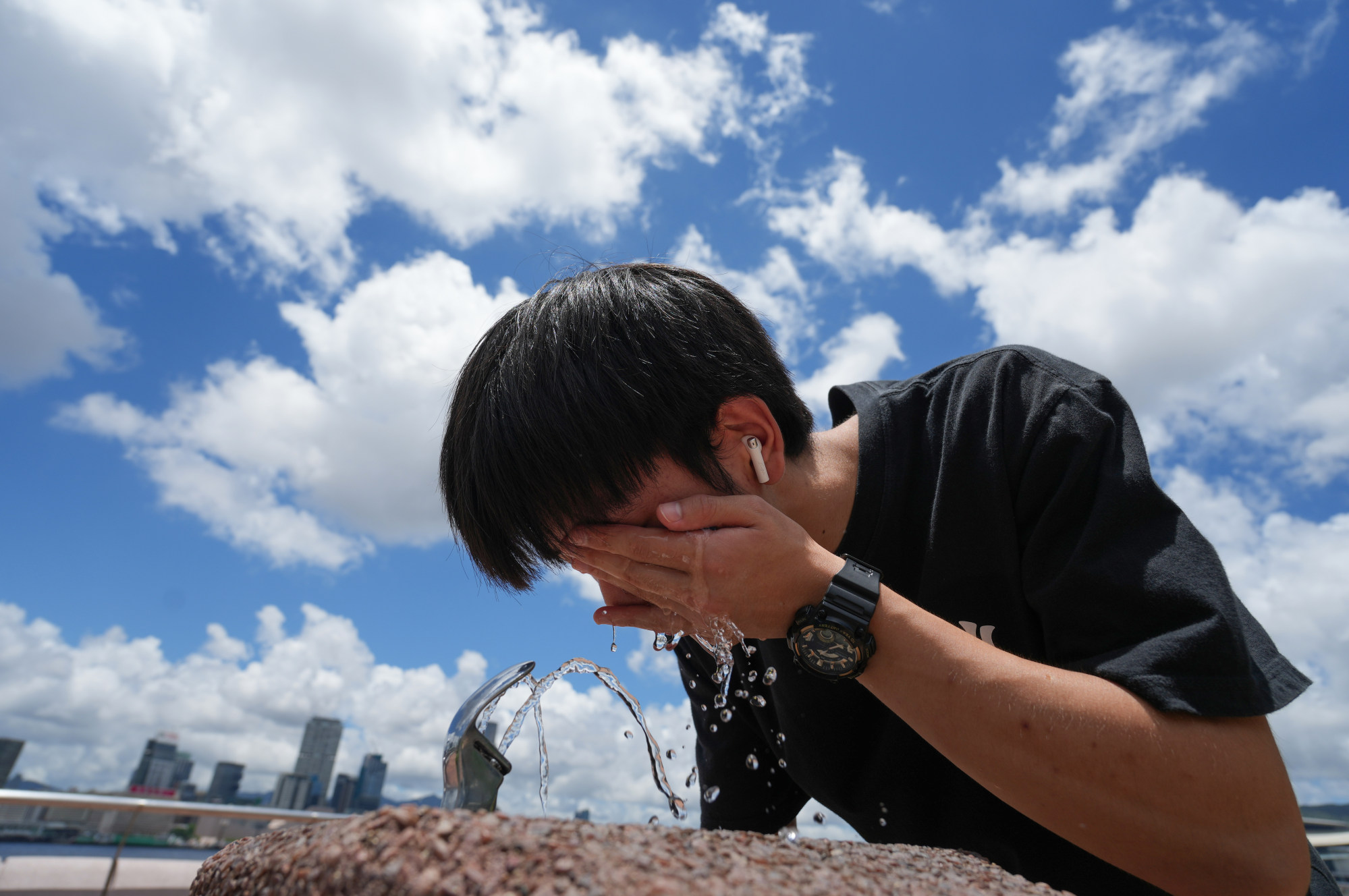
4. Is it safe to go hiking during the summer?
Hiking is a favourite activity of many Hongkongers, but can also prove deadly in extreme conditions.
Veteran mountaineer Chung Kin-man said hikers should choose routes carefully to ensure there was enough shade, rest areas and access to drinking water.
He said paths that took people up mountains or to higher elevations added a greater degree of risk, as they usually offered no tree cover and the weather could be as much as 3 degrees higher hotter than in the urban centres.
Hikers were advised to either set out early in the morning, or later in the evening to avoid the hottest parts of the day.
Conway Leung Nim-ho, another veteran mountaineer, said some people carried too much water with them, which could heighten the risk of heat exhaustion.
“You see people taking three or four litres of water with them,” he said. “Its ridiculous, it’s too heavy.”
He said a better option was to hydrate before the hike and take about two litres of water, depending on the distance.