After the economy righted itself in the wake of the pandemic and things seemed to be looking up in terms of unemployment rates and consumer spending, the U.S. entered a period of high inflation from which it hasn’t quite recovered.
As a result, some parts of the country may seem to be doing really well, while others are struggling. Though record high inflation has begun to level out some, an overall increase in cost of living has left a trace. Some states have already rebounded nearly to pre-pandemic levels, while others struggle to return to a state of balance.
To determine which economies are thriving and which are failing, GOBankingRates took a look at a variety of economic factors, from year-over-year GDP growth rate and unemployment rates to wage changes and the percentage of a state’s population that is living in poverty as of March 2024. States — including Washington D.C., which is not a state, but a sizable economy — were divided into the top 15 and the bottom 15 based on their economy health. Read on to find out which states are struggling and which ones are thriving.
Also see how even in an improving economy, Americans are still struggling.
Be Aware: 9 Strategies Americans Are Using To Minimize the Taxes They Pay on Retirement Savings
Trending Now: 4 Genius Things All Wealthy People Do With Their Money

States Whose Economies Are Failing
These states are still struggling with economic challenges. Although overall unemployment trends are improving, residents of these states may still have trouble finding jobs and contributing to the state’s GDP.
Read More: You Can Get These 3 Debts Canceled Forever
Explore Next: 6 Unusual Ways To Make Extra Money (That Actually Work)
Wealthy people know the best money secrets. Learn how to copy them.

Louisiana
-
March 2024 unemployment rate: 4.4%
-
GDP growth Q3 2023 to Q4 2023: 3.2%
-
Average weekly wages Q1 2023: $1,107
-
Percent of population below poverty line 2022: 18.7%
Be Aware: This Is the One Type of Debt That ‘Terrifies’ Dave Ramsey

Mississippi
-
March 2024 unemployment rate: 3%
-
GDP growth Q3 2023 to Q4 2023: 4.2%
-
Average weekly wages Q1 2023: $927
-
Percent of population below poverty line 2022: 19.2%

Illinois
-
March 2024 unemployment rate: 4.8%
-
GDP growth Q3 2023 to Q4 2023: 3.6%
-
Average weekly wages Q1 2023: $1,346
-
Percent of population below poverty line 2022: 11.8%

Arkansas
-
March 2024 unemployment rate: 3.5%
-
GDP growth Q3 2023 to Q4 2023: 3.1%
-
Average weekly wages Q1 2023: $1,036
-
Percent of population below poverty line 2022: 16.2%

Kentucky
-
March 2024 unemployment rate: 4.5%
-
GDP growth Q3 2023 to Q4 2023: 4.1%
-
Average weekly wages Q1 2023: $1,092
-
Percent of population below poverty line 2022: 16.1%
Check Out: Top 7 Countries with Zero Income Tax

Michigan
-
March 2024 unemployment rate: 3.9%
-
GDP growth Q3 2023 to Q4 2023: 3.8%
-
Average weekly wages Q1 2023: $1,228
-
Percent of population below poverty line 2022: 13.1%

West Virginia
-
March 2024 unemployment rate: 4.3%
-
GDP growth Q3 2023 to Q4 2023: 5.9%
-
Average weekly wages Q1 2023: $1,044
-
Percent of population below poverty line 2022: 16.8%

Ohio
-
March 2024 unemployment rate: 3.8%
-
GDP growth Q3 2023 to Q4 2023: 4.3%
-
Average weekly wages Q1 2023: $1,185
-
Percent of population below poverty line 2022: 13.3%

Oregon
-
March 2024 unemployment rate: 4.2%
-
GDP growth Q3 2023 to Q4 2023: 4.3%
-
Average weekly wages Q1 2023: $1,301
-
Percent of population below poverty line 2022: 11.9%
Read Next: IRS Increases Gift and Estate Tax Exempt Limits — Here’s How Much You Can Give Without Paying

Oklahoma
-
March 2024 unemployment rate: 3.5%
-
GDP growth Q3 2023 to Q4 2023: 4.1%
-
Average weekly wages Q1 2023: $1,052
-
Percent of population below poverty line 2022: 15.2%

Tennessee
-
March 2024 unemployment rate: 3.2%
-
GDP growth Q3 2023 to Q4 2023: 4.8%
-
Average weekly wages Q1 2023: $1,199
-
Percent of population below poverty line 2022: 14

New Mexico
-
March 2024 unemployment rate: 3.8%
-
GDP growth Q3 2023 to Q4 2023: 6.1%
-
Average weekly wages Q1 2023: $1,096
-
Percent of population below poverty line 2022: 18.3%

Iowa
-
March 2024 unemployment rate: 2.9%
-
GDP growth Q3 2023 to Q4 2023: 1.1%
-
Average weekly wages Q1 2023: $1,112
-
Percent of population below poverty line 2022: 11.1%
Learn More: Trump-Era Tax Cuts Are Expiring — How Changes Will Impact Retirees

Indiana
-
March 2024 unemployment rate: 3.5%
-
GDP growth Q4 2022 to Q1 2023: 5.0%
-
Average weekly wages Q1 2023: $1,115
-
Percent of population below poverty line 2021: 12.3%

California
-
March 2024 unemployment rate: 5.3%
-
GDP growth Q3 2023 to Q4 2023: 4.8%
-
Average weekly wages Q1 2023: $1,613
-
Percent of population below poverty line 2022: 12.1%

States Whose Economies Are Thriving
If you live in one of these states, you’ve probably noticed the signs of economic improvement. Unemployment and GDP levels are recovering nicely in these areas. Here’s a look at the 15 states that are seeing the strongest signs of economic stability.

Utah
-
March 2024 unemployment rate: 2.8%
-
GDP growth Q3 2023 to Q4 2023: 6.7%
-
Average weekly wages Q1 2023: $1,195
-
Percent of population below poverty line 2022: 8.5%
For You: The 7 Worst Things You Can Do If You Owe the IRS

Idaho
-
March 2024 unemployment rate: 3.3%
-
GDP growth Q3 2023 to Q4 2023: 7.7%
-
Average weekly wages Q1 2023: $1,068
-
Percent of population below poverty line 2022: 11%

District of Columbia
-
March 2024 unemployment rate: 5.2%
-
GDP growth Q3 2023 to Q4 2023: 3.8%
-
Average weekly wages Q1 2023: $2,159
-
Percent of population below poverty line 2022: 15.1%
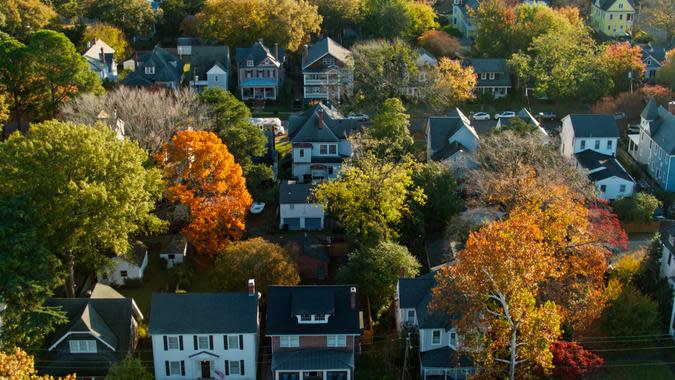
Virginia
-
March 2024 unemployment rate: 2.9%
-
GDP growth Q3 2023 to Q4 2023: 5.5%
-
Average weekly wages Q1 2023: $1,383
-
Percent of population below poverty line 2022: 10%

Colorado
-
March 2024 unemployment rate: 3.7%
-
GDP growth Q3 2023 to Q4 2023: 5.1%
-
Average weekly wages Q1 2023: $1,431
-
Percent of population below poverty line 2022: 9.6%
Be Aware: Billionaires vs. the Middle Class: Who Pays More in Taxes?

Washington
-
March 2024 unemployment rate: 4.8%
-
GDP growth Q3 2023 to Q4 2023: 5.9%
-
Average weekly wages Q1 2023: $1,682
-
Percent of population below poverty line 2022: 9.9%
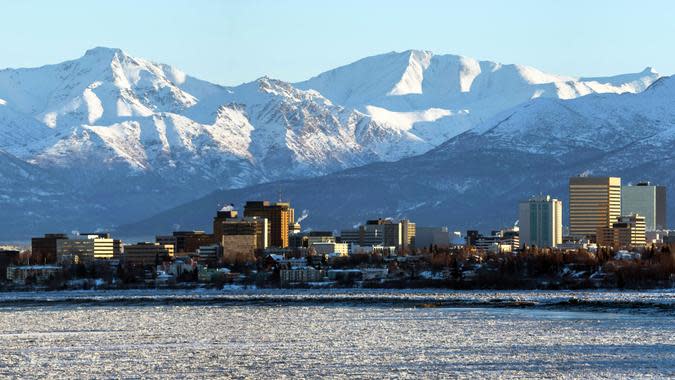
Alaska
-
March 2024 unemployment rate: 4.6%
-
GDP growth Q3 2023 to Q4 2023: 6.3%
-
Average weekly wages Q1 2023: $1,328
-
Percent of population below poverty line 2022: 10.5%

Arizona
-
March 2024 unemployment rate: 3.8%
-
GDP growth Q3 2023 to Q4 2023: 6.8%
-
Average weekly wages Q1 2023: $1,248
-
Percent of population below poverty line 2022: 13.1%

New Hampshire
-
March 2024 unemployment rate: 2.6%
-
GDP growth Q3 2023 to Q4 2023: 5.6%
-
Average weekly wages Q1 2023: $1,350
-
Percent of population below poverty line 2022: 7.3%
Trending Now: 3 Places To Travel That Are Like Hawaii but Way Cheaper

Wyoming
-
March 2024 unemployment rate: 2.8%
-
GDP growth Q3 2023 to Q4 2023: 3.7%
-
Average weekly wages Q1 2023: $1,111
-
Percent of population below poverty line 2022: 10.7%

Massachusetts
-
March 2024 unemployment rate: 2.9%
-
GDP growth Q3 2023 to Q4 2023: 5.0%
-
Average weekly wages Q1 2023: $1,643
-
Percent of population below poverty line 2022: 9.9%
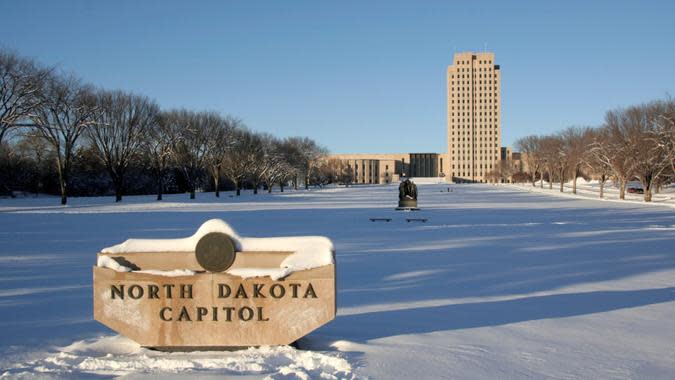
North Dakota
-
March 2024 unemployment rate: 2.0%
-
GDP growth Q3 2023 to Q4 2023: 2.0%
-
Average weekly wages Q1 2023: $1,205
-
Percent of population below poverty line 2022: 10.8%
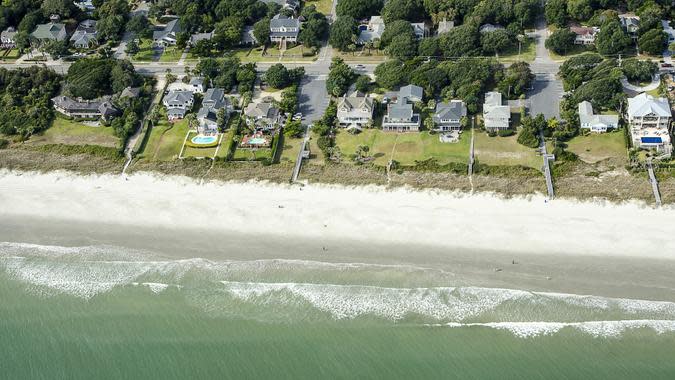
South Carolina
-
March 2024 unemployment rate: 3.1%
-
GDP growth Q3 2023 to Q4 2023: 6.8%
-
Average weekly wages Q1 2023: $1,086
-
Percent of population below poverty line 2022: 14.4%
Explore More: Barbara Corcoran: Here’s Why I Never Fly First Class

Maine
-
March 2024 unemployment rate: 3.3%
-
GDP growth Q3 2023 to Q4 2023: 5.9%
-
Average weekly wages Q1 2023: $1,129
-
Percent of population below poverty line 2022: 10.9%

Florida
-
March 2024 unemployment rate: 3.2%
-
GDP growth Q3 2023 to Q4 2023: 7.0%
-
Average weekly wages Q1 2023: $1,218
-
Percent of population below poverty line 2022: 12.9%
John Csiszar contributed to the reporting of this article.
Methodology: GOBankingRates analyzed the following seven factors for each state and the District of Columbia to gauge the health of their economies: (1) the March 2024 unemployment rate according to the Bureau of Labor Statistics’ (BLS) Local Area Unemployment Statistics data; (2) the year-over-year change in non-farm payroll jobs as of March 2024 according to the BLS’s State and Metro Area Employment, Hours and Earnings data; (3) the Q4 2023 GDP per capita in current dollars, calculated by using population data from the Census Bureau’s American Community Survey (ACS) 2022 estimates and the Bureau of Economic Analysis’s (BEA) most recent GDP by State release; (4) the percent by which GDP grew between the third quarter of 2023 and the fourth quarter of 2023, also according to the BEA’s GDP release; (5) the average weekly wage in Q3 2023 according to the BLS’s Economic News Release; (6) the percent change in the average weekly wage between Q3 2022 and Q3 2023, also according to the BLS Economic News Release; and (7) the percent of the population that was living below the poverty line in 2022, according to the Census Bureau’s 2022 ACS 5-year data. States were scored on all factors and ranked against each other based on their combined total score. The states with the lowest combined scores were identified as states with thriving economies and the states with the highest combined scores were identified as states with failing economies. All data was collected on and up to date as of June 17, 2024.
More From GOBankingRates
This article originally appeared on GOBankingRates.com: States Whose Economies Are Failing vs. States Whose Economies Are Thriving