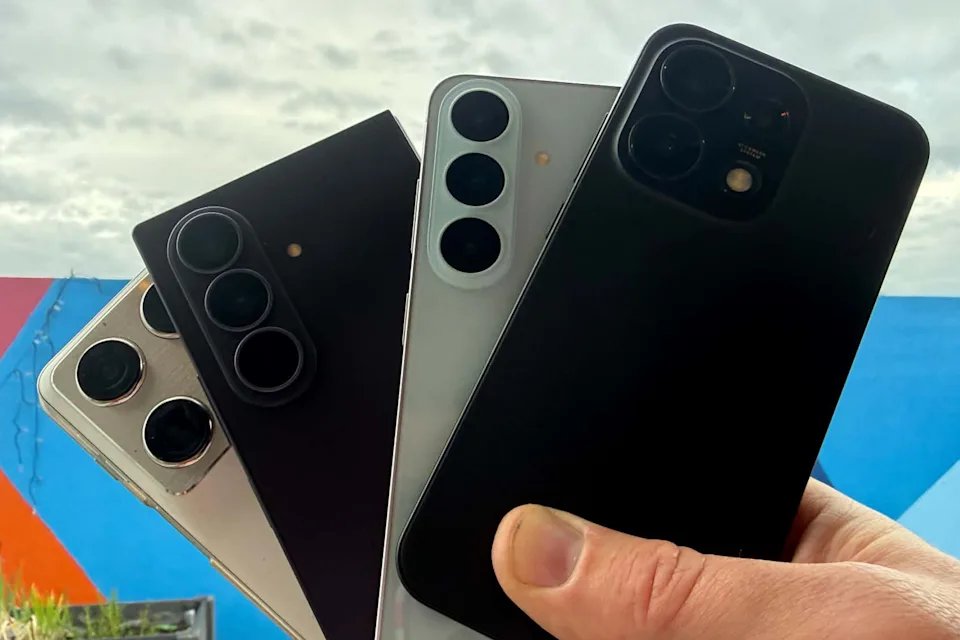
The world of smartphones is much larger than just Apple and Samsung. In fact, it goes far beyond even Google and Motorola, which tend to endcap the display tables at the carrier store or Best Buy. Truth is, there isn’t as much competition among smartphone companies as there used to be, especially when LG was still making smartphones alongside names like Essential, Razer, or HTC (at least in the United States). But the competition is still very much alive and kicking in the country that manufactures pretty much all of our phones: China.
Chinese tech brands operate on a completely different ethos than their Western counterparts. They eschew subtlety and revel in promoting every last detail about their wares, from the partnerships that have garnered them certain top-end components to the smoothness of the transition animations in their firmware. All that talk gets backed up by a wide variety of excellent phones, from affordable gaming powerhouses to premium foldables and pocketable telephoto cameras. In short, there is no one brand that you can point to and call it the absolute best — they’re all competing against each other at all points of the price spectrum.
If you feel like you’ve been missing out on a whole other world of phones, don’t worry. We’ll go through several of the top names in China and explain their specialties in the mobile space.
Huawei
Huawei was founded in 1987 as a telecom components manufacturer. In the decades that followed, the company became one of the largest global equipment vendors for cellular networks. It expanded to the consumer end of the business in 2003 with its first phones, gradually expanding sales to other countries, including the United States through the 2010s. The tech giant’s global expansion plans were dealt a major blow late in that decade with some countries restricting the company’s market access over concerns about the Chinese government’s generous subsidies to the company and suspicions it siphoned users’ data for spying purposes.
The major consequences of these injunctions and bans are that Huawei has had to develop its own mobile hardware and software platforms without any relationships with Western IP holders like Qualcomm and Google. Where Huawei phones used to run Android and Windows, they now use the company’s new HarmonyOS instead. Phones and computers alike were equipped not with Intel or Snapdragon processors, but with Huawei’s own Kirin chips. It was a rough and protracted transition period, but the company has been able to maintain strong customer loyalty within China — in fact, Huawei topped its domestic competitors as well as Apple in mobile handset shipments for the first half of 2026. The company, which places a leading priority on build quality above most aspects, has gone all-in on foldable phones with a series of clamshells and booklets and multiple iterations of the relatively untested tri-fold form factor with the Huawei Mate XT line.
Honor
As you’ll see with later entries, Chinese tech conglomerates often like to diversify their brand portfolio to serve different audience segments. Some names cater to gamers, but many are oriented towards delivering value for money. Honor started out as an example of the latter, with Huawei booting up the label in 2013. Honor quickly moved into overseas markets like Russia and Finland early on and expanded across other regions soon after. It was spun off in 2020 to a consortium of sellers and supply agents as a measure to protect the brand amid supply chain challenges.
Unlike Huawei post-2019, those standards include Qualcomm chipsets in addition to ones from MediaTek and a continued embrace of Android as the operating system of choice. Outside of its former parent company, Honor now offers phones like the Play11, which has an entry-level Snapdragon 4 series system-on-chip and costs the equivalent of $210. Also in the fleet are the mid-tier Honor 600 and the Honor Robot Phone, featuring a camera on an embedded gimbal with four degrees of movement, co-branded by cinematography equipment manufacturer Arri (starting at nearly $1,500).
Oppo and Vivo
About three out of every ten phone sales in China can be claimed by two companies that share a single lineage: Oppo and Vivo, both started up by appliance maker BBK. As we’ve explained in a dedicated profile, Oppo began life in 2004 producing Blu-ray players before refocusing on smartphones in 2009, completely spun off from BBK. The next year, BBK incorporated Vivo as a phone maker under its direct control. BBK deregistered as a public corporate entity in 2023 and, ostensibly, Oppo and Vivo operate completely separate from each other.
You may know Oppo as the parent of Realme, which is targeted towards India, South and Central Asia, and Europe, or OnePlus, a former value-oriented startup currently in decline. Part of its devolution might be seen in an IP transfer: OnePlus held Hasselblad licensing for its flagship cameras’ color science for several years; now, Oppo holds that license and promotes the imaging brand with its flagship Find X9 Ultra phone and its 10x telephoto shooter. Vivo itself has a very similar camera-focused flagship in the X300 Ultra that’s primed by a similar kind of partnership with lens maker Zeiss. Both phones are pretty difficult to find and buy in the United States.
Xiaomi
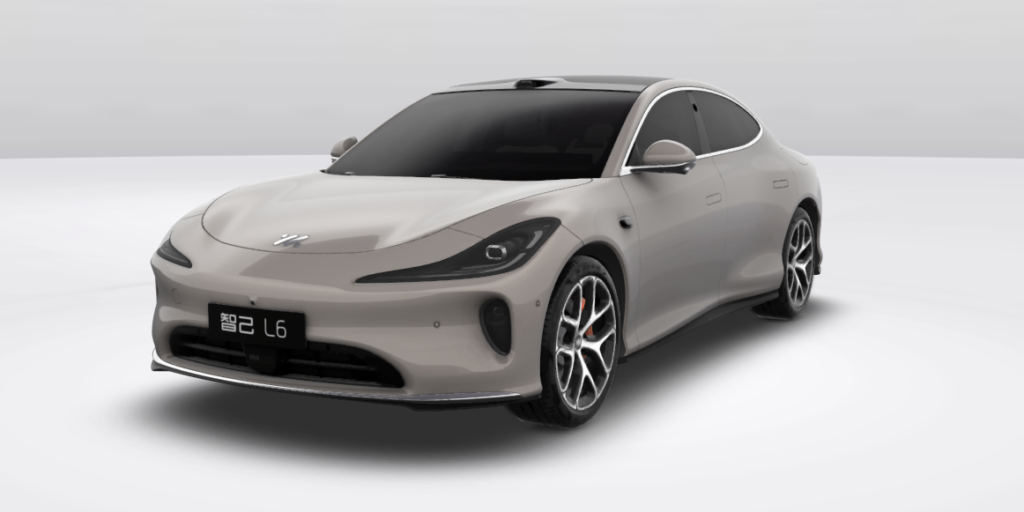
Of all the major players, Xiaomi was a latecomer. That said, it hit the ground running in 2011 with the Mi 1, a $300-ish Android phone. Since then, Xiaomi has fleshed out its offerings across several sub-brands, including the budget-minded Redmi, the Europe-focused Poco, and the short-lived gamer-targeting Black Shark. We’d be remiss to not mention Xiaomi’s turn into other areas, including home appliances, stationery, personal care products, and a full-on electric sedan.
Even with a portfolio that covers a wide spectrum of verticals, Xiaomi still pins its smartphone labels to strong flagship models that buyers can gravitate towards. The eponymous Xiaomi series features typical all-rounder premium specifications, including Leica-branded cameras. The Xiaomi 18 Fold, though, would be its first booklet foldable to take on the mid-size Galaxy Z Fold 8 from Samsung. Meanwhile, the Redmi Note 17 Pro Max stuffs a whopping 10-ampere-hour battery inside a 6.83-inch phone. The Poco F9 Pro rounds out a strong lineup, sporting the latest and greatest Qualcomm Snapdragon 8 Gen 5 chipset with Bose sound enhancements.