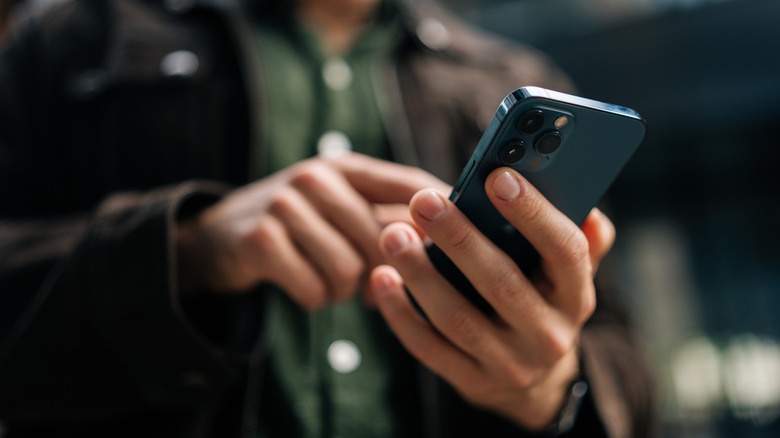
Mobile phones, particularly smartphones, have been an essential part of daily life for a while now. Nearly two decades after the original iPhone, these devices are about far more than just making calls. They connect us to the wider world, keep us entertained, and can even help with productivity. Cell phones have come a long way, even if those dumb phones from the ’00s are among the retro gadgets making a comeback.
As the brand that ushered in the smartphone, you might assume one of Apple’s iPhone models would be the best-selling mobile phone of all time, but that’s actually not the case. The iPhone 6 and iPhone 6 Plus are the top-selling smartphones at 224 million units, with their long-awaited larger screens contributing to their popularity. However, in terms of overall cellphone sales, these models come in at number three.
The top two spots both belong to Nokia phones, namely the Nokia 1100 (250 million) and Nokia 1110 (248 million). That might be surprising, but there are some pretty simple reasons for Nokia’s dominance here, and they explain why the record is unlikely to be topped any time soon.
Modern smartphones have more competition
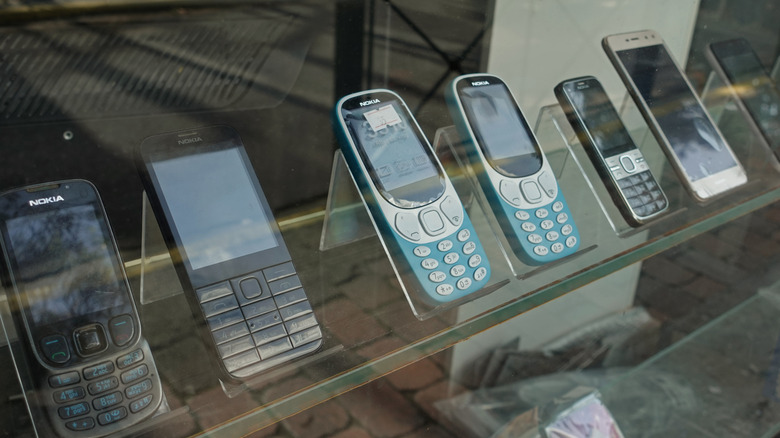
The Nokia 1100 and Nokia 1110 were released in 2003 and 2005, respectively, a time when the mobile phone market looked a lot different. There was certainly competition from the likes of Blackberry, Sony, and Motorola, but the 1100 and 1110 had a key advantage: price. The Nokia 1100 sold for around $100, and the 1110 was just $78 — far more affordable than the likes of the Motorola Razr V3, which sold at $449.
At a time when camera phones were gaining popularity in the U.S., the affordability of the Nokia 1100 and 1110 made these phones perfect for emerging markets like India, where the 1110 was still selling until at least 2007. These older phones were still common in Africa well after the release of the iPhone, with 50 million Nokia 1100s in use across the continent in 2011.
While there are more mobile phones out there nowadays, there are also more mobile phone options than ever. As of April 2026, Apple and Samsung have a pretty even global market share, at around 21% each. Outside of the U.S., there’s also competition from Xiaomi and Huawei, meaning there’s no dominant player right now. On top of that, people have been holding onto their smartphones for longer than they used to, so it’s unlikely we’ll see the Nokia 1100 and Nokia 1110’s records broken in the near future.