Primary schools in the United Kingdom can be state-funded or independent, offering parents plenty of choices. However, a new resident may find the education system confusing because it is devolved. This means that the four constituent nations of the UK – England, Wales, Scotland, and Northern Ireland – have autonomous education departments.
Despite some similarities, there are significant differences in their admissions, curriculums, and assessments. This article will help you make sense of primary schools across the UK by explaining the following topics:
The primary education system in the UK
Primary education is compulsory and most children residing in the UK can attend a local state primary school. This is also true for international children, as long as they have the right of abode; living in the UK without immigration restrictions.
Due to the decentralization of the UK education system, regional primary schools differ in their starting ages, curriculums, school holidays, assessments, and qualifications. Read on to learn more about primary schools in each region.
State/public primary schools in the UK
During the 2020/21 academic year, around 5.5 million pupils attended the 20,806 state primary schools across the UK. The UK education expenditure also increased by 6% to £27,380 million for primary schools. Despite regional variations, children start school around four or five and spend seven to eight years in primary education.
All four nations aim for inclusivity in their mainstream state schools. Therefore, students with special educational needs (SEN) have the right to attend their local school. It is the schools’ and local authorities’ responsibility to meet the children’s needs adequately to support their learning journey. There are also a small number of special schools for students with high and complex needs. Our article on the education system in the UK comprehensively explores SEN support in schools.
Costs
State schools do not charge tuition fees. However, parents pay for uniforms, PE kits, stationery, and transport to school, which can add significantly to your cost of living. Some schools may also ask for a voluntary contribution to cover field trips or extramural school activities. Nevertheless, they won’t exclude a child if their parents can’t contribute. Caregivers can apply for financial support to cover these costs.
Quality of education
The standard of primary schooling across the UK is generally good. Fortunately, each region has an inspection body, which reviews schools and reports on the quality of their teaching. Parents can access these reports.
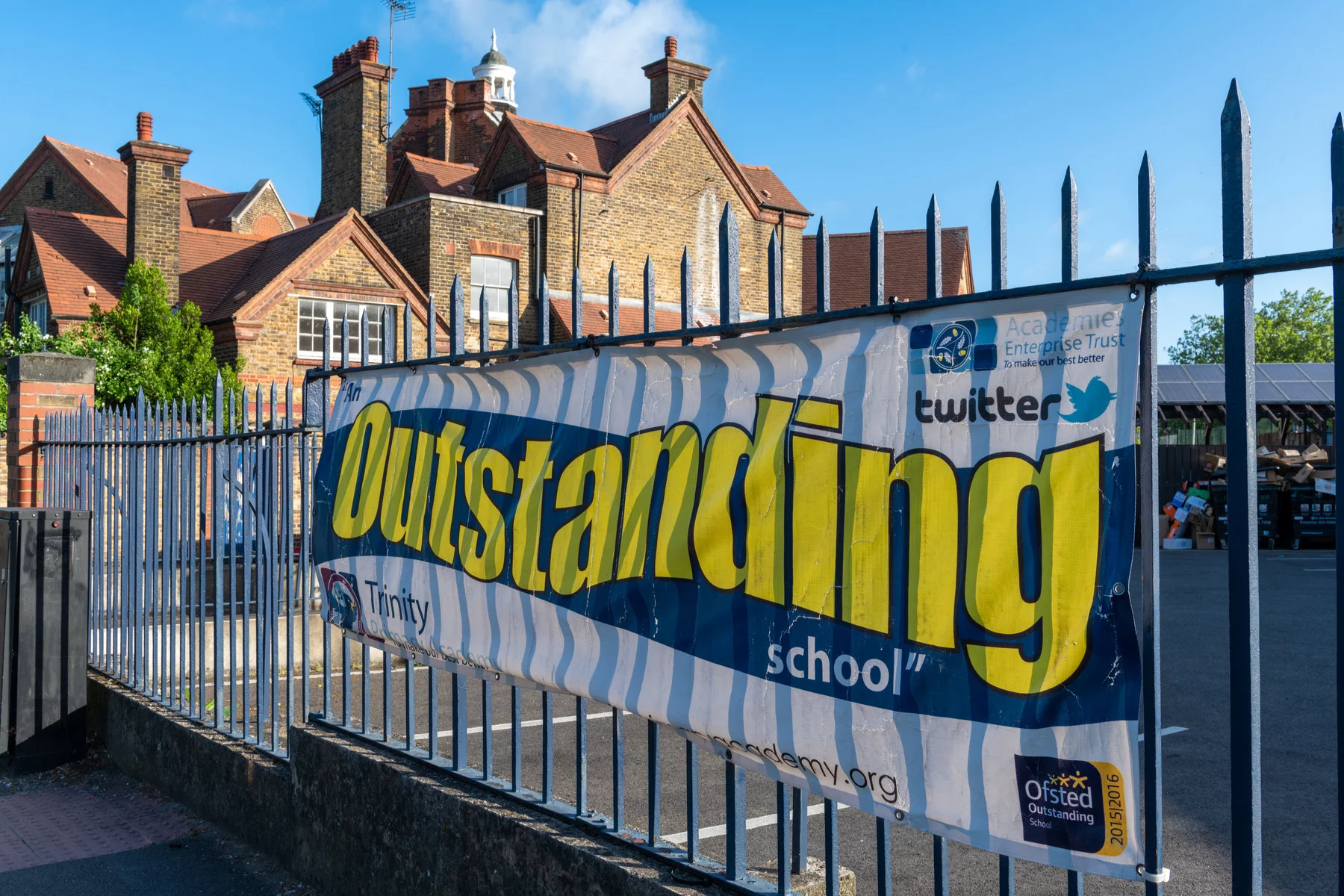
If there are any concerns, schools must work to improve on these areas. The next inspection would then focus on the changes made. Generally, the assessment happens every five years, except where there are issues. In that case, the cycle will be shorter. Below are the inspection organizations in each nation:
School timetable
Generally, the school week runs from Monday to Friday. A typical primary school day starts at 08:30 or 09:00 and ends at 15:30 or 16:00, with morning, lunch, and afternoon breaks. However, most primary schools have a shorter day on Fridays. School holidays differ slightly across the four nations.
Many schools offer extracurricular activities, from sports to arts and technology. However, this varies vastly between schools and depends on the school resources and budget. Therefore, many children join extramural activities independent from their school, which can be costly.
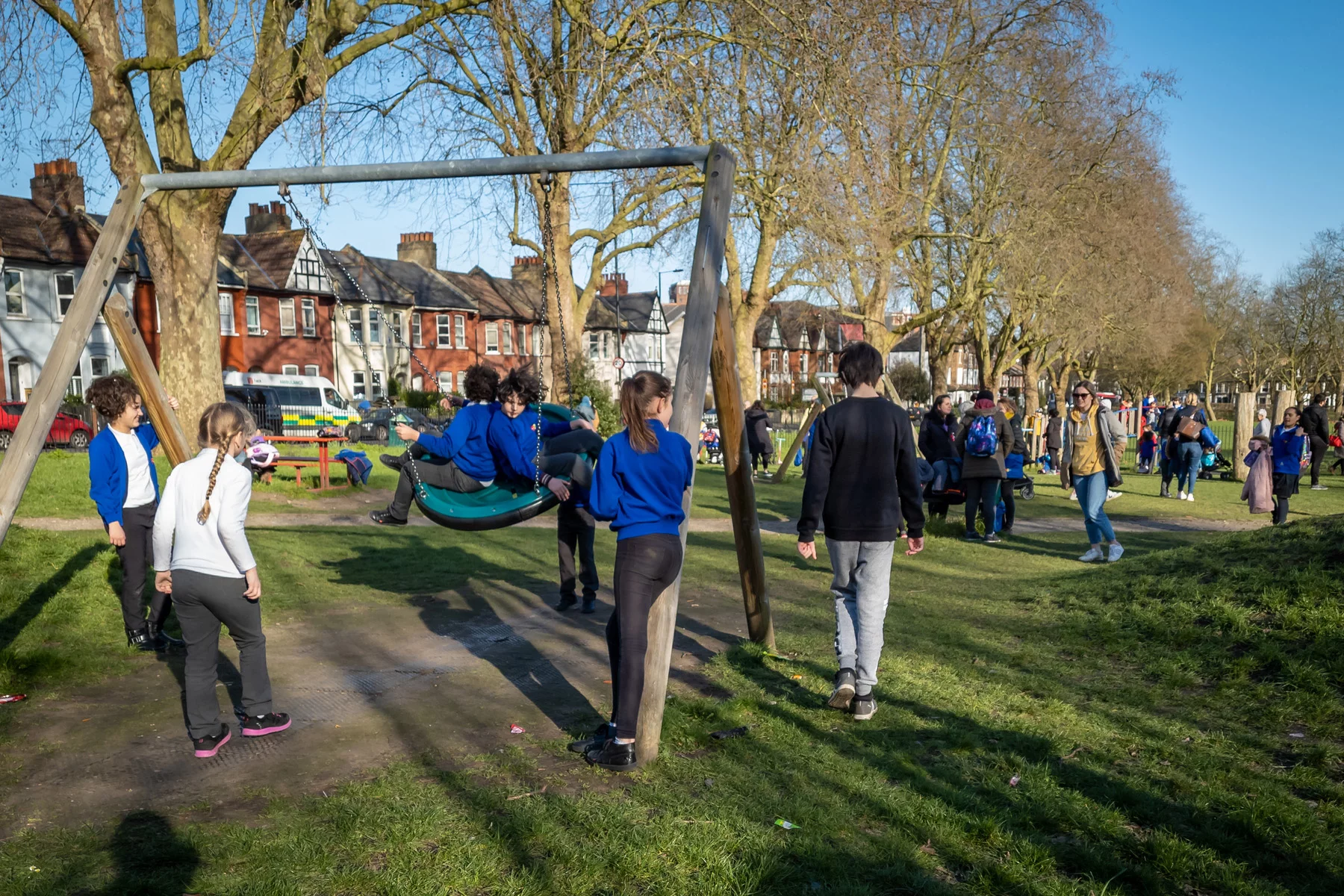
Physical education (PE) forms an integral part of all the school curriculums across the UK and more than 40% of primary schools give students at least an hour to play outside, apart from lunchtime.
However, a report (2018) from Learning through Landscapes (LTL) highlighted that 81% of teachers felt pupils did not spend enough time learning outdoors. Hence, the campaign for the Outdoor Classroom Day initiative. As a side note, according to the Children’s People and Nature Survey for England (2021), 96% of children said they were outdoors, other than in their garden, at least one day a week during the summer holidays.
Primary schools in England
The Department for Education (DfE) regulates primary schools in England. Seventeen agencies and public bodies support the DfE. In England, Wales, and Northern Ireland, class size can be 21 or more students per teacher. However, schools have a statutory responsibility not to exceed 30 pupils per class, especially in Years 1 to 4.
Types of schools in England
There are 16,791 primary schools in England. State schools across the UK are free to attend. However, there are different types of state schools. In England, state schools are either maintained or non-maintained. The local authority (LA) oversees and funds maintained schools. These schools have to follow the national curriculum. There are four types of maintained schools:
- Community-owned schools – funded, and governed by the LA
- Foundation and trust schools – run by a governing body, but funded by the LA
- Voluntary aided (VA) schools – often faith/church schools, funded by the LA, run and partially funded by a governing body, enjoy more independence
- Voluntary controlled (VC) schools – primarily funded and run by the LA, but a foundation or trust owns the land and buildings, thus making up a quarter of the governing body
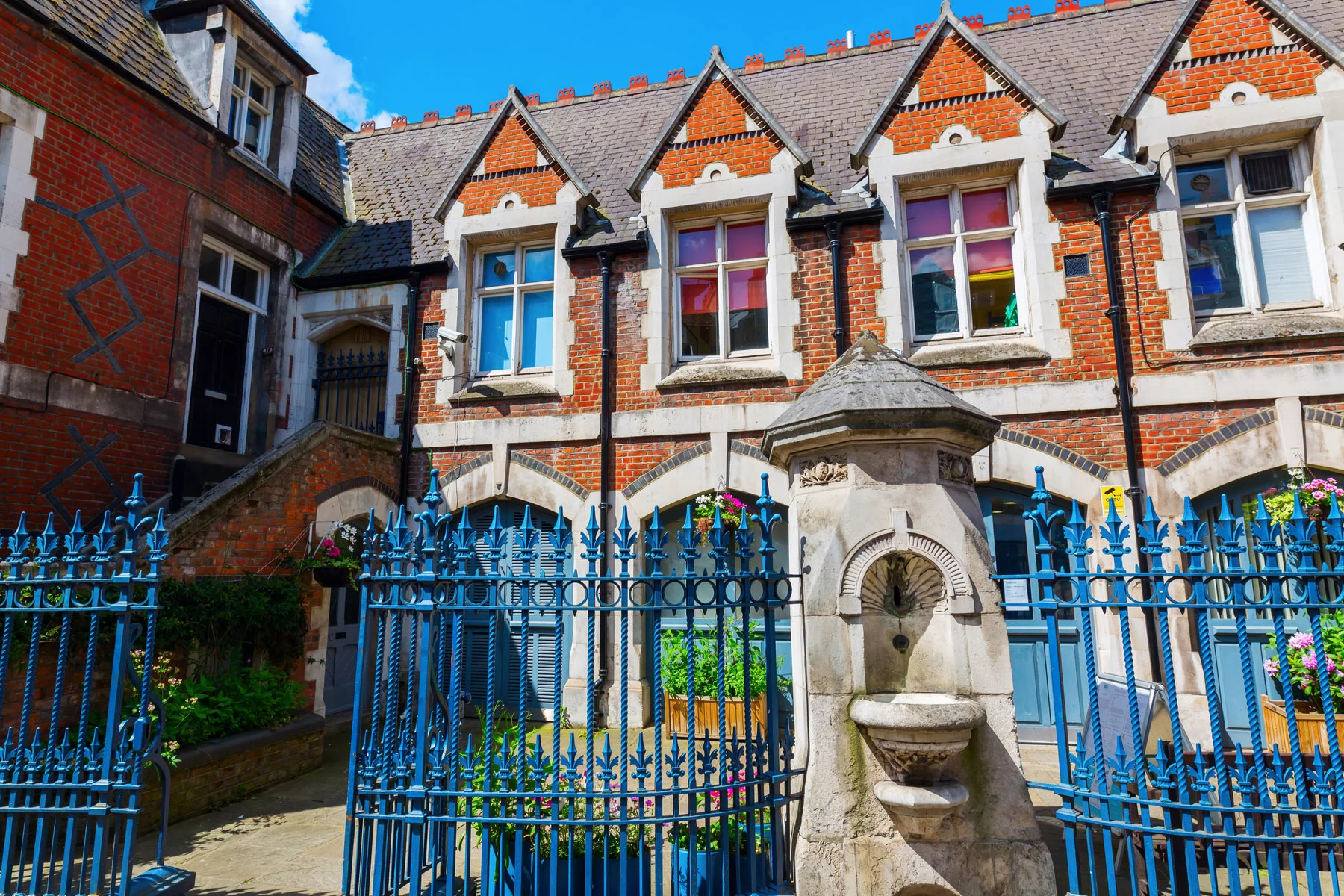
In contrast, non-maintained state schools include academies and free schools. These schools are state-funded, but they have more freedom as the local authority does not manage them. For example, they do not have to follow the national curriculum. They also do not charge tuition fees.
Admissions in England
Typically, in England and Wales, you cannot choose a state primary school because places are decided through catchment areas. For this reason, you can only register for a school near your home through the local council. You can either apply online or use your council’s application form. When you enter your postcode, the site will direct you to the correct council (also called borough in some areas). Here, you will find all the school information and admission criteria. Once on the council website, you can search for your nearest schools by typing in your postcode again. You will need to list a few schools in order of preference on your application. Still, there is no guarantee your child will get a place in your preferred school.
Applications open in September and close on 15 January, when your child is three or just turned four. Subsequently, you will find out about your child’s placement on 16 April. This anxiously awaited day is called National Offer Day.
School curriculum in England
In England and Wales, children start school in September after their fourth birthday. So, they will turn five in their first primary school year, known as Reception. However, if a child is not school-ready, parents can defer this start date, as the compulsory school age is five.
State schools follow the National Curriculum, which divides into Key Stages (KS), based on age groups, as seen below.
| Age | Year | Stage | Assessments |
| 4 – 5 | Reception | Foundation | Baseline assessment |
| 5 – 6 | Year 1 | KS1 | Phonics screening test |
| 6 – 7 | Year 2 | KS1 | SATs |
| 7 – 8 | Year 3 | KS2 | |
| 8 – 9 | Year 4 | KS2 | |
| 9 – 10 | Year 5 | KS2 | |
| 10 – 11 | Year 6 | KS2 | SATs |
Learning areas and assessments
The learning areas are broad and include subjects, such as:
- English reading, spelling, grammar, and writing
- Numeracy and mathematics
- Science
- Art and design
- Computing
- Design and technology
- Geography
- History
- Music
- Physical Education (PE)
- Foreign languages (only from KS2)
Relationships and health education are compulsory in state primary schools. Schools must also teach religious education, but parents can withdraw their children from these classes. Conversely, schools choose whether or not to teach sex education at the primary level, but it is the parent’s prerogative whether their child attends these classes.
Initially, teachers do a baseline assessment in Reception to check children’s school readiness. After that, they do a phonics screening test at the end of Year 1. Also, pupils will sit the End of Key Stage Tests and Assessments (SATs) twice during their primary education. SATs are standardized tests to assess a child’s learning progress. The first assessment is at the end of Year 2 (KS1) and the second in Year 6 (KS2). Age-wise, this roughly equates to around seven and eleven.
School terms and holidays in England
Schools in England and Wales run from the autumn term at the start of September to the summer term, mid-July. They have several breaks, including half-terms (one week) and holidays (two weeks) during the year. The summer holidays are the longest at six weeks. Schools also close on bank (public) holidays. Additionally, students have about five free days throughout the year, which schools use for staff training. The teacher training days vary between schools.
Primary schools in Wales
In Wales, the Department for Education and Skills (DfES) governs all learning from pre-primary to post-secondary.
The starting age, admissions, and school holidays for primary schools compare closely to England. As local councils allocate school places, parents have to apply through them and cannot choose a school directly.
Types of schools in Wales
There are 1,219 primary schools in Wales. All state primary schools are maintained and divided into the following types depending on their management:
- Community (mainstream and special) schools – wholly owned and run by the local authority
- Voluntary controlled (VC) schools – owned and run by a voluntary organization (often a church), but closely controlled by the local authority (LA)
- Voluntary aided (VA) schools – typically faith schools with more independence than VC schools, owned and run by a voluntary organization
- Foundation (mainstream and special) schools – owned and run by a charitable foundation or governing body with limited local authority control
There are no academies nor free schools in Wales.
School curriculum in Wales
From 1988 to 2021, Wales followed the National Literacy and Numeracy Framework (NLF). However, to modernize its educational offering, Education Wales (Addygsg Cymru) introduced a new curriculum in 2022. This curriculum introduces syllabus, student assessments, staff training, and school support changes.
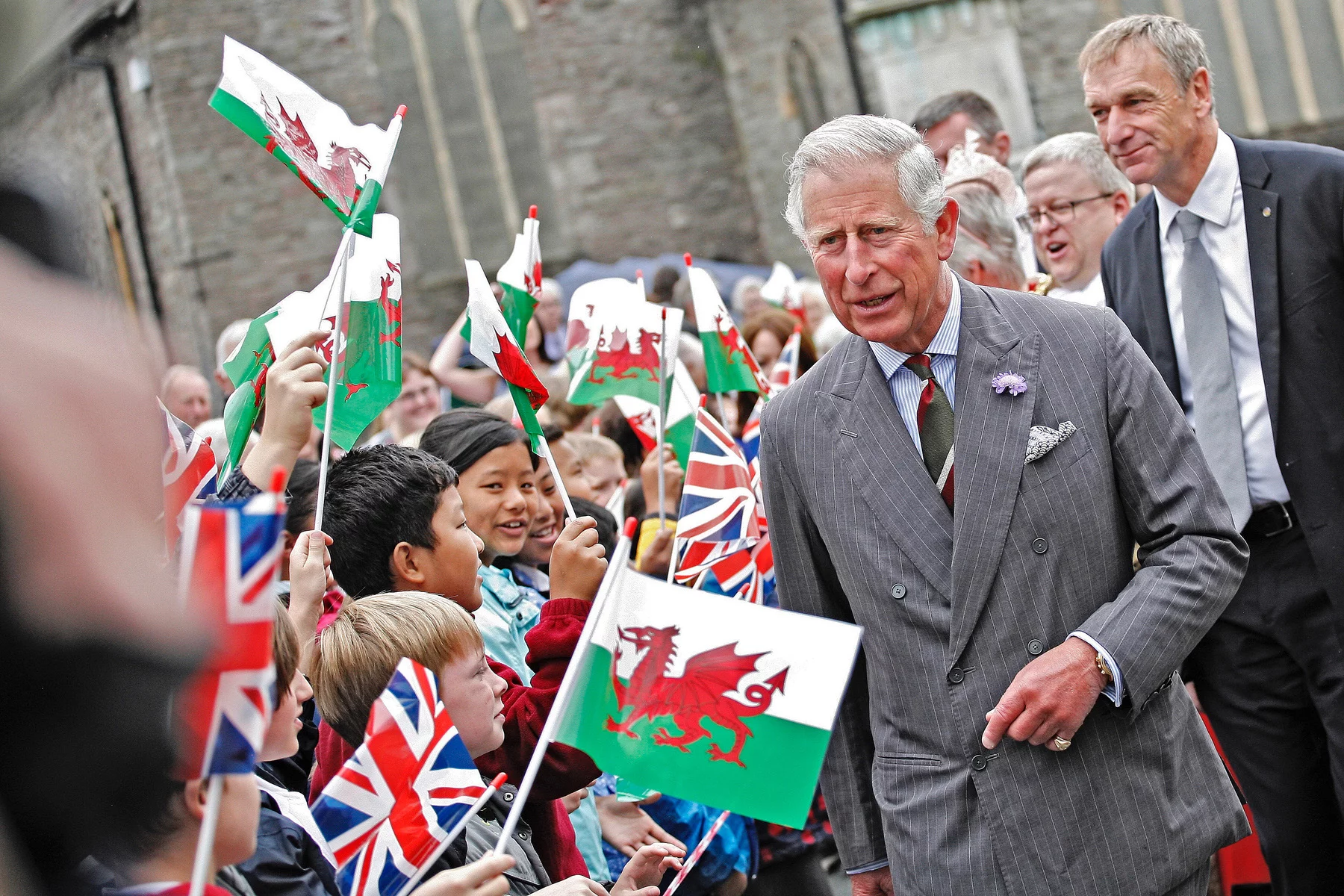
Learning areas and assessments
The new curriculum covers six learning areas:
- Expressive arts
- Health and well-being
- Humanities
- Language, literacy, and communication
- Mathematics and numeracy
- Science and technology
There is also an ongoing focus on personal development, life, and digital skills. Schools will teach Relationships and Sexuality Education (RSE) at an age-appropriate level. It will include healthy relationships, keeping safe online, and talking to responsible adults about their sexual identity and concerns.
Children must learn Welsh (Cymreag) as an additional language if they are not in Welsh-medium education (Addysg Cyfrwng Cymereag). Incidentally, there are 373 Welsh-medium schools in the country. You can visit the Cymreag, I blant for kids site to learn more. Students must also participate in at least two hours of PE per week.
Assessments will be more individualized in the new curriculum. Instead of once-off standardized testing (SATs) at a specific age, teachers will review pupils’ daily progress and collaborate with the child about the next steps in their learning. Schools will have some flexibility in their assessment methods and tools.
Primary schools in Scotland
In Scotland, the government oversees all learning via its executive agency, Education Scotland. On average, there are 16 pupils per teacher in primary schools. This class size is smaller than any other nation in the UK.
Types of schools in Scotland
There are 2,001 primary schools in Scotland. State primary education in Scotland is categorized as the local community, special, and denominational or faith schools. The only difference between denominational and other state schools is that they dedicate some school time to religious services. There are 378 faith schools in the country, of which 367 are local community schools.
School admissions in Scotland
Like England and Wales, local councils allocate school places to children according to catchment areas. Most local authorities have a school map on their admissions website. Some councils send letters in the year before a child starts school to confirm where they were placed. If they do not send a letter, parents must enroll their children via the council. Parents may request a school change if unhappy with the placement, even outside the catchment area. The local authority will only honor this request if the school has places available. Furthermore, you can use Parentzone to discover more about the local schools in your area.
School curriculum in Scotland
In Scotland, children start primary school between the ages of four-and-a-half and five-and-a-half. In practice, the start date depends on when a child turns five, but parents can defer a younger child’s (aged four) start date.
For example, if a child’s fourth birthday falls between:
- 1 September to 28/29 February – start school in August before their fifth birthday
- 1 March to 31 August – start school in August after their fifth birthday
Scotland’s state schools follow the Curriculum for Excellence (CfE). It starts at Primary 1 (P1) and runs progressively to P7. The teaching approach develops and nurtures four capabilities:
- Successful learners
- Confident individuals
- Responsible citizens
- Effective contributors
Primary school falls under the Broad General Education and covers three of the five levels of the Scottish education system.
The table below summarizes the ages per school year, curriculum levels, and assessments.
| Age | Year | Level | Assessment |
| 4 – 5 | Nursery | Early Level | |
| 5 – 6 | P1 | Early Level | SNSA |
| 6 – 7 | P2 | First Level | |
| 7 – 8 | P3 | First Level | |
| 8 – 9 | P4 | First Level | SNSA |
| 9 – 10 | P5 | Second Level | |
| 10 – 11 | P6 | Second Level | |
| 11 – 12 | P7 | Second Level | SNSA |
Learning areas and assessments
The curriculum covers a range of subjects, such as:
- Expressive arts
- Health and well-being
- Languages
- Mathematics
- Religious and moral education
- Sciences
- Social studies
- Technologies
Students also do at least two hours of PE during the school week. It is not mandatory to learn Gaelic in Scottish schools, and there are no primary schools that teach in Gaelic. Even so, Gaelic Medium Education (Foghlam tro Mheadhan na Gàidhlig) is open to all. If this interests you, use this interactive map to find schools that teach the language.
In P1, P4, and P7, children complete the Scottish National Standardised Assessment (SNSA) to test their literacy and numeracy.
School terms and holidays in Scotland
Scotland’s school year divides into three school terms: autumn, winter, and summer, with mid-term breaks of a week each. Schools have longer holidays for Christmas (two weeks), Easter (two weeks), and summer (six weeks). However, unlike the rest of the UK, the school year runs from mid-August to mid-June. Schools are also closed on bank holidays, and each learning community has local public holidays, which align with festivals.
Primary schools in Northern Ireland
In Northern Ireland, the Department of Education-NI (DENI) governs primary education. There are 784 state primary schools in Northern Ireland, which you can find with the department’s search tool.
Types of schools in Northern Ireland
State schools are called grant-aided. There are six different types of grant-aided schools. All are free to attend and must follow the national curriculum. These schools include:
- Controlled
- Catholic Maintained
- Integrated
- Irish-medium
- Special
Read more about each type of school on the education department website. Religion still plays an integral part in the education system in Northern Ireland, often segregating schools into Roman Catholic and Protestant. Hence, integrated schools move away from these religious lines and accept students from any background.
School admissions in Northern Ireland
In contrast with the rest of the UK, schools do not have catchment areas. As a result, parents can choose schools. However, if a school is oversubscribed, it may consider the proximity of a child’s home to the school. Applications open after the Christmas holidays, and parents can apply via the Citizen’s Portal till the end of January. Be sure to check the admissions criteria for your preferred school. You can use the Education Authority (EA) search tool to find a school.
Curriculum in Northern Ireland
The country follows the Northern Ireland Curriculum. As a result, primary school begins in Year 1 instead of Reception. It divides into the Foundation Stage, Key Stage 1 (KS1), and Key Stage 2 (KS2), covering seven years.
Most children start school in September if they turn four by 1 July of the same year. Still, if a child’s fourth birthday falls in the summer holidays (between 2 July and 31 August), they will only start the following September, after their fifth birthday. There is a current proposal for even more flexibility; children born between 1 April and 1 July can defer starting school for a year. If the government passes the law, this change may come into effect in September 2022.
Below is a summary of the ages, years, and stages in primary schools. Note that schools only start assessments from Year 4.
| Age | Year | Stage | Assessments |
| 4 – 5 | 1 | Foundation | |
| 5 – 6 | 2 | Foundation | |
| 6 – 7 | 3 | Key Stage 1 | |
| 7 – 8 | 4 | Key Stage 1 | InCAS |
| 8 – 9 | 5 | Key Stage 2 | InCAS |
| 9 – 10 | 6 | Key Stage 2 | InCAS |
| 10 – 11 | 7 | Key Stage 2 | InCAS |
Learning areas and assessments
Northern Ireland primary schools offer a holistic curriculum with subjects in:
- Language and literacy
- Mathematics and numeracy
- Art
- The world and society
- Personal development and mutual understanding
- Religious education (RE)
- Physical education (PE)
Interestingly, learning Irish in school is not compulsory. Still, there are 30 Irish-medium schools and 10 units attached to English-medium schools across the region. So, if interested, contact Comhairle na Gaelscolaíchta (body for Irish-medium education) for more information.
From Year 4, the class teacher reviews students’ progress with an interactive computerized assessment system (InCAS) instead of SATs. The Centre of Evaluation and Monitoring (CEM) at Durham University developed these tests to review learners’ reading, spelling, and maths progress. Additionally, it also measures their learning potential and attitude towards school life.
School terms and holidays in Northern Ireland
The school year runs from 1 September to 1 July, with half terms and holidays in between. However, schools also close for Halloween and St. Patricks Day.
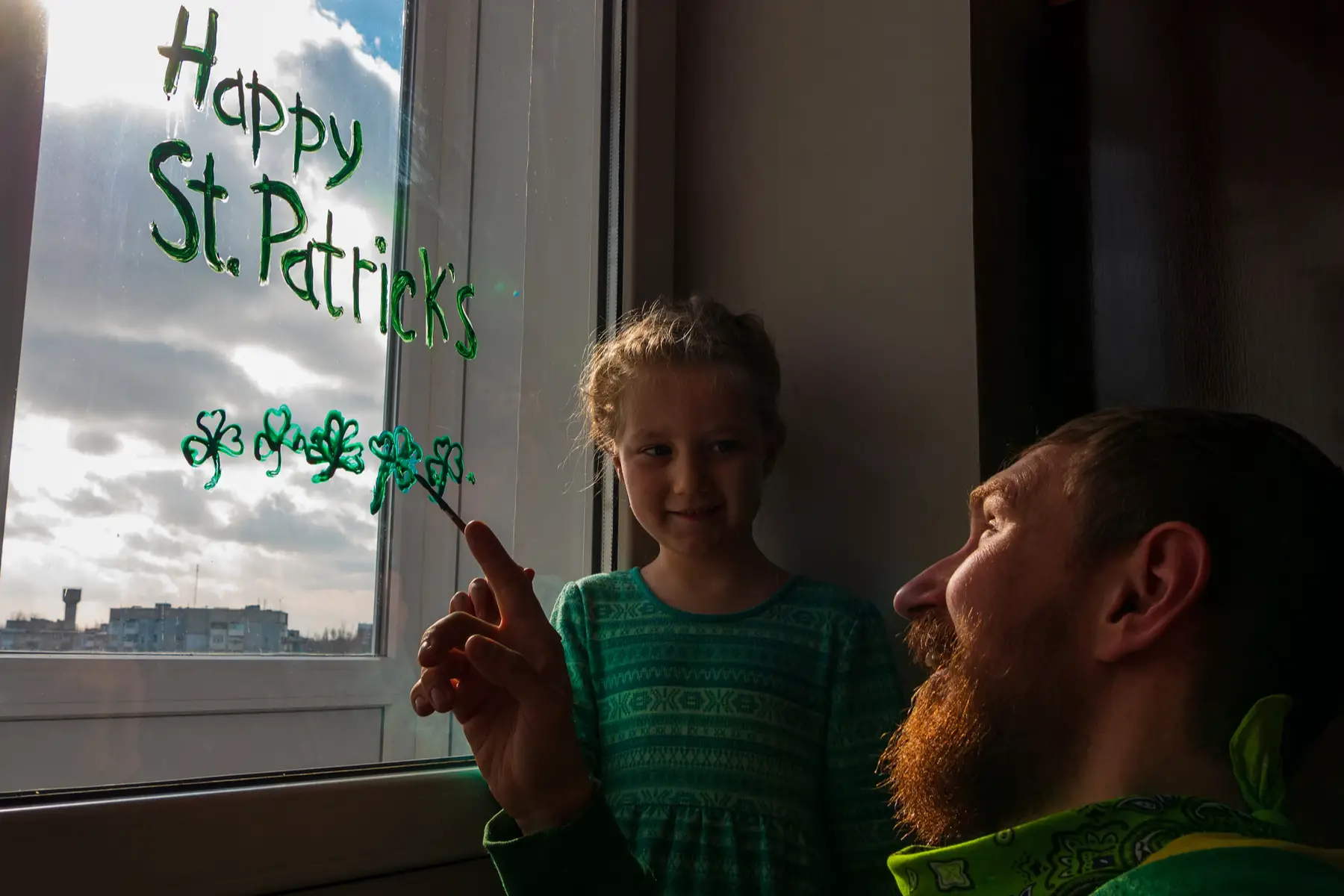
Furthermore, schools allocate a few non-teaching (Baker Days) and School Development Days (SDD), which differ from one school to the next. Schools earmark these days for staff training and school improvements.
The pros and cons of state primary schools in the UK
The advantages of state primary schools are that they are free to attend and usually close to home. Most schools also offer a good quality education. Furthermore, children with special educational needs (SEN) can attend their local mainstream school and receive SEN support. Moreover, it is a good integration opportunity, as children will make friends in their neighborhood.
However, except in Northern Ireland, parents cannot choose any school as the local authority allocates schools based on their catchment areas and available places. Also, if your child does not speak English fluently, tuition may be a challenge, even with language support. Class sizes may be bigger than independent schools. State schools may also not have the resources and budgets to offer all the facilities and extracurricular activities private schools can.
Private primary schools in the UK
Across the UK, there are more than 2,500 independent or private schools (including international and boarding). They teach around 615,000 students each year. These numbers include primary and secondary education as private schools often enroll children from 4 to 18. Typically, independent primary schools are called preparatory (or prep) schools and can be single-sex or co-ed. Conveniently, you can search for schools with the Independent Schools Council’s (ISC) interactive map.
Alternatively, you can also use the Best Schools search tool, and even refine your search by looking for the top independent schools in Wales, Scotland, and Northern Ireland.
The government does not fund nor partially subsidize independent schools. Therefore, these schools all charge tuition fees, which can be expensive. That said, costs depend on the child’s age and whether they are day or boarding students. On average, these fees can range from £21,000–45,000.
Indeed, independent and international schools enjoy more flexibility and freedom to plan their school calendar, design their curriculum, and shape their teaching approach.
Montessori schools in the UK
Many Montessori schools only cover pre-primary and primary education. Their teaching approach follows the educational theories of Maria Montessori, often coined as “follow the child.”
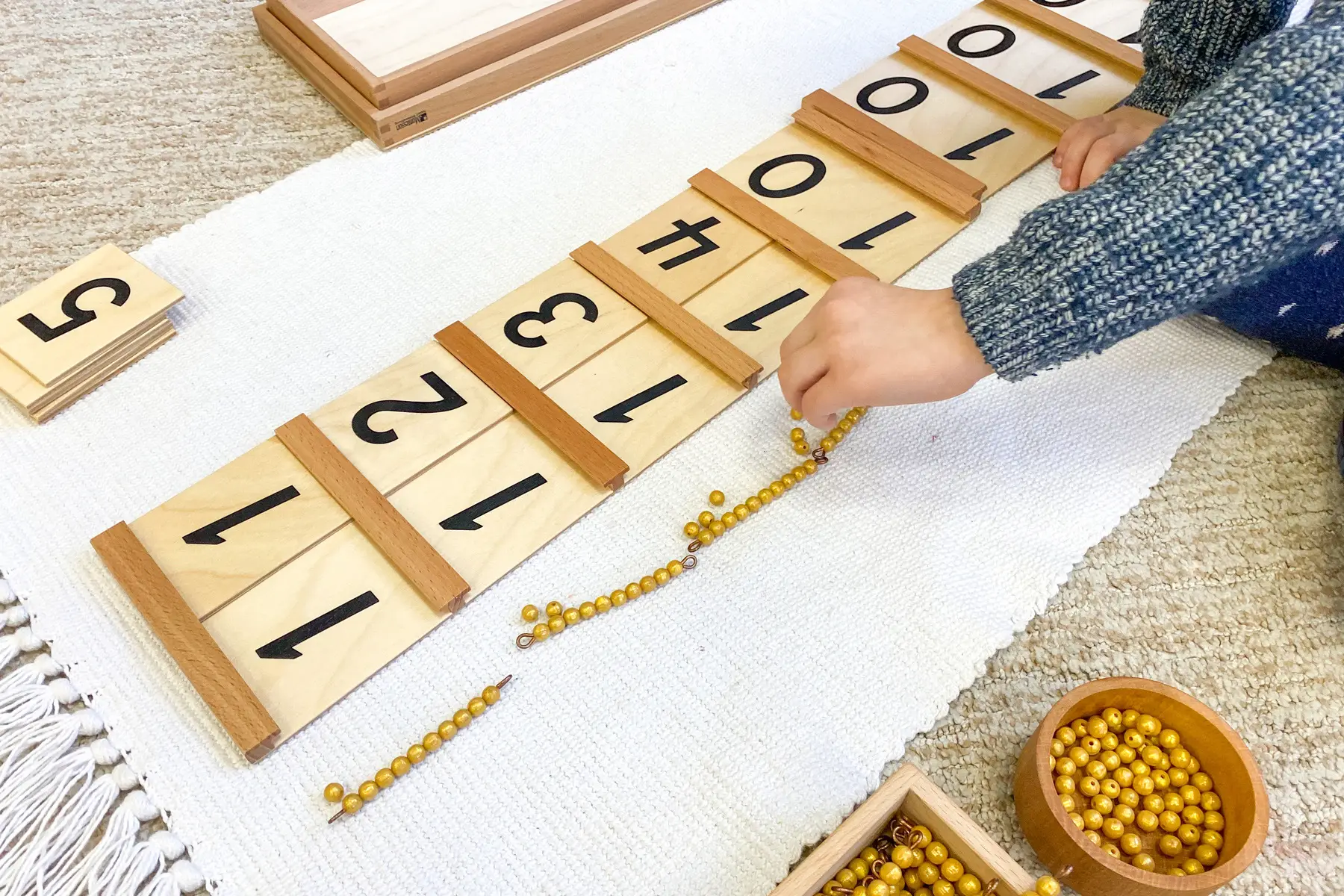
In other words, the school is a child-centered learning environment with open-ended teaching materials. Consequently, the teacher supports the child to learn at their own developmental pace. Conveniently, you can find a Montessori school in the UK with this search tool.
Steiner Waldorf schools in the UK
Contrarily, Steiner Waldorf schools follow the educational philosophy of Rudolf Steiner. To start, it combines artistic and physical activity with academic learning. Above all, it encourages learning through play and meeting the child at their natural developmental level. For example, the Edinburgh Steiner School covers primary and secondary education. You can also find more Steiner Waldorf schools in the UK with this interactive map.
International schools in the UK
International schools in the UK are diverse and offer British and country-specific curriculums. For example, there are Japanese, German, French, Spanish, and American international schools in London. Fees range, on average, from £9,500 to £26,000 per year. One international school, St Leonards, even has boarding options from Year 6. Boarding fees can range from £24,000 to £38,000 depending on the child’s age and how many nights they stay on campus.
In our directory, you’ll find a list of excellent international schools in the UK, such as:
The International School Search is another handy tool to find educational institutions across the country. In addition, the Independent Schools Inspectorate (ISI) reports on the quality of education in private schools. Parents can easily access these reports.
The Primary Years Program (PYP) in the UK
In 2021, 5,400 schools offered 7,500 IB programs across 159 countries, including the 120 international schools in the UK. Out of these, 18 primary schools taught the Primary Years Program (PYP). The PYP approach encourages children to take ownership of their learning, favors exploration above rote learning, and nurtures a sense of intercultural community. Unfortunately, no schools in Northern Ireland seem to teach any IB programs.
The pros and cons of international schools in the UK
International schools have many advantages. Children can learn in their first language. Often, they are already familiar with the curriculum and teaching methods. Additionally, it can make the transition easier if your family relocates to another country or returns home.
Students at these schools also have the opportunity to develop in a multicultural environment. Usually, international schools, as do other independent schools, have an excellent level of education and offer more facilities and activities than state schools. Also, class sizes tend to be smaller, which allows for more personal attention.

The most significant disadvantage of independent schools, including international schools, is the high tuition fees. Moreover, many are only located in big cities or near urban areas. So, you may not find any if you settle in a small village. Children may also not integrate fully into the local culture, as their peers will mostly be other international children.
Applying to independent primary schools in the UK
Each independent school’s application process and deadline differ. Therefore, contact the school’s administration office directly to determine the procedure. Most schools have an online application form on their website. It is advisable to visit a few schools to see if their curriculum, values, and atmosphere is a good fit for your child. It is best to file your application early, as many have long waiting lists.
The documents you’ll require may include:
Most schools will do placement tests if your child is slightly older (not starting school).