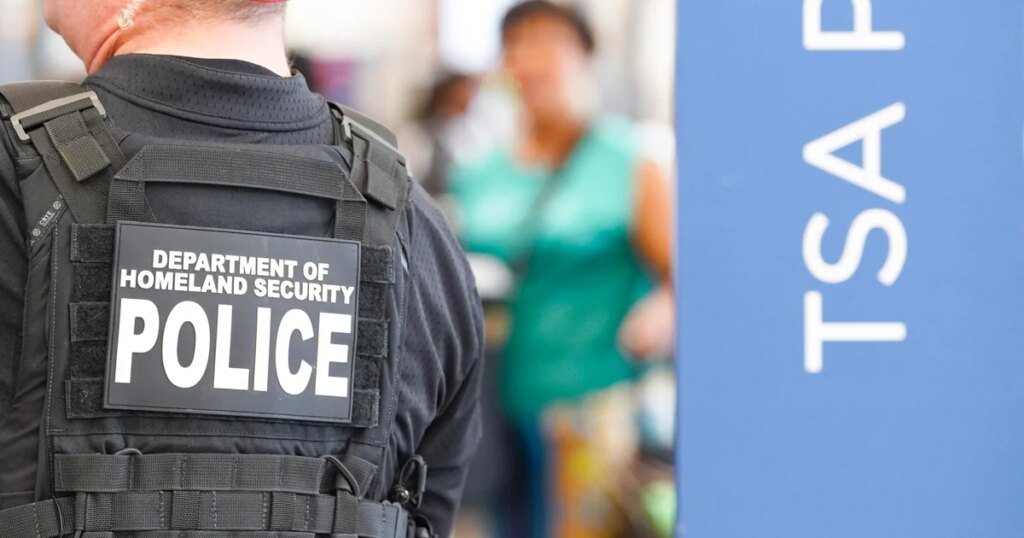
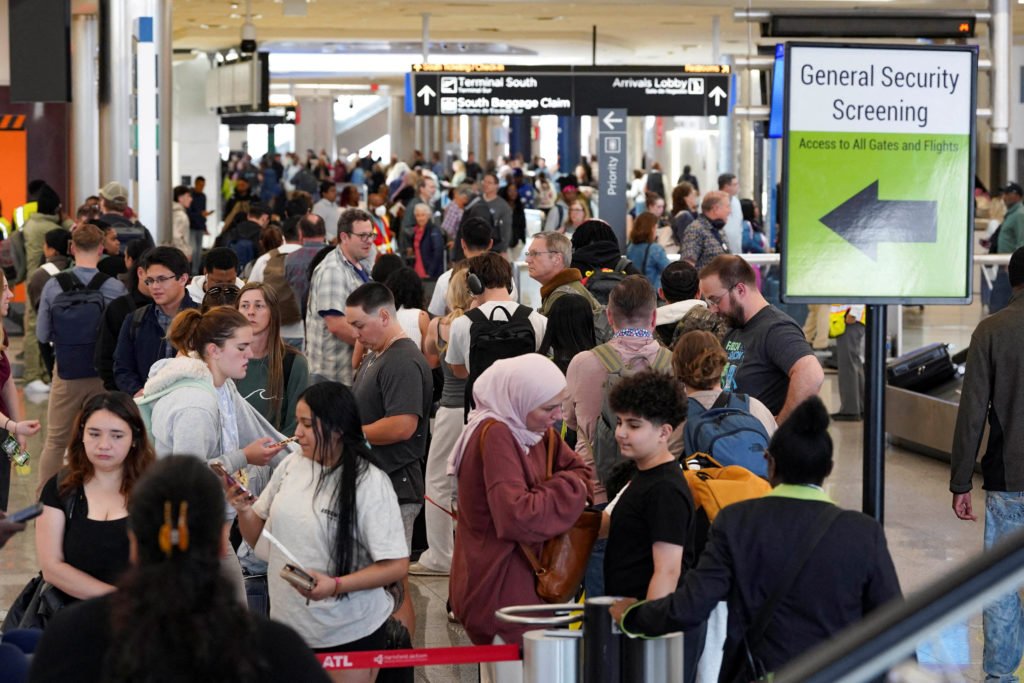
WASHINGTON (7News) — A partial government shutdown is beginning to strain the nation’s airports at a critical travel moment, with staffing shortages among Transportation Security Administration officers leading to longer lines and growing concern about airport operations.
According to the Transportation Security Administration, hundreds of officers have either called out or resigned after working weeks without pay. The agency, which falls under the Department of Homeland Security, has warned that additional departures are possible if the funding lapse continues.
SEE ALSO | ICE agents to handle some TSA duties at airports Monday
The impact is being felt nationwide — including at major airports in the D.C. region like Ronald Reagan Washington National Airport, Washington Dulles International Airport, and Baltimore/Washington International Thurgood Marshall Airport — where officials are urging travelers to arrive early as spring break crowds build. TSA officers are considered essential employees, meaning they are required to report to work during a shutdown even if they are not being paid. Historically, prolonged shutdowns have led to higher absentee rates, longer wait times at checkpoints, and increased pressure on remaining staff.
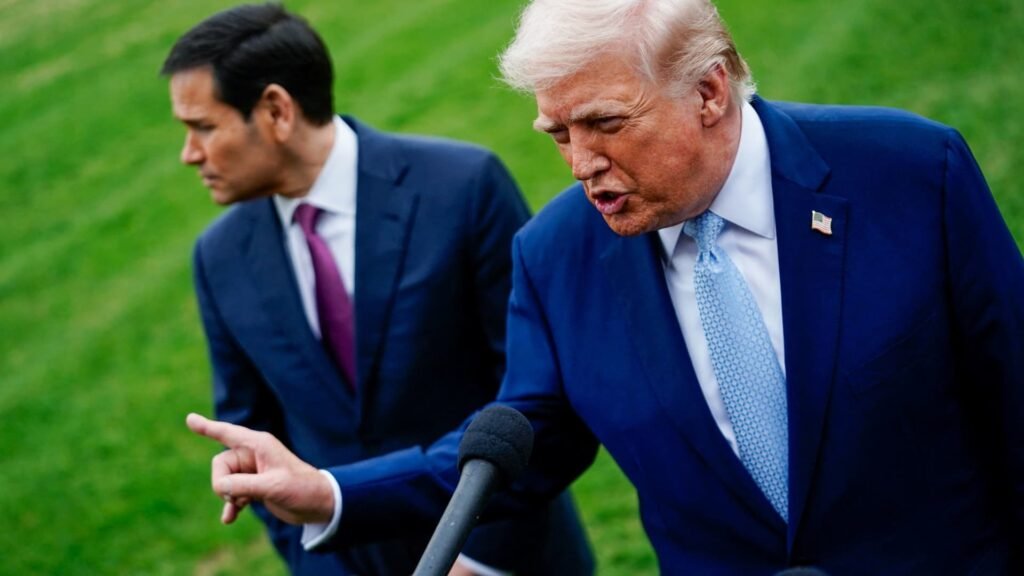
President Donald Trump is now raising the stakes, proposing using ICE agents. Amid the growing disruption, Trump is escalating pressure on Congress to reach a funding agreement.
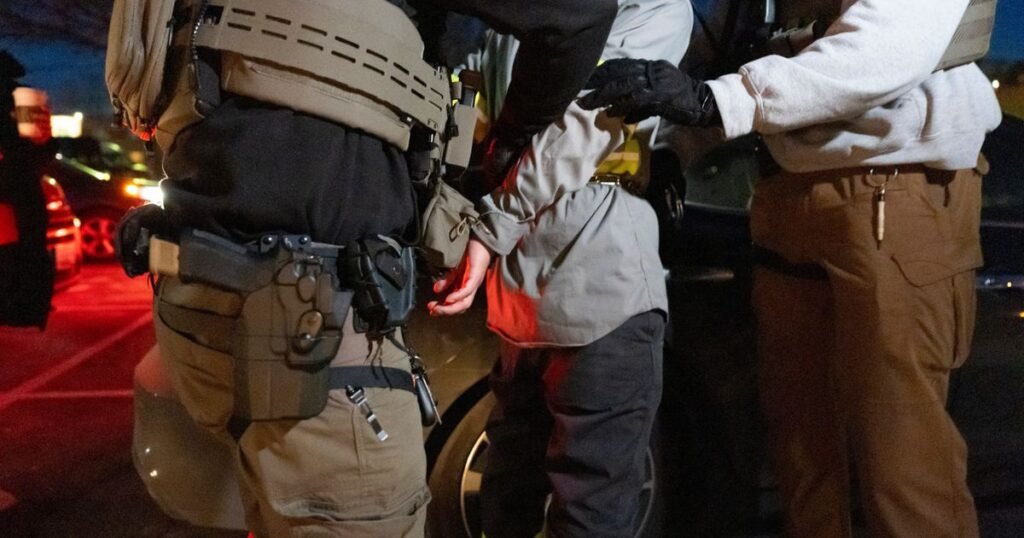
In a social media post, the president said he may deploy agents from U.S. Immigration and Customs Enforcement to assist at airport security checkpoints if a deal is not reached, writing that those agents could “do security” at airports.
The proposal is drawing immediate pushback.
Aviation and security experts note that TSA screening requires specialized training and certification, and that replacing or supplementing that workforce is not a simple switch. Critics, including Democratic lawmakers, argue that ICE agents are not trained for passenger screening and warn the move could create operational and safety risks. Supporters, however, say reassigning federal personnel during emergencies has precedent and could help relieve pressure on the system in the short term.
The timing of the disruption is raising additional concern, as spring break travel increases passenger volume at airports across the country.
Travel industry groups and security analysts warn that continued staffing shortages could lead to more significant delays — and potentially broader disruptions — if the shutdown drags on.
Lawmakers are expected to return to negotiations in the coming days, but there is no clear timeline for a resolution.
Until then, airport officials are advising passengers to plan ahead, arrive earlier than usual, and prepare for possible delays as the situation continues to evolve.