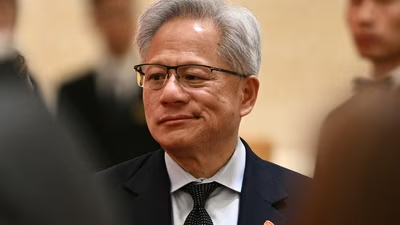
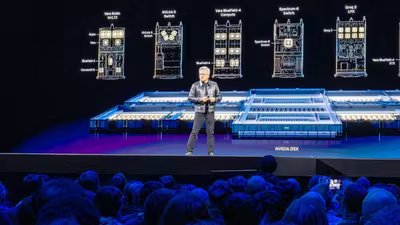
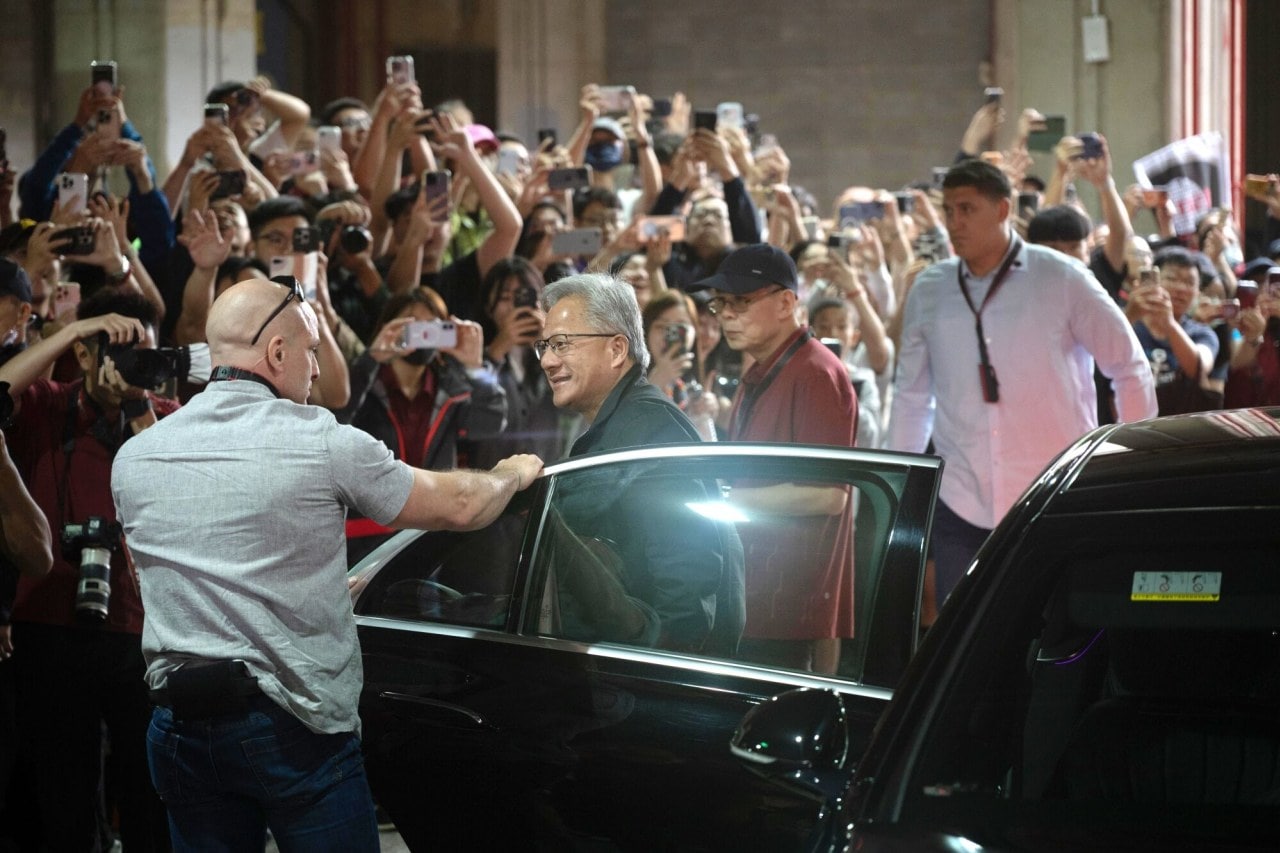
In June 2024, Nvidia Chief Executive Jensen Huang was in Taipei for an annual computer-industry trade show.
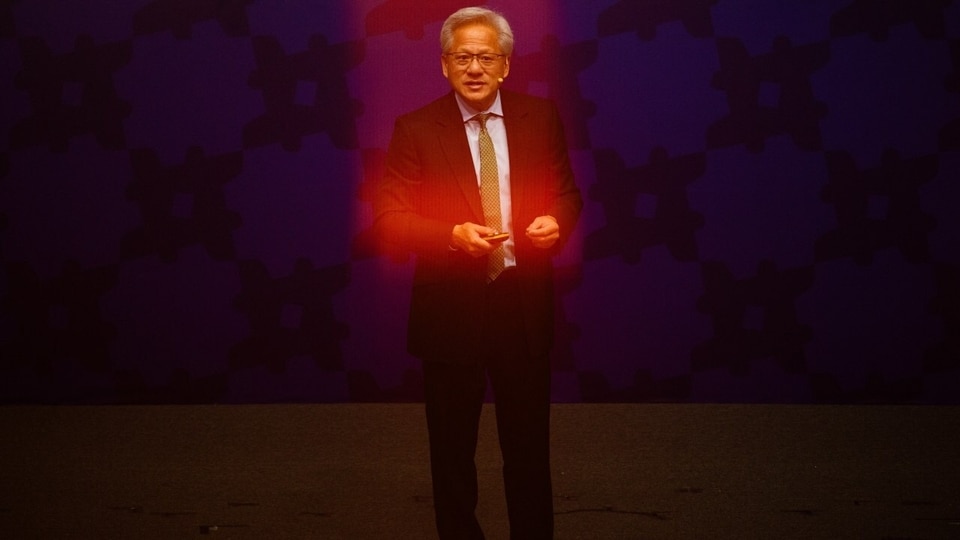
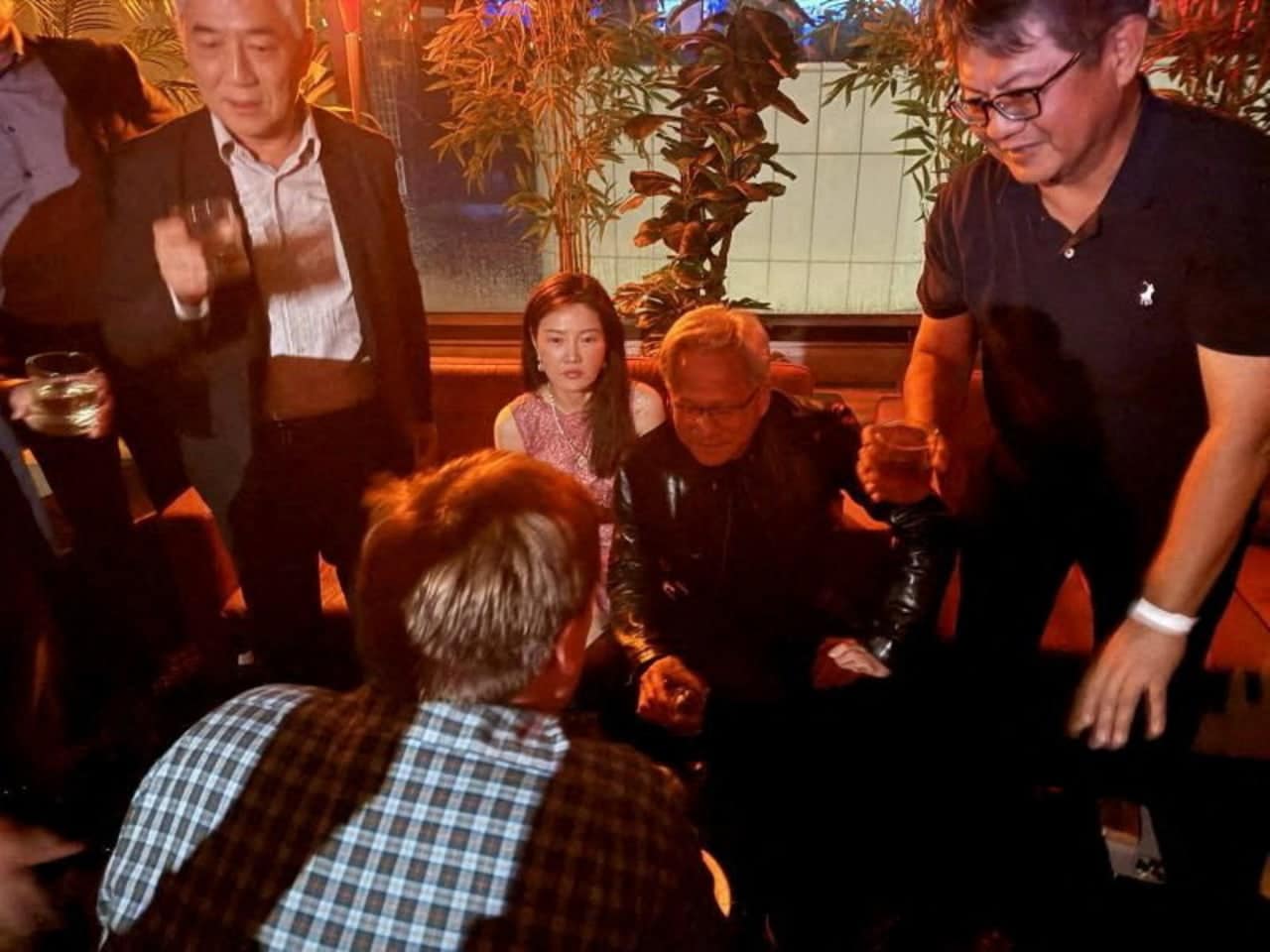
Late one night, a group of technology executives gathered at a bar. Among them was Alice Huang, then a top leader at a Singapore-based data center company.
Huang said she could likely persuade the Nvidia chief to join them. “Jensen’s a great friend of mine,” she said to the group, according to a tech executive who was present. She sent a text, and a few minutes later, Jensen Huang arrived and ordered a whiskey. He held forth briefly to the gathered executives, then left alone, saying he was tired, the person said.
Deep Dive
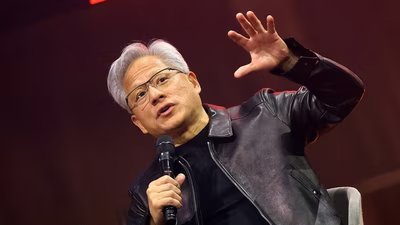
A photo from the evening posted on social media shows Jensen and Alice sitting side by side on a red banquette, he wearing his trademark leather jacket, she in a sleeveless top and pearl necklace.
Within months, the U.S. government would be investigating whether Alice Huang’s company, Megaspeed, was illegally diverting AI chips made by Nvidia for use in China, and authorities in Taiwan and Singapore would be probing what they suspected were her ties to China and its intelligence services.
It was the beginning of a reckoning that now threatens Huang’s leadership of his company and the AI industry that depends on its technology and financial help.
On Sunday, Nvidia’s board said it had launched an independent investigation into whether Huang had been the target of a foreign intelligence effort. The disclosure followed reports by The Wall Street Journal, the New York Times and other outlets that the U.S. government had concluded Alice Huang was likely sending information to Chinese intelligence while having a close relationship with Jensen Huang. The board said it had “no reason to believe that either national security or Nvidia secrets were compromised” and that it had “confidence in Jensen and his leadership team.”
Huang apologized for infidelity to his family and Nvidia colleagues in a staff memo. “I love our country and our company,” the CEO wrote.
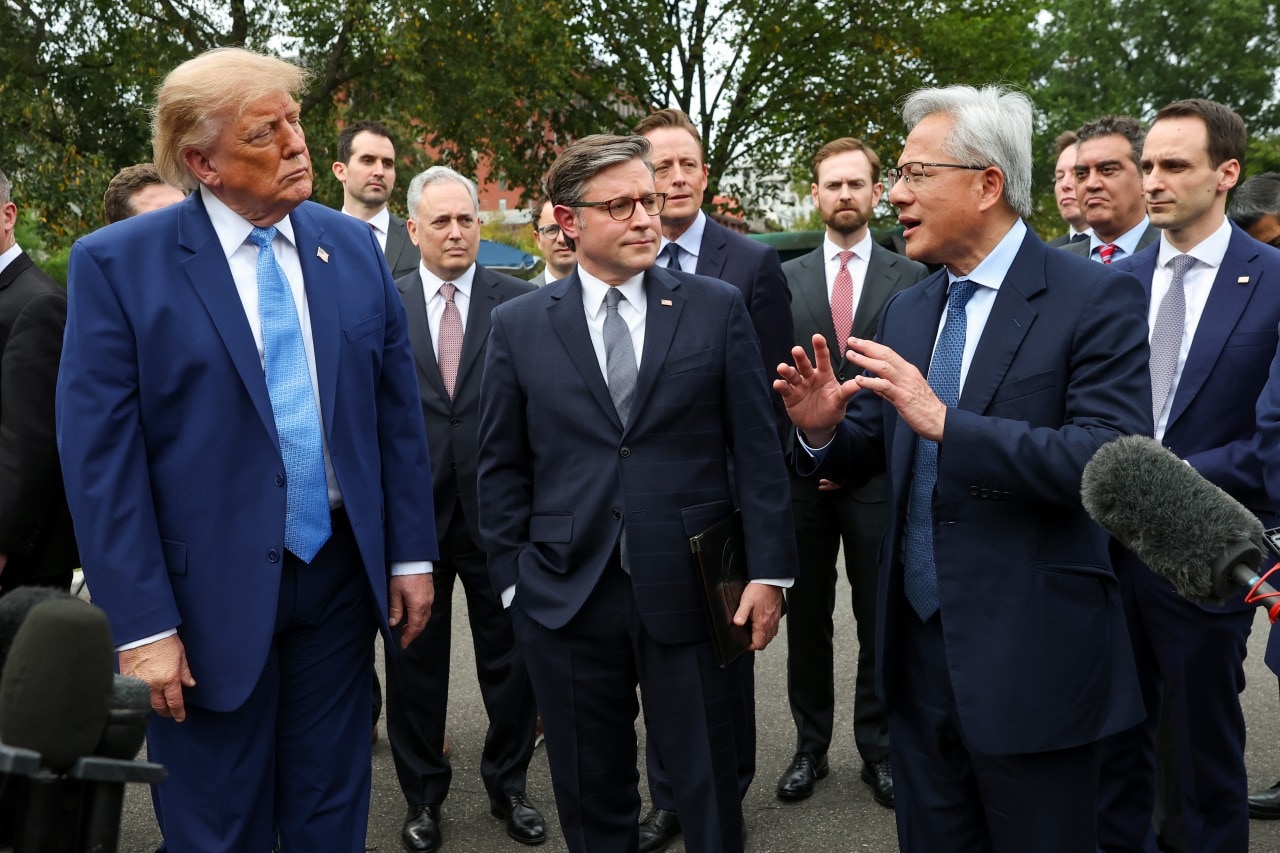
The revelations come against a tense backdrop in Washington, where different factions of the Trump administration have spent two years battling over AI policy and its role in the U.S.-China rivalry. They have raised sharp new questions about how Nvidia wielded its influence, aggressively lobbying for the ability to sell advanced AI chips to China, despite policies designed to preserve an American edge in the technology race.
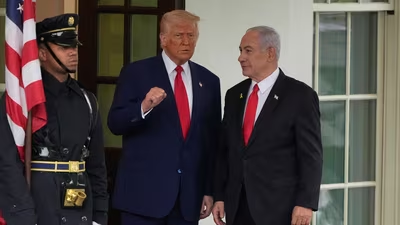
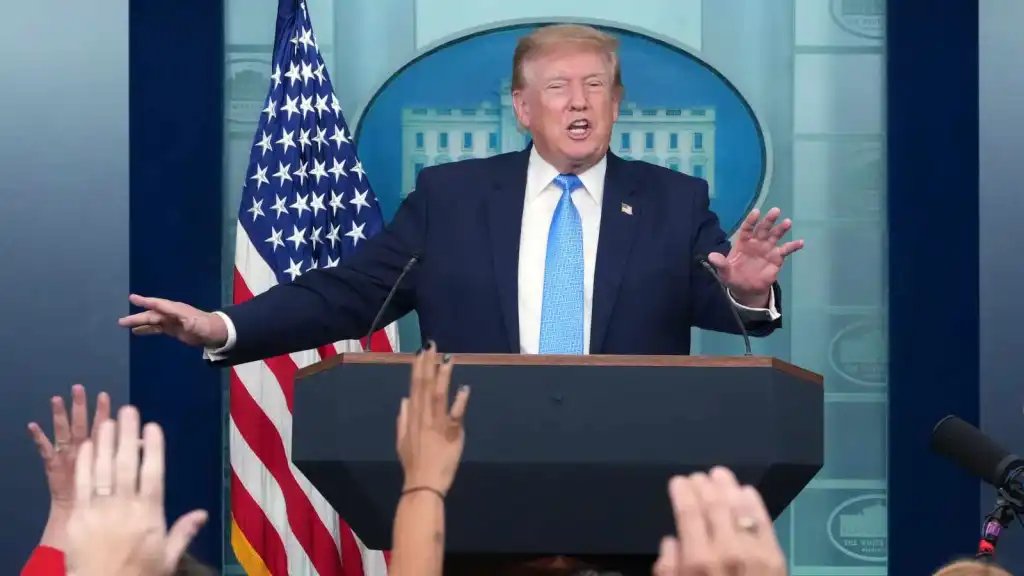
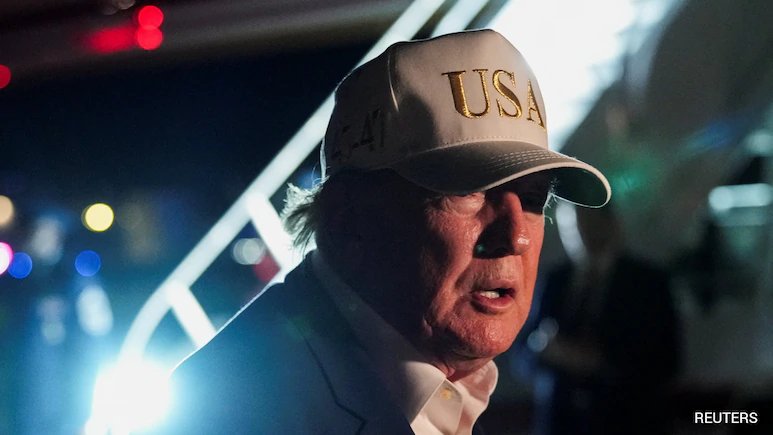
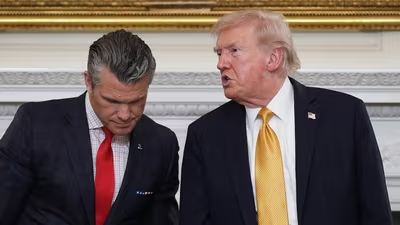
On Monday, President Trump said Huang had told him that “he had absolutely no idea that the person in question was a spy.” Trump also said he didn’t remember receiving classified information—included in a spring memo prepared under the supervision of Secretary of State Marco Rubio, according to people familiar with the matter—warning that Huang had a relationship with a suspected Chinese spy.
The Commerce Department’s Bureau of Industry and Security on Monday responded to a report by the New York Times that it walked away from an investigation into Megaspeed’s suspected chip diversion after an outreach by an Nvidia executive. “BIS conducts all enforcement strictly by the book,” a spokesman said.
An Nvidia spokesman said the company prohibited all sales and shipments to Megaspeed in June 2025, and that ban is still in place. Nvidia got permission from the Commerce Department unit overseeing export controls for parts and replacement components sent to the company since then, he said.
U.S. intelligence officials never gave Huang a warning that he might be a target of foreign intelligence efforts, often referred to as a defensive briefing, the spokesman said.
The saga came up during an intelligence briefing focused on Iran for top lawmakers Monday. Several from both parties said they hope to pass aggressive chip-export restrictions as part of a proposed defense-spending package. “Clearly in this environment with all the cyber threats and all the world of superintelligence, these types of things take on an added significance,” Senate Majority Leader John Thune (R., S.D.) said.
An Nvidia partner
A former television reporter for Chinese state media, Alice Huang joined Megaspeed in 2023 after a stint in the financial sector, and she was listed on a registration in Singapore as a company director from March to November 2023. The company, a spinoff of Chinese company 7Road Holdings, advertised itself as a cloud provider of Nvidia hardware for the Asia-Pacific region.
Alice Huang met Jensen Huang at an Nvidia event in California in March 2024, the Journal has reported. Soon after, they would meet up again at the cocktail bar in Taipei. The New York Times earlier reported on the gathering.
By later that year, authorities in several countries had grown concerned about Megaspeed’s ties to China. The company has previously stated that it is a legitimate and compliant company that didn’t engage in illegal activities.
The Commerce and Justice Departments opened an investigation into whether the company was smuggling chips into China, according to people familiar with the matter. Authorities in Singapore and Taiwan focused on Alice Huang, putting physical surveillance teams on her, The Journal has reported. Officials involved in those investigations suspected she was recruited by Chinese intelligence services after they learned of what they saw as a close relationship between her and the Nvidia chief.
Singapore’s Ministry of Home Affairs has denied that Singaporean authorities have investigated Alice Huang for alleged ties to China.
In November 2024, Donald Trump was elected again, ushering out the administration of President Joe Biden, which had treated access to AI chips as a national security priority and imposed strict export controls. Jensen Huang met with Trump shortly after he was inaugurated, discussing AI policy with Elon Musk. A few months later, Huang and his wife, Lori Huang, flew to Trump’s Mar-a-Lago club for a $1 million-a-head fundraiser.
Huang quickly emerged as one of President Trump’s top advisers on artificial intelligence, feeding the president talking points about the importance of maintaining America’s lead over China and praising his leadership on AI.
Some Trump advisers echoed Huang’s argument that encouraging China to buy American AI chips would slow the development of the country’s homegrown chip industry. Trump included Huang in a May 2025 trip to the Middle East, where he agreed to export Nvidia chips to Gulf nations.
That month, Huang returned to Taipei, where he was again photographed with Alice Huang, this time at a dinner where they could be seen kissing on the cheek and sharing touches on the arm. Efforts to reach Alice Huang were unsuccessful.
Seeking export licenses
Weeks later, Huang and his top lobbyists traveled to Washington, where they met with Deputy Secretary of State Christopher Landau. The Nvidia contingent argued that the government should approve export licenses for the H20, a chip Nvidia had designed for the Chinese market, people familiar with the meeting said. A few days later, after Huang met with Trump, the administration approved the sale of the H20, in return for 15% of China sales going to the U.S. Treasury.
Around the same time, Nvidia executives learned of the U.S. government investigations into Megaspeed. Tim Teter, Nvidia’s general counsel, reached out to BIS head Jeffrey Kessler, a little-known government official who wields influence over a broad portfolio of trade relationships, according to people familiar with the matter. The Times earlier reported on the outreach.
“When we have requests from customers for new shipments, service, or support, we have an obligation to resolve any potential ‘red flags’ before proceeding. That process can include asking [government agencies] whether they require any further information from us,” the Nvidia spokesman said.
Shortly after Teter’s outreach, officials from the Justice Department took control of the Megaspeed probe, giving their counterparts at the Commerce Department less of a role, according to people familiar with the matter.
One of the reasons: Justice Department officials worried that Kessler’s contact with Nvidia on a sensitive government matter that could affect their business had tainted the investigation, some of the people said.
In October 2025, Trump, preparing for a meeting with Chinese leader Xi Jinping in South Korea, told advisers he was considering allowing Nvidia to sell a new generation of AI chips in China as a trade-talks concession. A group of advisers including Secretary of State Marco Rubio and Commerce Secretary Howard Lutnick persuaded him it would harm national security.
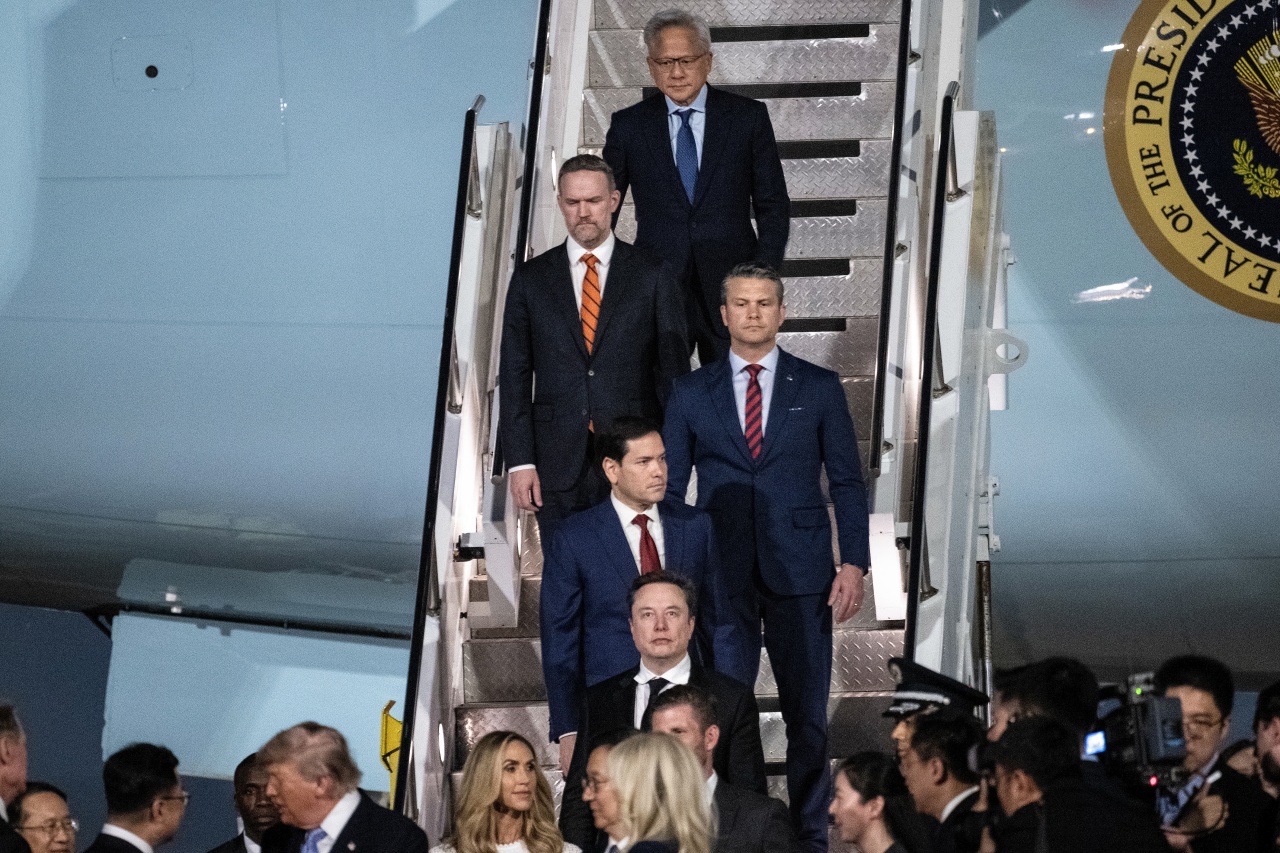
Before Trump’s trip to China to meet with Xi in May of this year, Rubio supervised the drafting of a classified memo warning that the Nvidia CEO had a personal relationship with a suspected Chinese spy and circulated it to top administration officials, people familiar with the matter said. Huang was initially left off the trip, then boarded Air Force One in Alaska.
Asked about the memo on Monday, Trump said it was possible his intelligence people had shown it to him, but he didn’t recall seeing it. “Certainly, it didn’t make much of an impact on me,” he said.
Write to Robbie Whelan at robbie.whelan@wsj.com and Amrith Ramkumar at amrith.ramkumar@wsj.com