A shocking case of the French underworld emerged recently after a court heard a case of two teenage boys being recruited by a drug gang and brutally assaulted for reported “shortfalls” in earnings.
The case came to the spotlight after a woman informed the police about receiving illegal drugs and a note by a young peddler alleging that he and his companion were being held captive and needed help, according to a BBC report. The court was reportedly told that the boys were regularly beaten and forced to dance naked in front of a camera, while one of them was raped.
Six men were given hefty sentences for the alleged torture of the two teenagers and evidence showed other boys in a similarly distressed condition, the report said. The case also turned the focus towards rampant drug-fuelled violence in France, particularly in its second largest city, Marseille.
Also Read | France faces new protests as Macron seeks to prevent repeat of October unrest
Drug violence in France
Several parts of Marseille are reportedly controlled by drug gangs, with police, lawyers and politicians describing an atmosphere of fear in these areas. DZ Mafia, which emerged from a bloody turf war, is Marseille’s most powerful gang and one of the most feared criminal organisations, a BBC investigation revealed.
The report further stated that the country’s expanding illegal drugs’ market has seen a surge in cocaine imports alongside high volumes of cannabis and synthetic drugs, which has helped the gang grow rapidly. Many of those distributing drugs are children and teenagers, who are not only recruited to sell drugs, but also to carry out kidnap, torture and murder.
These gangs have used social media to recruit young hitmen with promises of easy money, trapping them in a world of brutality and exploitation. Last year, more than 10,000 children were involved in drug trafficking in some way, according to official figures cited by the BBC.
How are children recruited by drug gangs?
Camil, now 20, told the BBC that he spent his teenage years with DZ Mafia only because of money. “They know how to get inside your head. Whatever you want, they give to you,” he said.
He said the gangs offered nice cars, spacious apartments, drugs and even sex workers, which evoked a sense of loyalty in young recruits. “You feel loyalty because of what they give you. You’ll stay until the very end, until either death or prison,” he added.
However, police and lawyers have warned that it is very hard for children to leave the underworld once they get in. Camil also said the gangs exploit any weakness they find in a recruit, adding, “You’re their b***h, it’s over.”
Social media has been quite successful in recruiting children for gang operations. The BBC report found several posts advertising jobs in Marseille for aspiring drivers, couriers and hitmen, attached with glamourised AI-generated images.
A former DZ Mafia member who is currently in prison awaiting trial, said he had carried out “shocking” killings as part of a hit squad. He described how large sums of money could be earned quickly in drug trafficking, but admitted that the environment was a “trap.”
A gang member name “Joe” said he was making €3,000 ( ₹3.15 lakh) a month when he was 13. Now he says that has risen to between €5,000 and €10,000 ( ₹10.47 lakh) every month. “It destroys people, but we all make our own choices,” he said when asked about the violence caused by his gang.
France’s response to drug gangs
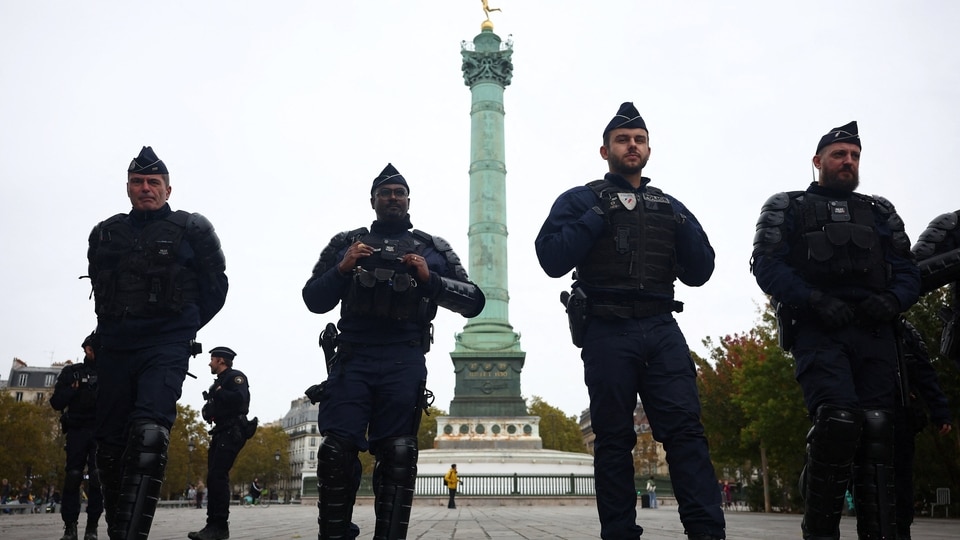
Earlier this year, the French government pledged to stamp out drug crime after shooters killed a 15-year-old in the western city of Nantes, while injuring a 13-year-old and a 14-year-old.
Dimitri Zoulas, the head of France’s anti-drug trafficking unit, said increasing drug crime has led to more road accidents, family violence, depressions, suicides and more than 700 overdoses each year. While police have had successes in Marseille and drug gangs in other cities, the use of social media in recruiting youngsters has frustrated the government’s fight against drug crime.