Like groceries, gasoline, housing, and pretty much everything else, the cost of power has soared since 2021. The average U.S. household’s utility bill now stands at $147 per month, according to Electricrates.org, and that’s just for electricity. Adding other utilities like water and gas raises this average up to $470 per month. People are being forced to get creative just to keep their lights turned on.
What if, however, you were able to use the very same companies benefiting from these rising electricity rates to help cover your monthly power costs? Well, given that most utility companies’ stocks are particularly good dividend payers, it’s not an outrageous idea. Here’s a closer idea of what sort of stake it would take.
Missed Nvidia in 2009? This Rare Signal Is Flashing Again. In 2009, a “Double Down” signal flashed for a little-known chipmaker called Nvidia. For the first time in years, that same “Total Conviction” signal is flashing for a company 1/100th the size of Nvidia. Continue »

Crunching the numbers
Every utility stock’s dividend yield is slightly different. Using the Vanguard Utilities ETF (NYSEMKT: VPU) as a proxy for the sector as a whole, the typical utility stock is currently yielding about 3.1%. That’s in line with Southern Company‘s (NYSE: SO) dividend yield, as well as that of the industry’s biggest name, NextEra Energy (NYSE: NEE).
So, if you wanted an investment in the average utility stock to generate $1,764 ($147 x 12 months) in spendable cash flow to cover your annual electricity bills, you’d need to invest nearly $60,000 in one of these three options. Assuming you’re opting for the VPU ETF, that would be about 335 shares, each of which is paying $5.20 in annual dividends right now (335 x $5.20 = $1,742). Adjust accordingly for NEE or SO, or potential changes to these stocks’ dividend payments in the meantime.
Never say never
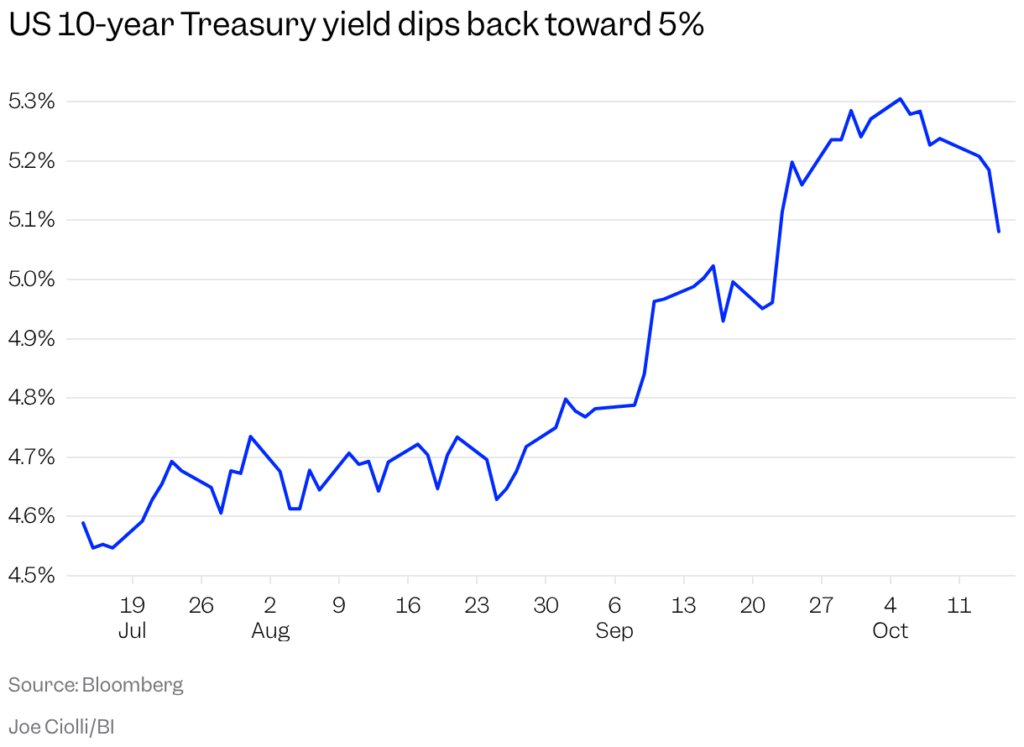
This would be a relatively unconventional use of dividend-paying investments, of course. But if you’ve exhausted all other options, difficult circumstances require out-of-the-box thinking. The one thing you certainly don’t want to do here is tack on more debt just to pay your bills if you’ve got a way of avoiding it, especially with interest rates as high as they are now.
Should you buy stock in Vanguard Utilities ETF right now?
Before you buy stock in Vanguard Utilities ETF, consider this:
The Motley Fool Stock Advisor analyst team just identified what they believe are the 10 best stocks for investors to buy now… and Vanguard Utilities ETF wasn’t one of them. The 10 stocks that made the cut could produce monster returns in the coming years.