Silent Epidemic: Diabetes Cases Climb In Kandhamal, Koraput & Mayurbhanj Amid Lifestyle Changes (ETV Bharat)
Bhubaneswar: Once considered an urban lifestyle disorder, diabetes is now taking the rural and tribal pockets of Odisha in its grip, emerging as a full-blown public health concern. Kandhamal, Koraput and Mayurbhanj districts, usually considered low-risk zones, are now witnessing a surge in cases as health experts attribute this shift to changing food habits, low awareness levels and limited access to early screening facilities.
Gaps in Screening Data
According to state government data, of the 72.5 lakh people aged above 30, nearly 63.8 lakh have been screened. Around 4.8 lakh people were identified as suspected cases and referred for further diagnosis. However, only about 62,177 cases have been confirmed so far, with 62,116 currently undergoing treatment, pointing to gaps in diagnosis and follow-up care.
Narrowing Urban-Rural Divide
While urban centres such as Bhubaneswar, Cuttack and Berhampur report higher prevalence, around 15% compared to 8-10% in rural areas, the gap is inching to a close contest between the two.
“Sedentary jobs, long office hours in the desk and lack of physical activity are the major factors leading to higher urban cases, but rural lifestyles are also changing fast,” said Dr. Jatin Kumar Majhi, a medical practitioner noting that diabetes now affects men and women almost equally.
Younger Population Most Affected
What is particularly concerning, doctors say, is the age the disease starts affecting. Earlier, diabetes was found mostly among people aged 40-50 years, but these days it is increasingly diagnosed in people between 20 and 40 years. Even children are not spared, with cases of Type-1 diabetes being reported in them.
Health experts warn that if unchecked, India could see nearly 50 crore people affected by diabetes in the coming years.
Lifestyle Changes Leading To Crisis
Doctors however identify two primary drivers: First, dietary shift. Increased consumption of processed foods, fast food, sugary beverages and high-calorie diets raises the risk. Second, lack of physical activity. Reduced exercise, prolonged screen time and desk work for hours, both among office-goers and children, are accelerating the trend.
“People are moving away from traditional diets to packaged and refined foods, while physical activity has drastically declined,” warned Dr Majhi.
Consumption of too much of cold drinks is also leading to diabetes. All these foods contain high calories which are more harmful to the body. People do not exercise neither do the youths like outdoor games. “The number of people with type-2 diabetes in urban areas like Bhubaneswar, Cuttack and Berhampur and rural areas is increasing at an alarming rate among people in their 20s and 30s,” informed Dr Majhi.
Symptoms Often Go Unnoticed
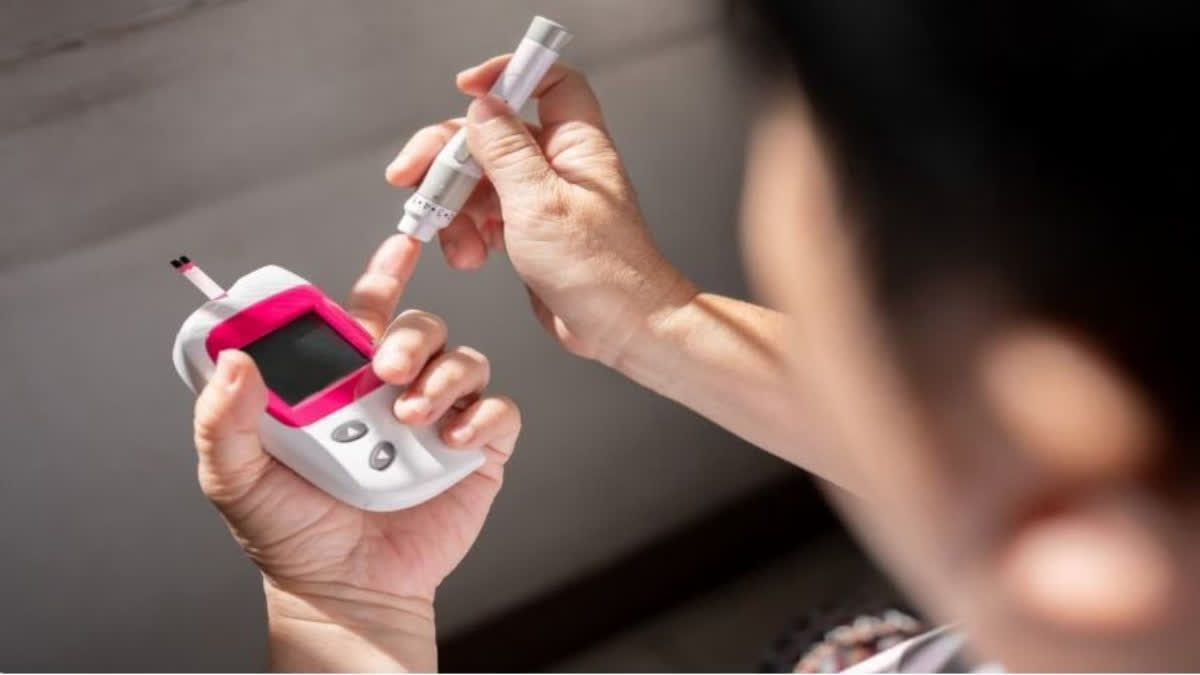
One of the biggest challenges is delayed detection. Diabetes often develops silently over 5-10 years before symptoms appear. Common warning signs include excessive thirst, frequent urination, unexplained weight loss, fatigue and slow-healing wounds.
Policy Push, But Awareness Key
The state government has initiated screening under the National Programme for Prevention and Control of Cancer, Diabetes, Cardiovascular Diseases and Stroke. “Besides, the state is promoting healthy eating through the Odisha Millet Mission,” informed Dr Majhi.
However, endocrinologists caution that policy interventions alone will not give the desirable change unless behavioural changes are undertaken.
A Crisis That Is Preventable
Doctors emphasise that diabetes management and prevention remain straightforward. A balanced calorie intake, reduced junk food consumption and even moderate daily exercise can significantly lower risk.
Yet, with rising cases in both urban and rural Odisha, particularly among the youth, endocrinologists and public health experts warn that the state may be heading towards an early and prolonged chronic disease burden unless awareness and lifestyle corrections are addresses immediately.
Also Read: