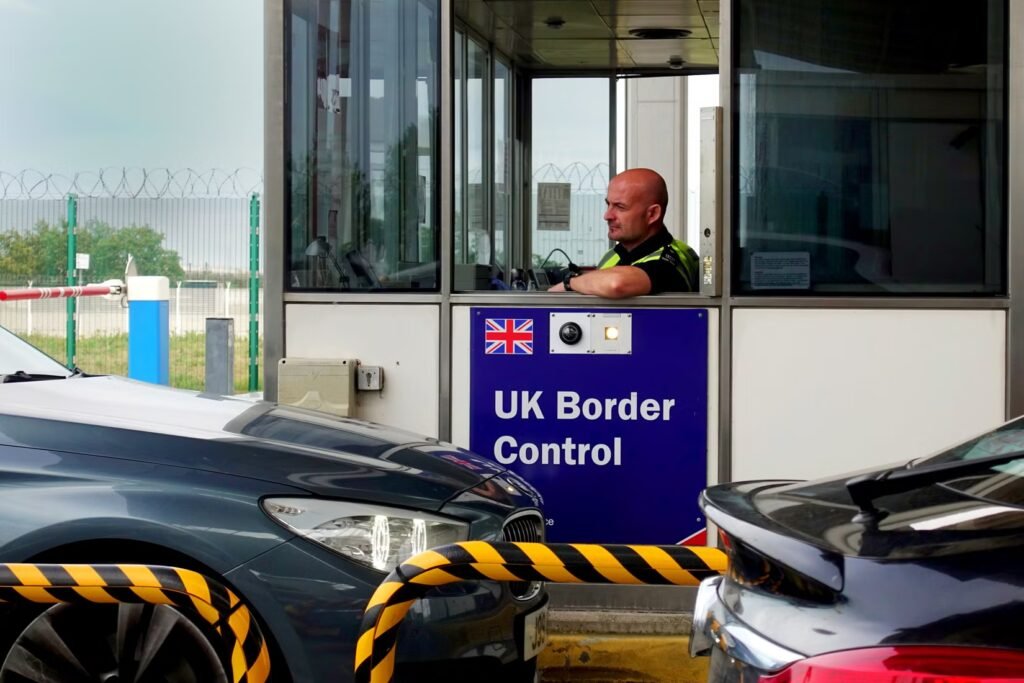
The Financial Times reports a sharp increase in visa refusals issued by the US Embassy in London against UK-based executives whose records include historic police cautions or non-conviction arrests, some dating back five decades. Immigration lawyers say consular officers are wielding the broad ‘214(b)’ discretion to deny B-1/B-2 and E-visa applications without explanation as part of Washington’s tougher ‘catch-and-revoke’ policy championed by Secretary of State Marco Rubio.
Tech founders, FTSE-100 board members and venture-capital partners have been among those turned away in recent weeks, forcing companies to cancel investor roadshows and delay US market launches. Several applicants had previously held multiple US visas but were rejected despite unchanged circumstances—an indication, lawyers say, of a new zero-tolerance instruction.
Attempts to submit applications through Paris, Dublin or Schengen posts are reportedly being rerouted back to London, closing traditional work-arounds. Consular data releases have also been curtailed, leaving mobility teams with limited visibility on refusal rates.
In this challenging climate, VisaHQ’s London-based specialists (https://www.visahq.com/united-kingdom/) can audit applicants’ travel histories, flag potential red-flags early, and coordinate timely waiver submissions, helping businesses keep critical travel plans on track despite the shifting U.S. visa landscape.
Practitioners now advise anyone with even a spent caution to factor in four to six months for a ‘waiver of ineligibility’ and to consider sending alternative staff. The crackdown coincides with the run-up to the November US elections and a broader tightening of security vetting, including social-media screening.
For UK-based multinationals the message is clear: pre-clear personnel files, schedule visa appointments well in advance and prepare contingency plans for last-minute refusals that could disrupt board meetings, trade-show appearances and M&A negotiations.