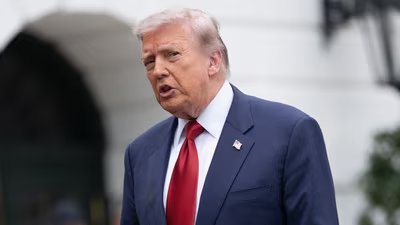
US President Donald Trump said on Sunday that he had reviewed Iran’s response to Washington’s peace proposal aimed at ending the war and said that he “does not like it”.

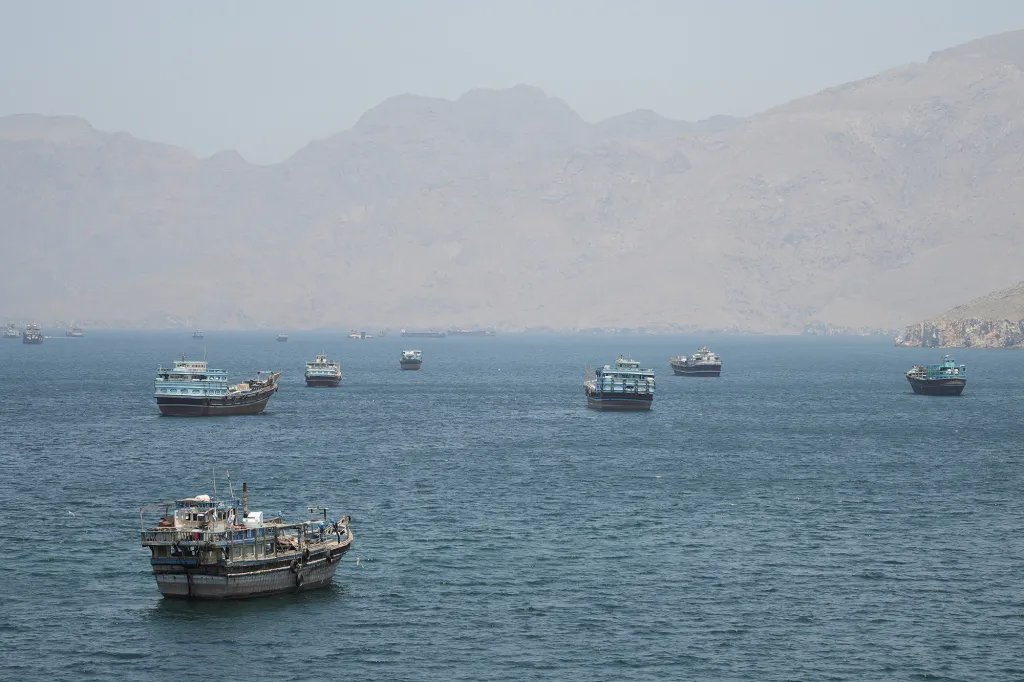
Notably, Iran’s response called for an end to the conflict across all fronts, including in Lebanon, where Israel has been fighting the Iran-backed Hezbollah group, and also pointed out the need to ensure the security of shipping routes, local media reported. Follow US-Iran war live updates here.
Trump rejects ‘unacceptable’ Iranian response
In a post on Truth Social, Trump indicated that he has rejected Iran’s response to a US proposal for ending the war in West Asia, deeming it “totally unacceptable.”
He wrote, “I have just read the response from Iran’s so-called “Representatives.” I don’t like it — TOTALLY UNACCEPTABLE!”
However, Trump gave no details on the Iranian response and the reasons for rejecting it.
Earlier on the same day, Trump accused Iran of “playing games” and mocking America for decades, while saying the country would soon be stopped.
“Iran has been playing games with the United States, and the rest of the World, for 47 years (DELAY, DELAY, DELAY!),” he wrote.
He also accused Tehran of “laughing at our now GREAT AGAIN Country” before adding: “They will be laughing no longer!”
Trump also hit out against former US president Barack Obama, claiming he was “great” for Tehran. He said Obama had given Iran “a major and very powerful new lease on life”.
Inside Iran’s response to peace proposal
The proposal delivered to the US through mediator Pakistan called for the need to end the war on all fronts and remove sanctions imposed on Tehran, Iran’s semi-official Tasnim news agency reported on Sunday, citing an informed source.
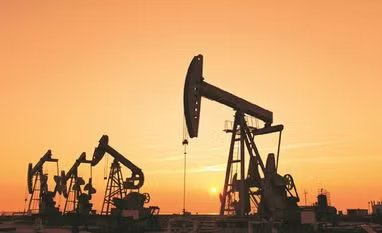
The report said the proposal also urged for the lifting of sanctions imposed by the US office of foreign assets control (OFAC) on Iranian oil sales during a 30-day period, along with an end to the naval blockade on Iran.
The Wall Street Journal, citing unnamed sources, reported that Iran had proposed diluting part of its highly enriched uranium stockpile and transferring the remaining material to a third country.
With inputs from agencies