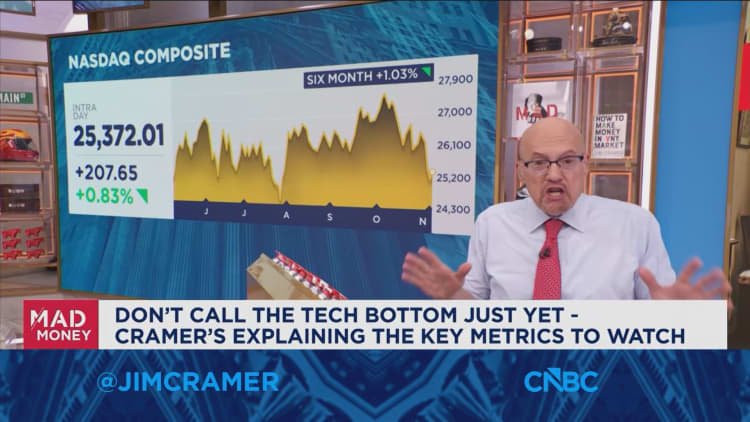
Stock futures tumbled as Democrats swept Congress, then roared back before sunrise, with the Dow (^DJI) on track for its best day since April 8. History says the bounce is easy and the next few weeks are harder.
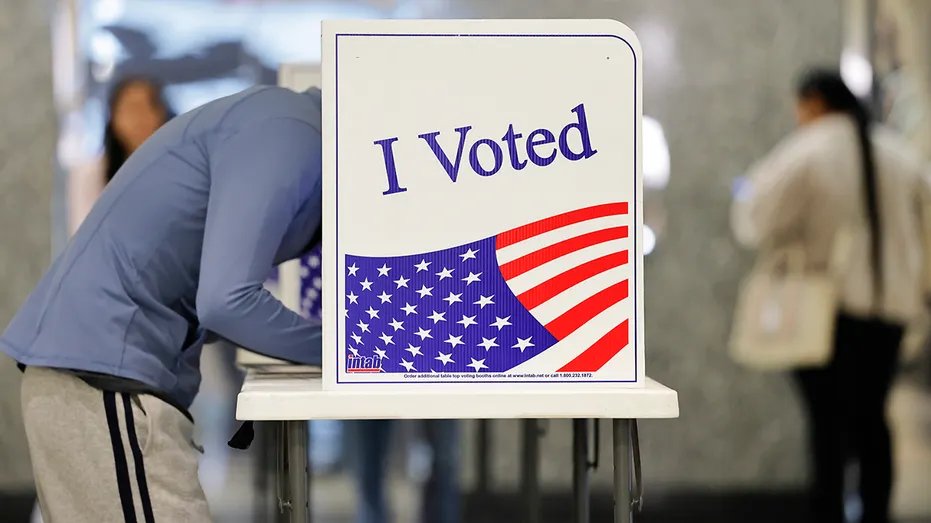
Election night went the way polls and prediction markets said it would. Democrats won control of both the House and the Senate, and futures slid as the results rolled in. Tech took the worst of it after a Democrat won the Texas governor’s race on a promise to halt new data center construction.
Then the buyers showed up, with small caps leading the way.
Don’t get too attached. Big reversals feel decisive in the moment, but they haven’t said much about what comes next. Since 1997, when S&P 500 (^GSPC) futures fell at least 1% during a session and then closed up 1% or more, the following week was about as likely to rise as any other week, according to Yahoo Finance calculations. After the biggest reversals, where futures erased a drop of 2% or more, they fell the next day nearly two out of three times.
Stocks have seen this movie before. On election night in 2016, S&P 500 futures plunged 5% and hit their limit down, then closed higher the next day. TKer editor and founder Sam Ro drew the same comparison Wednesday and warned against rushing to conclusions based on a couple of hours of trading.
The less cheerful precedent is 2018, the last time President Trump lost the House. Stocks rallied about 2% the day after that midterm, then fell about 6% over the next month on the way to a Christmas Eve low.
Small caps also deserve a reality check. The Russell 2000 (^RUT) beat the S&P 500 the day after the vote in only 5 of the past 11 midterms. The season that has favored small caps doesn’t start until mid-December.
The calendar already flashed a warning
Stocks went into Election Day in a hole. The eight sessions around a midterm vote, five before and three after, have been one of the S&P 500’s strongest stretches of the year, with gains in 18 of 19 midterms since 1950.
This year’s window opened at the Oct. 27 close, and the index was down 2% through Tuesday. That’s already a steeper loss than any full window since at least 1950, including 1994’s 1.3% drop, the only previous loser. To avoid becoming the second losing window in that stretch, the S&P 500 needs to climb about 2% from Tuesday’s close by Friday’s close.

When a pattern that reliable breaks down, it’s worth asking why. The only time the window lost money, in 1994, the Federal Reserve was raising rates. In 2018, another hiking year, the S&P 500 slid about 13% from the end of October to Christmas Eve.