In March 2025, as the world recoiled in response to Donald Trump’s trade tariffs and regressive economic agenda, Wall Street suffered swift and dramatic losses. Pressed for some kind of explanation, the president said at the time, “You can’t really watch the stock market.”
It was an unintentionally amusing comment, largely because Trump has spent years obsessing over the stock market — a pattern that intensified when he reached the White House and began to look at the major indexes as real-time barometers of his performance.
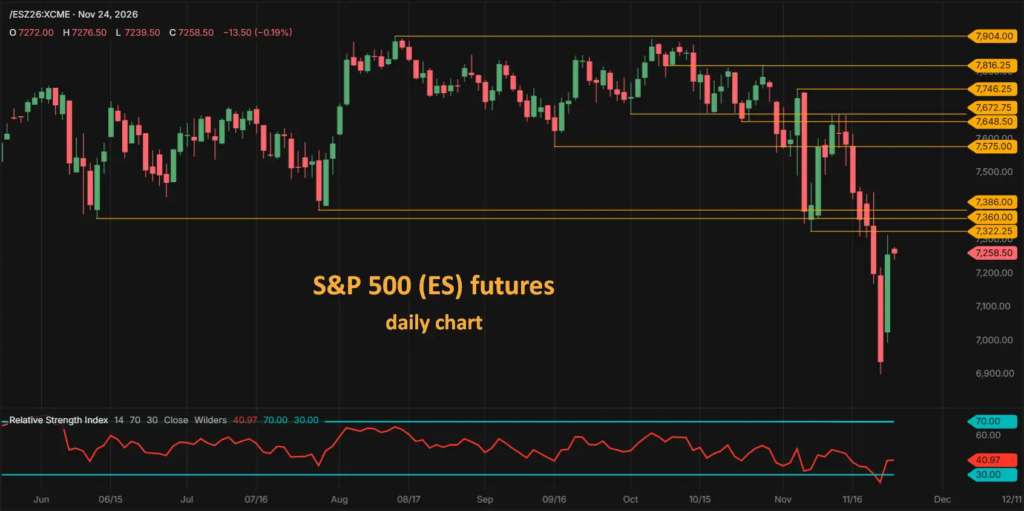
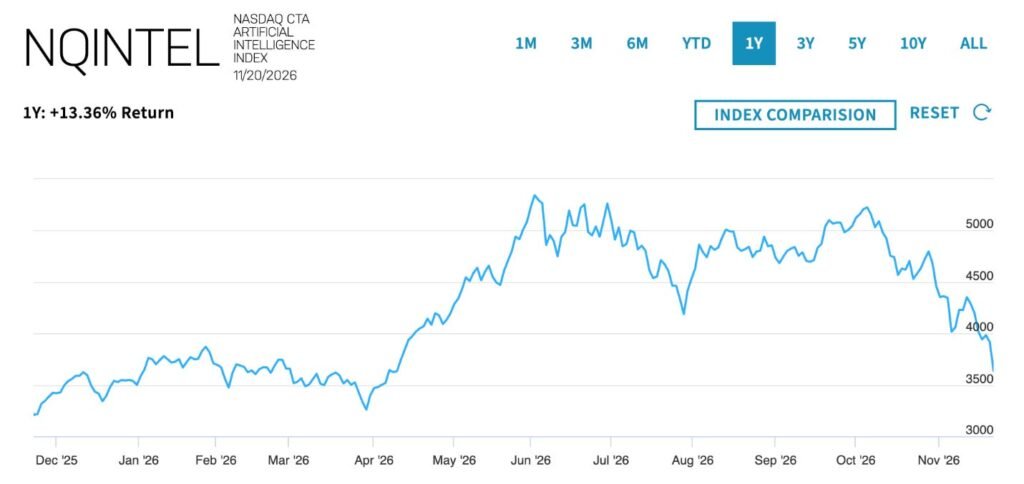
It’s precisely why, when the market goes up, the Republican scrambles to take credit, and when the market sinks, he reflexively tries to deflect blame. In recent weeks, as stocks have slid sharply, Trump has gone to almost comical lengths to convince Americans they should blame congressional Democrats — the same officials who won’t actually have any power on Capitol Hill until early January and who have literally nothing to do with the concerns about the tech sector that have dragged down Wall Street.
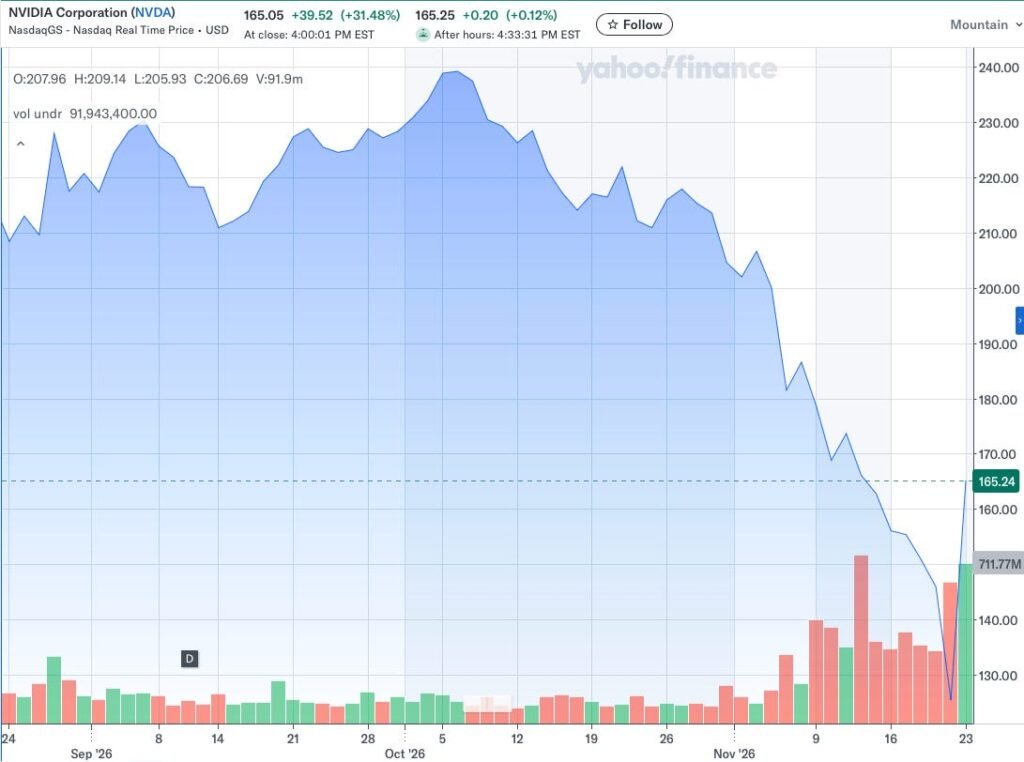
But less funny was the degree to which the incumbent president again prioritized the stock market, even above national security, when he helped orchestrate Jensen Huang’s return to Nvidia. A New York Times analysis summarized:
By his own account, President Trump was watching the stock market slide and decided to stop it. He would take it upon himself to determine who should lead one of the nation’s largest companies. Never mind national security concerns, never mind the autonomy of the private sector. Mr. Trump would decide. […]
Everything about Mr. Trump’s handling of the scandal behind Mr. Huang’s fall and swift rise again has been astonishing: The president’s denial that he knew about Mr. Huang’s affair with an alleged Chinese intelligence asset even though reports indicate he was informed at least twice. His shoulder-shrugging nonchalance about one of his tech lord donors in bed with an asset for a hostile power. And now his decision to bolster the wealth of investors over the warnings of his own intelligence agencies.
Trump sought a specific outcome by directly lobbying a private company’s board of directors to reinstate an ally as CEO, and he received the results he demanded. Huang returned to work, and at least for one day, markets soared. It was a move that even benefited the Republican personally, given his own investments in Nvidia. (The White House has said that third parties manage Trump’s stocks and that he’s not involved in the trades.)