A broad liquidation swept stocks, commodities, and metals as the US dollar and Japanese yen surged. Unlike last week, Fed rate hike bets are fading. Is a whiff of crisis in the air?
- Stocks, commodities, and precious metals sold off together as correlations tightened
- Treasury bonds rose and Fed rate hike bets eased, pointing to risk aversion over inflation fears
- US retail sales data and a flood of Fed commentary may test the market’s new read
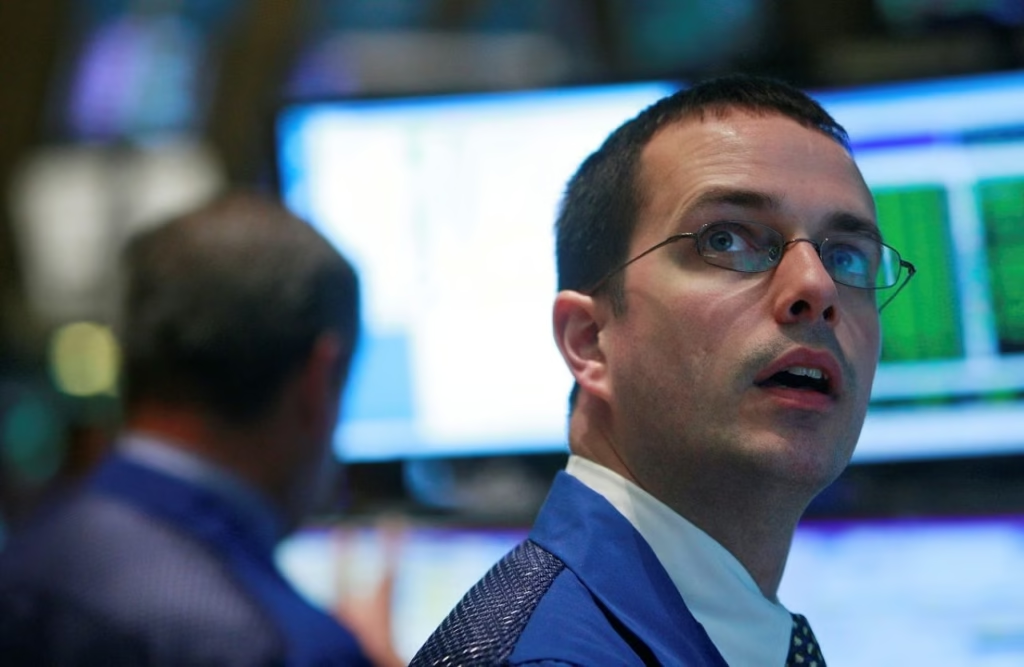
Stock markets started the week with a brutal selloff. Big tech led the way lower, with Nvidia down more than 4% and Alphabet down nearly as much, while Tesla and Amazon each fell over 3%. The damage spread far beyond tech. An equal-weighted view of the S&P 500 showed the overwhelming majority of names under heavy selling pressure, with only a few isolated pockets of resilience.
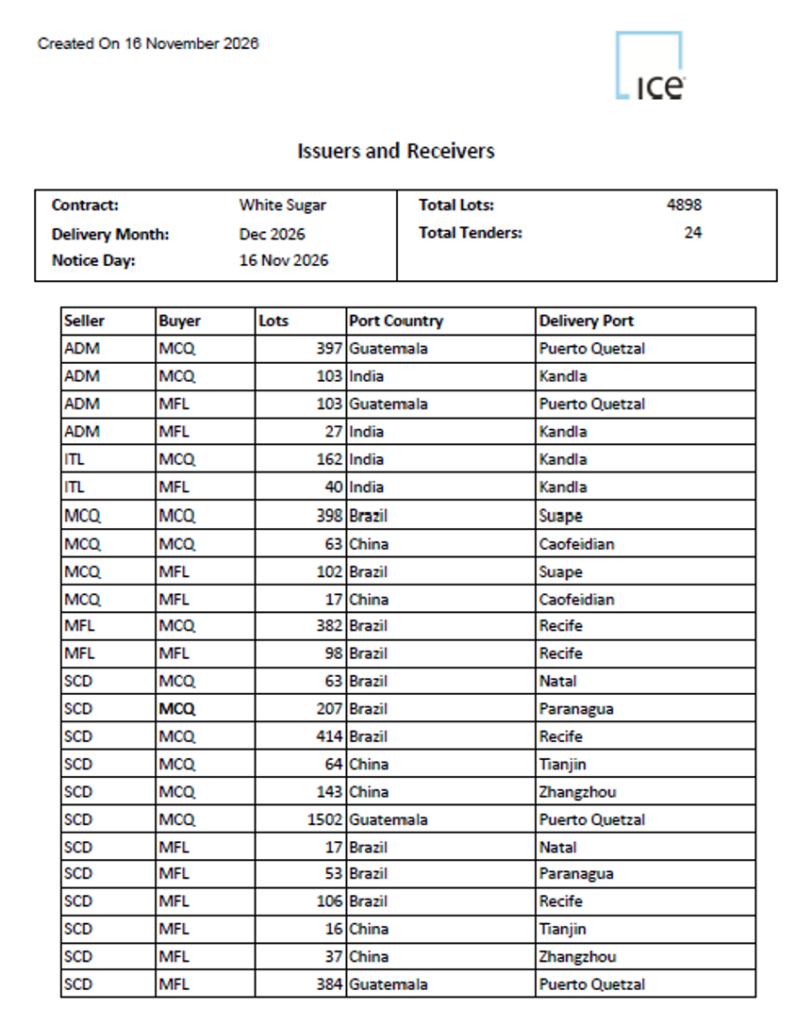
That looks like liquidation. When correlations tighten and narratives converge, investors stop caring which stock or sector they own and simply want to cut risk and move to cash. Futures markets echoed the same dynamic. Crude oil, sugar, lumber, and cotton fell, along with European and Asian stocks, Bitcoin, palladium, and silver.
The S&P 500 slumped nearly 2%, retreating from well-worn resistance below the 7700 figure. The tech-heavy Nasdaq 100 fell further and seems intent on a slide back toward the lows set after the US midterm elections. This looks different from early October, when an attempt at rotation out of tech briefly tried to get underway.
Are metals and currencies flashing crisis signals?
The precious metals are bearing some of the heaviest selling. Gold limped below recent lows, while the more risk-sensitive silver crashed through support and seems intent on extending lower. Nothing in the backdrop is inherently negative for the metals. Investors nursing losses elsewhere appear to be selling what can be easily turned into cash.
The US dollar is up against its major counterparts. The Japanese yen, a go-to funding currency, is also gaining amid what looks like an unwinding of carry trades. The Australian dollar is hit hardest as the most risk-sensitive of the majors. The euro and Canadian dollar are sliding too, while the British pound is nearing key support levels in play since March.
This kind of price action tends to appear when investors stop caring about returns and start caring about getting their money out of harm’s way. A crisis may not be at hand yet, but markets are starting to behave as though one could be gathering.
Why are Fed rate hike bets fading?
The most telling clue comes from the bond market. Last week, the US dollar rallied and gold and silver struggled for a straightforward reason. Hot consumer price index (CPI) data stoked bets that the Fed would raise rates more than expected, sending bond prices lower and yields higher.
This time, Treasuries are rising across the curve. Two-year notes, the most sensitive to near-term policy expectations, jumped, and longer maturities are firming as yields unclench. Late last week, traders appeared to be swapping 2026 rate hikes for 2027 ones. Now, the priced-in outlook for both has turned somewhat less hawkish.
A 25-basis-point (bps) hike in December remains fully priced at a nearly 96% probability, as the Fed signaled in its September Summary of Economic Projections (SEP). Markets also see follow-on hikes in March and June. That leaves a 50bps gap between markets and the Fed, which projects none for 2027. Only days ago, though, traders were contemplating as many as three hikes next year.
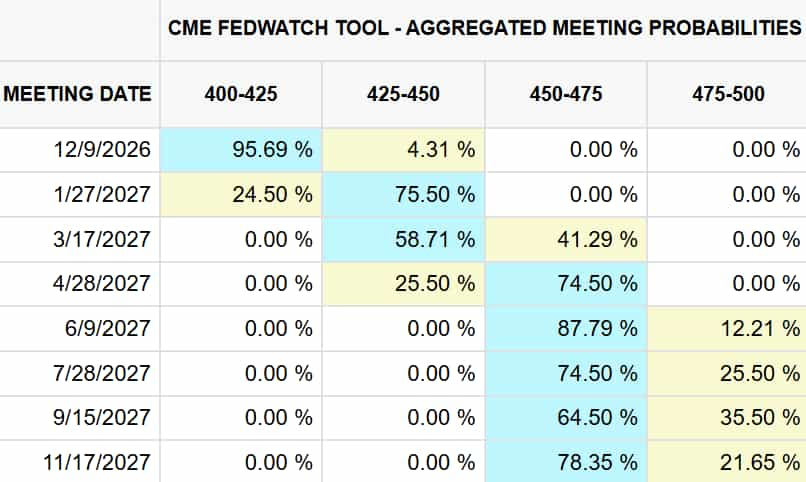
That step back suggests the selling in metals and the rally in the dollar point to risk aversion, with inflation worries taking a back seat. If the wheels are coming off, the Fed may have to backpedal, or markets may at least need to price a less aggressive path.
The week ahead may test that read. US retail sales data due Tuesday is expected to show spending growth slowing to 0.2% month-on-month in October from 0.8% previously.
Fed commentary is plentiful. Governor Christopher Waller, who has moved markets with hawkish remarks, speaks twice, as does Cleveland Fed President Beth Hammack, another hawk. New York Fed President John Williams, often seen as the voice of the committee’s consensus, is also on the docket.
Minutes from the latest Federal Open Market Committee (FOMC) meeting are due Wednesday. If officials sound less committed to further tightening, the rally in bonds may extend, while stocks and the metals may find it hard to recover.
Ilya Spivak, tastylive Head of Global Macro, has over 15 years of experience in trading strategy. He specializes in identifying thematic moves in currencies, commodities, interest rates and equities. He hosts Macro Money and co-hosts Overtime, Monday-Thursday. @Ilyaspivak
For live daily programming, market news and commentary, visit tastylive.com or @tastyliveshow on YouTube
Trade with a better broker, open a tastytrade account today. tastylive, Inc. and tastytrade, Inc. are separate but affiliated companies.