Buying a new phone can be expensive, especially if users are looking at each brand’s flagship models, which can cost far more than other devices on the market. Because of that price, many people try to extend a phone’s lifespan as much as possible, even ignoring some signs of deterioration along the way, like slower app launches or even heavy battery drain.
However, even if these mobile devices do not have an implied expiration date, some industry experts suggest that the need for an upgrade is usually shorter than the hardware’s durability might imply. That is because, while the casing can be long-lasting in the hands of someone careful, the same does not hold for the battery and processor, which can struggle to keep up with prolonged use.
So, how old is too old to upgrade a phone? Although the answer varies by user profile, some security and performance metrics should not be ignored when deciding whether to replace an old phone with a new one. Sticking with an older device can create unnecessary problems, such as data leaks and performance drops, so it is important to understand each device’s lifecycle.
How old is too old for a phone according to software cycles?
One of the most significant factors users should consider when deciding whether to replace a phone is its software lifecycle. Updates are more critical than potential hardware issues a user may encounter, since they ultimately determine how long a manufacturer will support a device. Apple, for example, states that an iPhone is vintage five years after its launch and obsolete seven years after its launch. After that, Apple discontinues the devices — as it did for 17 such products in 2025 — and they usually stop receiving security patches, making phones more vulnerable to malware and exploits that can steal bank data, for example.
Each brand tends to have its own update lifecycle, and that information plays a decisive role in determining how old is too old to upgrade a phone. For Android users, the track record used to be much shorter support, often limited to a device’s first two or three years. However, in recent years, manufacturers like Samsung have offered longer update cycles for their flagship models, even if the reality for most midrange phones still follows the old rule.
Another important software point is compatibility, since updates for apps like WhatsApp, Uber, and similar services typically target the latest system versions for each phone. These updates happen frequently, and support for older versions is often cut over time. So, even if a phone turns on and works normally, it may not have the software needed to keep running.
Why you should upgrade your phone before the battery dies
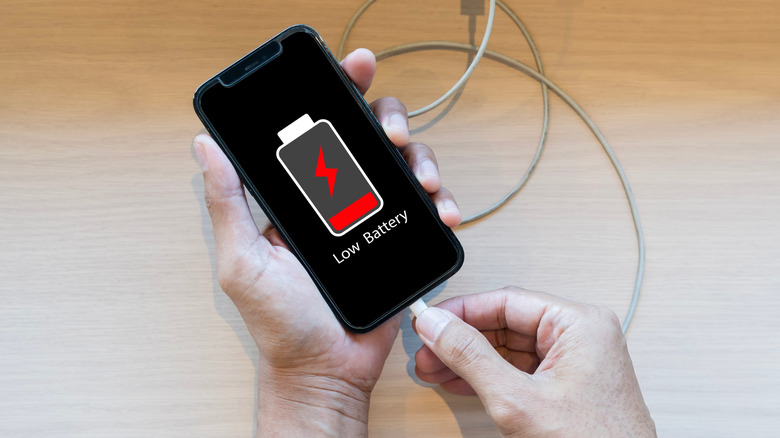
Security and software updates can cause usability problems for users, especially with app compatibility — for example, WhatsApp has stopped working on older iPhones. However, another sign that a phone is getting too old and needs an upgrade is its battery, which users can notice over time, as a device needs to charge more often after a few years.
That is because a phone battery’s health typically has a set number of full charge cycles before it loses its original capacity, around 500–1000 cycles, which comes close to two or three years of use. After that period, its capacity frequently drops to 80%, slightly reducing a phone’s ability to function as it did when it was new.
So, even if a user wants to extend a phone’s lifespan as long as possible and considers it in good shape because of the casing, the internal parts, like the battery, may still completely ruin the experience. Freezing, or even being unable to use the phone in urgent moments, are signs that it is getting old, so it is better to sell it before the battery capacity is fully reduced and use the money to upgrade to a new model.