[The content of this article has been produced by our advertising partner.]
A new international network, Global Connect – Global Innovation Exchange (GIE), was set to facilitate scale-ups win business, raise capital and find partners as they move between Hong Kong, the Chinese mainland and overseas markets.
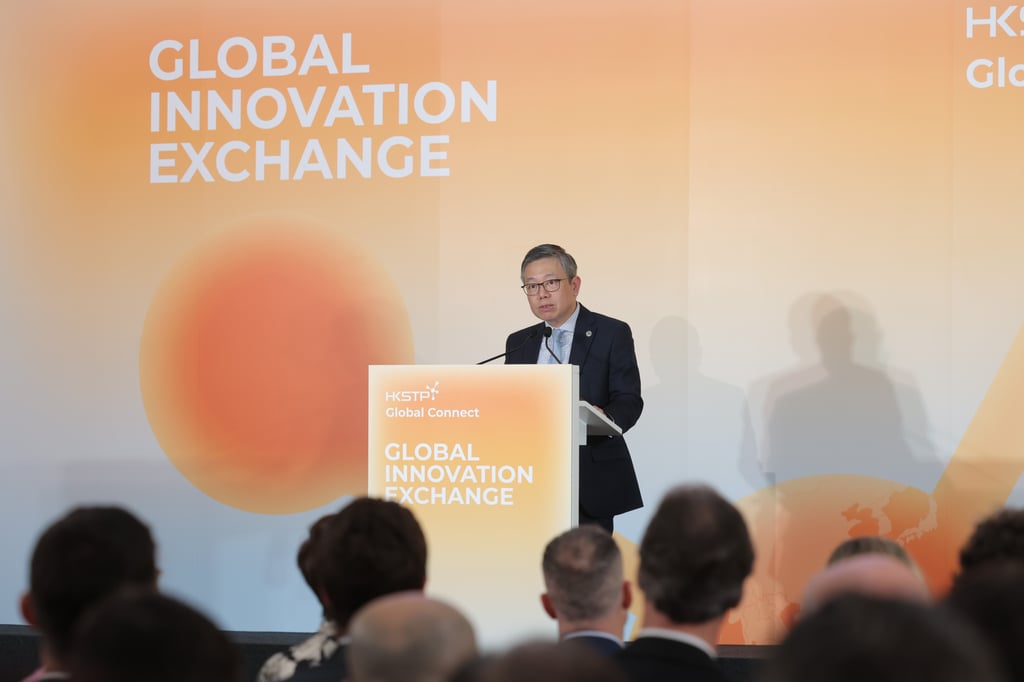
According to HKSTP, the Global Connect initiative was first set in motion to open doors for tech ventures and innovation communities around the world—with entities in the circle currently at over 5,000—under that comes programmes such as Soft Landing, a virtual testing field subsidised for groundwork in the local market, and GIE, an engine designed to create a pull for innovation and technology (I&T) ecosystems from around the world to Hong Kong and the Greater Bay Area (GBA), with the aim of increasing the exposure and impact of emerging start-ups and solutions. Conversely, local tech gets the thrust into exploring international markets and the opportunities that might bring, which goes into further developing their solutions.
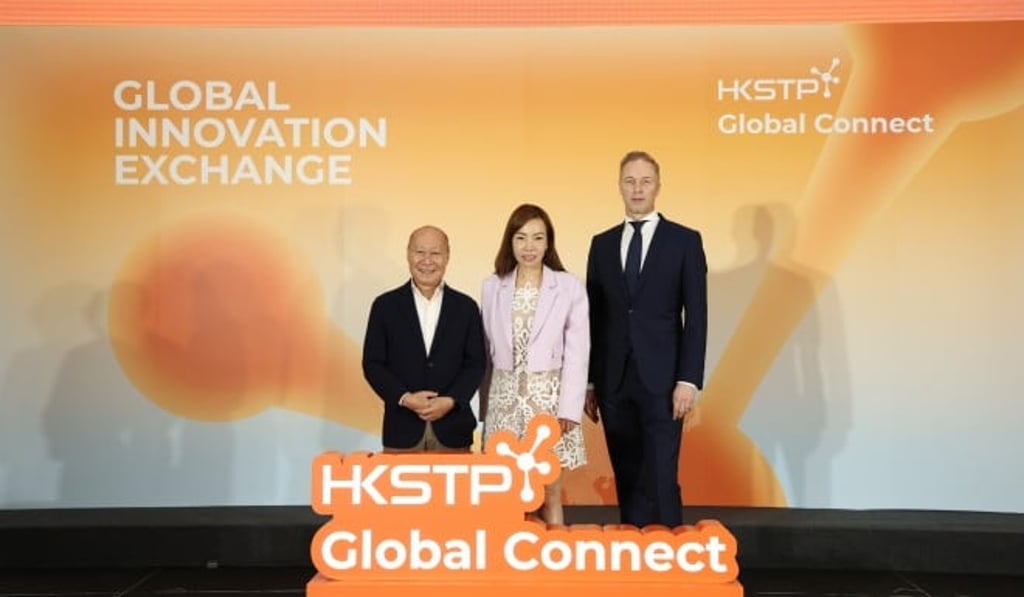
HKSTP had introduced GIE with full confidence that it would bring international networks, delegations and innovation communities together, allowing them to connect with more seamless access to broader resources, said Terry Wong, chief executive officer of HKSTP, at the opening ceremony.
Pheona Kan, director of new ventures at HKSTP, said start-ups typically focus on three immediate needs as they grow: raising capital, winning business and securing the resources needed to scale up.
She said one of the goals was to strengthen HKSTP’s role as a world-class international I&T super-connector through a structured, trusted platform that connects ecosystems instead of relying on occasional exchanges.
GIE was described by Kan as “a virtual community” under Global Connect initiative. HKSTP already supports companies through its physical set-up in the city and the next, the Shenzhen Branch of Hong Kong Science Park, the new platform, however, is intended to offer an integrated access to multiple functions including matchmaking openings, launchpad-type support and mentorship.
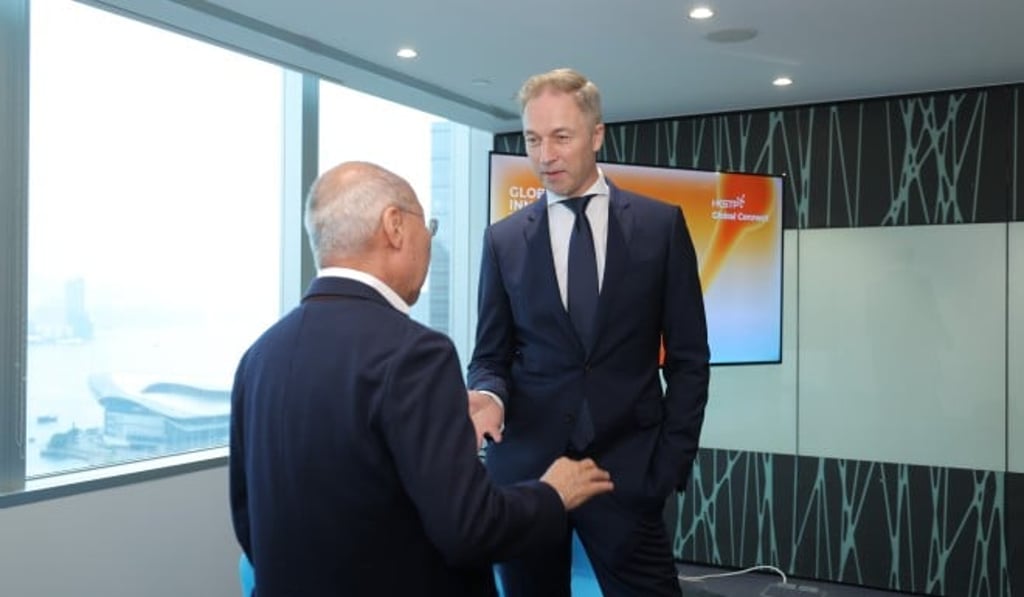
The case for Hong Kong from the Dutch side was put by Maurits ter Kuile, Consul-General of the Netherlands in Hong Kong and Macao, who said: “Hong Kong is an interesting spot for Dutch companies that are looking to explore the Chinese market.”
He said language, regulations, taxes and the city’s international orientation all added up in presenting a traction for the GIE to looking like “an appealing concept to give them a leg up.”
Ter Kuile said helping Dutch companies looking to do business internationally and finding useful points of entry falls under the roles of the Dutch consulate.
“When we learned of this initiative, we thought this is a very interesting way of supporting Dutch businesses that want to branch out and get right into work,” he said.
“The only way to do so is if you see each other face to face, if you meet up,” said ter Kuile, adding that he had been struck by the way policy, infrastructure and regulation can work together to produce an ecosystem in which opportunities can appear quickly for the right companies.
Ter Kuile recalled meeting a Dutch company based at HKSTP that had arrived in Hong Kong with not much more than a suitcase and a business partner, but quickly found support because of the way its business plan matched market priorities.
“If you look at that context and you have a good plan that fits in, you’re simply pushing against an open door,” he said.
He also referred to a large Dutch biotech delegation that had recently visited the Chinese mainland and then Hong Kong, saying the group had seen “many opportunities for collaboration in that field.”
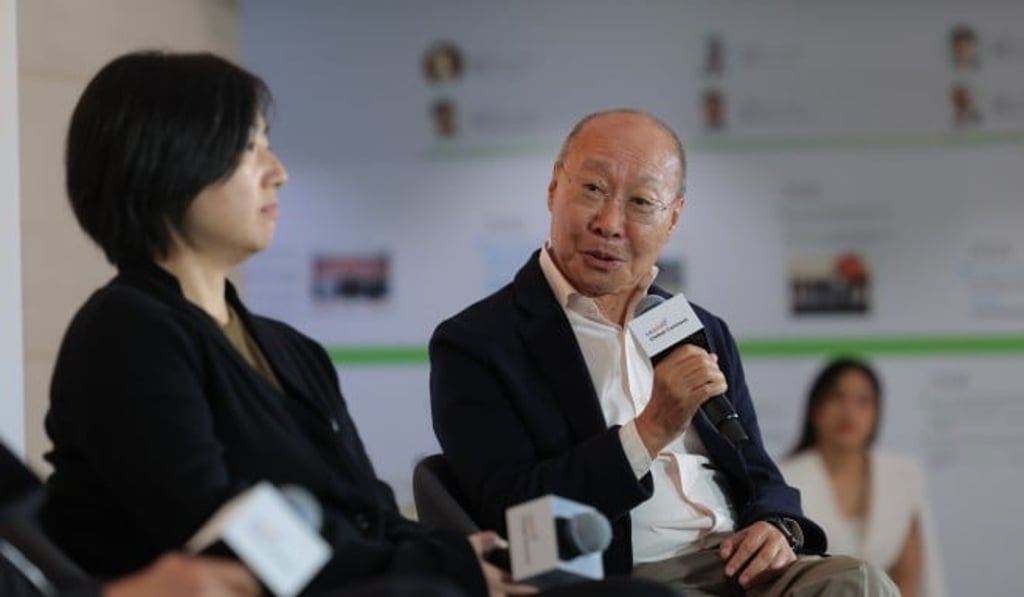
Among the park companies at the event was Immuno Cure BioTech, a Hong Kong-based biotech company spun out of the University of Hong Kong and focused on developing a functional cure for HIV.
Tom Lau, its co-founder and director of corporate finance, said the company was running clinical trials in both Hong Kong and the Chinese mainland, with early results giving the company confidence that it was moving towards a breakthrough.
He added that HKSTP had supported its growth through shared lab facilities, business matching, strategic partners and investors. That support, he said, had helped the company grow quickly over the past five years.