![[Health Byte] Is Your Shanghai Lifestyle Quietly Wrecking Your Metabolism?](https://obj.shine.cn/files/2026/03/31/37d2d77f-8d96-4d05-bf71-0e8fae65dd60_0.jpg)
Health Byte is your insider guide to navigating Shanghai’s health maze. From the labyrinth of public and private healthcare options to the pulse of cutting-edge medical services, we’ve got you covered. Each bite-sized article ends with a health tip, making wellness in the city more accessible than ever. Wondering about hospital features, where to find bilingual medics, or the scoop on insurance coverage? Health Byte breaks it down, offering clear, actionable insights.
Caption: Shot by Dong Jun. Edited by Dong Jun. Subtitles by Cai Wenjun.
Sugar, Skin and the Slow Burn of a National Health Crisis
Anti-glycation (the process of preventing sugar molecules from binding to proteins and damaging cells, which accelerates aging and disease) has become the wellness topic of the moment, particularly among women who are paying close attention to their skin. Whether it belongs in the same category as jade rollers and collagen supplements, or whether there’s actual science behind it, depends entirely on who you are and what’s happening inside your body. The answer, as it turns out, is not the same for everyone.
China’s Diabetes Problem, By the Numbers
Start with the baseline. Diabetes now affects over 540 million people worldwide, and China carries more of that burden than any other country, roughly one in four of the global total. A study from the Chinese Center for Disease Control and Prevention tracked national prevalence from 7.53 percent in 2005 to 13.7 percent in 2023, putting the total patient count at 233 million. Beijing, Tianjin and Shanghai lead the country in diabetes burden. The drivers are familiar: obesity, sedentary lifestyles and a generational dietary shift that has hit people under 40 particularly hard. Without serious intervention, prevalence could reach 29.1 percent by 2050. Effective obesity control, however, could hold that figure below 15 percent. The arithmetic is straightforward.
![[Health Byte] Is Your Shanghai Lifestyle Quietly Wrecking Your Metabolism?](https://obj.shine.cn/files/2026/03/23/54215e23-078d-4e0b-9fa6-3245f26e3366_0.jpg?x-image-process=style/style-watermark)
Credit: Dong Jun / Shanghai Daily
Caption: Dr Zheng Min, vice director of Shanghai Yueyang Hospital’s endocrinology department, talks to a patient on blood sugar control.
Where TCM and Modern Medicine Diverge
Modern medicine’s primary tool for diabetes is hypoglycemic (blood-sugar-lowering) treatment: identify elevated glucose, bring it down, monitor. Dr Zheng Min, vice director of endocrinology at Shanghai Yueyang Hospital, describes TCM’s approach as starting from a different premise entirely. “Blood sugar disorders are not just a problem of high glucose levels,” she says, “but are closely related to one’s overall physical constitution. The key to TCM treatment is to balance organs, qi (vital energy), blood, yin (cooling, restorative energy) and yang (active, warming energy).”
In practice, this means TCM begins by identifying the root cause of abnormal glucose metabolism (the body’s process of converting food into usable energy) in each patient. Qi deficiency (low vital energy, often presenting as fatigue and poor digestion), yin deficiency (insufficient cooling energy, associated with dryness and heat symptoms), phlegm-dampness (a buildup of metabolic waste that sluggishes the system), blood stasis (poor circulation at the cellular level): Each points toward a different treatment strategy. The strength of the approach, and Zheng is clear on this, is the individualized plan rather than the standardized protocol.
Catching It Before It Starts
The prediabetic stage is where the most interesting work happens. Pancreatic function (the pancreas produces insulin, which regulates blood sugar) and general metabolism can be in measurable decline before a diabetes diagnosis is anywhere in sight. At this point, intervention can still reverse the trajectory rather than just slow it. That intervention is not only dietary. TCM brings a full toolkit: personalized herbal prescriptions calibrated to constitution, futie (herbal patches applied externally to specific points on the body), acupuncture, acupressure and medicated foot baths. Used together, they aim to correct early metabolic and organ dysfunction before it locks in.
As for the anti-glycation panic, Zheng is measured about it. “People with healthy metabolism, good sleep, regular exercise and balanced daily routines can adequately process sugar,” she says. Cutting out all sugar is not the answer, and for people whose systems are functioning well, strict restriction is unnecessary. The real question is whether your system is actually functioning as well as you think it is.
![[Health Byte] Is Your Shanghai Lifestyle Quietly Wrecking Your Metabolism?](https://obj.shine.cn/files/2026/03/23/8105749f-b9fa-4644-bd4b-bfa425e491b8_0.jpg?x-image-process=style/style-watermark)
Credit: Shanghai Daily
Caption: A man with diabetes receives futie at Shanghai Yueyang Hospital, the city’s only hospital offering futie targeting diabetes by its self-developed futie prescription.
Who Actually Needs to Worry
Not everyone, but some people genuinely do. Those with weak constitution (a TCM term for a chronically under-resourced system, low energy, poor resilience, slow recovery), heavy phlegm-dampness (metabolic sluggishness that manifests as bloating, brain fog and weight that won’t shift), or simply a long-term diet built around high-sugar, high-fat, high-oil food: These are the people for whom early anti-glycation and blood sugar management are not optional lifestyle upgrades. They’re necessary.
The useful thing about Yueyang Hospital’s integrated approach is that it doesn’t make you choose between frameworks. Zheng describes a dual evaluation process that pulls from both systems. On the modern medicine side: blood glucose (how much sugar is circulating in your blood), blood lipid (fat levels in the bloodstream, including cholesterol and triglycerides), and islet function tests (measuring how well the insulin-producing cells in your pancreas are actually working), combined with an InBody Scan, a non-invasive body composition analysis that maps your muscle mass, body fat percentage and water distribution in detail. On the TCM side: a constitution assessment that identifies whether you’re running a deficit in qi, yin or yang (warming, activating energy), or whether phlegm-dampness or blood stasis (sluggish circulation that impairs nutrient and oxygen delivery to tissues) is the underlying problem.
Run both, and you get a clearer picture than either system alone can provide. “Using these two systems together,” Zheng says, “we can accurately decide who needs anti-glycation and blood sugar control.” That precision matters. Blanket sugar restriction applied to everyone is not medicine. Targeted intervention applied to the right people, at the right time, is.
![[Health Byte] Is Your Shanghai Lifestyle Quietly Wrecking Your Metabolism?](https://obj.shine.cn/files/2026/03/23/362ace09-3442-40eb-a4de-dab1ddd22272_0.jpg?x-image-process=style/style-watermark)
Credit: Shanghai Daily
Caption: A man receives InBody Scan for overall evaluation at Shanghai Yueyang Hospital.
![[Health Byte] Is Your Shanghai Lifestyle Quietly Wrecking Your Metabolism?](https://obj.shine.cn/files/2026/03/23/1d27f1a9-f5dc-4e62-a796-a5f80c33ba0d_0.jpg?x-image-process=style/style-watermark)
Credit: Dong Jun / Shanghai Daily
Caption: InBody Scan is a non-invasive body composition analysis that provides a detailed breakdown of your body’s muscle, fat and water levels.
The Lifestyle Tax
Insulin resistance (a condition where your cells stop responding properly to insulin, forcing the pancreas to work harder and harder until it can’t keep up) has become quietly epidemic, and the causes are not mysterious. High-fat, high-salt diets. Chronic stress. Late nights compounded by more late nights. Sustained sleep deprivation. Each of these individually nudges metabolism in the wrong direction; together, they create the conditions for insulin resistance and obesity to take hold and stay.
None of this is new information. What’s useful is the framing Zheng offers at the close: Anti-glycation and blood sugar management are not, at their core, about fear of sugar. They’re about physical balance, catching problems early, and intervening in a way that’s calibrated to the actual person in front of you. “With a healthy lifestyle and appropriate integrated medical care,” she says, “we can effectively improve metabolism, prevent diabetes, and maintain better health and skin condition.”
The skin part tends to get top billing in wellness content, because skin is visible and vanity is a reliable traffic driver. But the more consequential payoff is the one that doesn’t photograph well: a metabolic system that isn’t quietly failing, organs that aren’t compensating for years of accumulated dysfunction, a body that processes what you eat without storing the excess as a problem for later. That’s what this is actually about.
Health Byte Tips: China Is Researching New Peptides
Obesity and Fatty Liver: The Numbers Behind the Epidemic
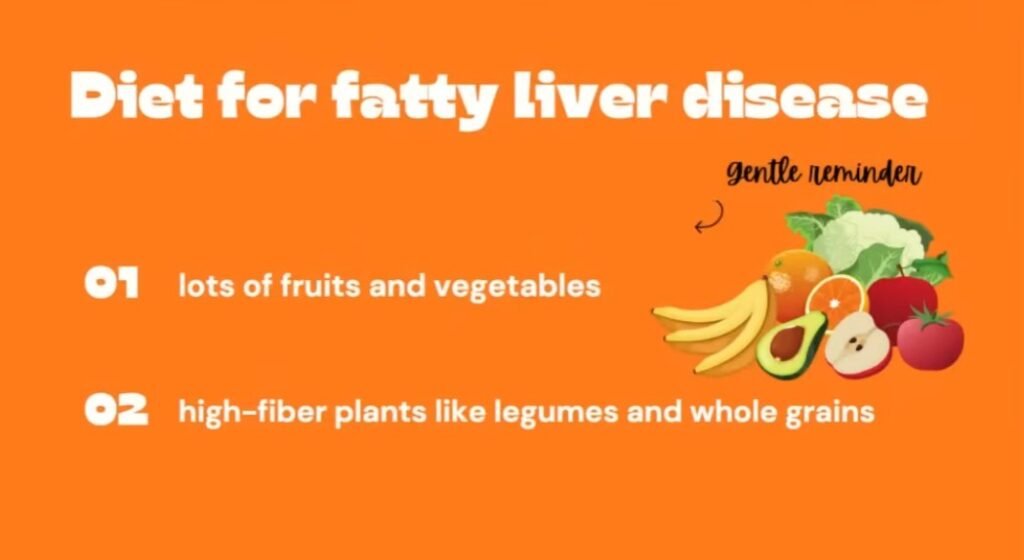
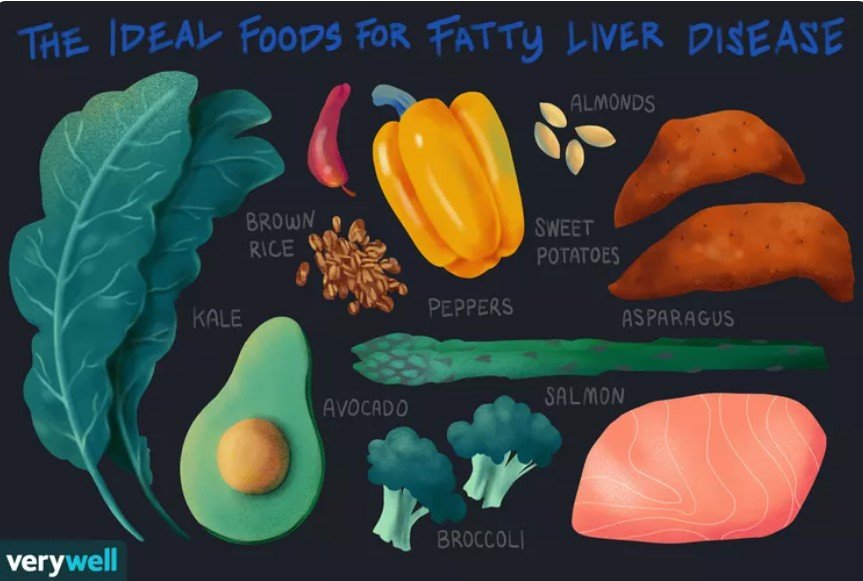
Here is a statistic worth sitting with: 81.8 percent of obese people in China have fatty liver (excess fat accumulated in liver cells, impairing the organ’s ability to process nutrients and filter toxins). That is not a complication of obesity in China. It is practically a feature of it.
The reason has to do with where Chinese bodies tend to store fat. Western obesity patterns skew toward subcutaneous fat (the layer just beneath the skin, distributed across the body). In China, 87.8 percent of obese adults present with central obesity (fat concentrated in the abdomen, around and inside the organs), the “apple shape” that drives visceral and hepatic (liver) fat accumulation. Chinese clinical guidelines define central obesity as a waist circumference of 90cm or above for men, 85cm or above for women. Those are not large numbers.
The metabolic cycle this triggers is self-reinforcing and unpleasant. Liver fat impairs glucose metabolism (how the body converts food into energy) and lipid metabolism (how it processes fats), which worsens insulin resistance, which makes weight loss harder, which allows more fat to accumulate in the liver. Downstream risks include diabetes, dyslipidemia (abnormal cholesterol and triglyceride levels in the blood) and gout. Diet and exercise, the standard first-line advice, often fail to break the cycle because they don’t specifically target visceral fat or liver health.
A New Drug in the Mix
Mazdutide is the intervention generating the most clinical interest right now. It’s the first approved dual agonist (a drug that activates two receptor types simultaneously) targeting both glucagon (GCG, a hormone that signals the liver to burn fat and boost energy expenditure) and glucagon-like peptide-1 (GLP-1, which suppresses appetite and slows digestion). The combination means it attacks the problem from two directions at once. Clinical data show reductions in body weight of up to 20 percent and liver fat of up to 80 percent, with corresponding improvements in waist circumference and metabolic markers. Results have been published in both The New England Journal of Medicine and Nature, which is not a credentials list you see on most drug profiles.
On the public health side, this year’s National Weight Management Campaign has elevated waist circumference to a primary screening metric, and the National Action Plan for Early Screening and Management of Obesity and Fatty Liver is deploying mobile clinics and expert consultations to push early detection beyond hospital walls. The expert consensus: annual liver ultrasounds for all adults, prompt intervention for anyone who presents with both obesity and fatty liver. Fatty liver is reversible. The window for reversing it, however, does not stay open indefinitely.
![[Health Byte] Is Your Shanghai Lifestyle Quietly Wrecking Your Metabolism?](https://obj.shine.cn/files/2026/03/23/8350db40-ce83-48a0-b429-38f5d4044fbc_0.jpg?x-image-process=style/style-watermark)
Credit: Dong Jun / Shanghai Daily
Caption: A man receives check to test liver fat.
Upcoming Topics
The next column turns to plastic surgery: what’s actually achievable, what the specialists say, and why the pursuit of a smaller face and tighter skin has become as routine a conversation in Shanghai as where to brunch. We’ll hear from the doctors doing the work.
About the Author
Cai Wenjun is a seasoned health reporter with Shanghai Daily. With extensive experience covering the local medical system, hospitals, health officials and leading medical experts, Cai has reported on major pandemics including SARS, swine flu and COVID-19, as well as developments in the local health industry.