Stock markets roared higher – ignoring a scandal at Nvidia – but growth fears linger despite last week’s upbeat jobs report. All eyes now turn to inflation data.
- Stocks are retesting levels they broke last week as markets weigh a rebound against a deeper selloff
- Fed rate hike bets barely budged after US payrolls beat forecasts by 100,000
- US consumer and producer inflation data may reveal whether AI-driven demand is fading
A scandal engulfing chipmaker Nvidia rattled markets at the weekly open, but the damage has stayed contained. The stock was punished but most other names held up well. An equal-weighted view of the S&P 500 showed the bulk of the market in fine spirits.
The charts look less settled. The S&P 500 and the tech-heavy Nasdaq 100 have rebounded to retest the support levels they broke during the recent rout, and both are stalling there. Intraday candles increasingly hint at indecision. That leaves open whether this is a correction within a cascading selloff or the start of a more lasting recovery.
Crude oil fell after President Trump told CNN that the US is unlikely to strike Iran again in a substantive way in the near term, seemingly giving diplomacy more of a chance. Prices are holding familiar support, however, and similar hopes have faded before. Treasury bonds took little notice, suggesting traders see the oil move as having little bearing on inflation expectations. Gold and silver edged higher but may have catching up to do, since lower yields since early October have done little to lift the non-yielding metals so far.
Why didn’t a strong jobs report move the Fed?
The US economy added 165,000 jobs in October, about 100,000 more than expected, and the prior two months were revised up by a combined 84,000. Even so, markets barely repriced Fed policy bets. A 25-basis-point (bps) rate hike at the December 9 meeting is seen as 84.5% likely and fully priced by January. That move has been on the menu since the Fed signaled 50bps of tightening this year and delivered half of it in September.
Beyond that, markets have settled on just one hike in 2027, fully priced by June. As recently as a few weeks ago, they had priced as many as three. The Fed itself projects none.
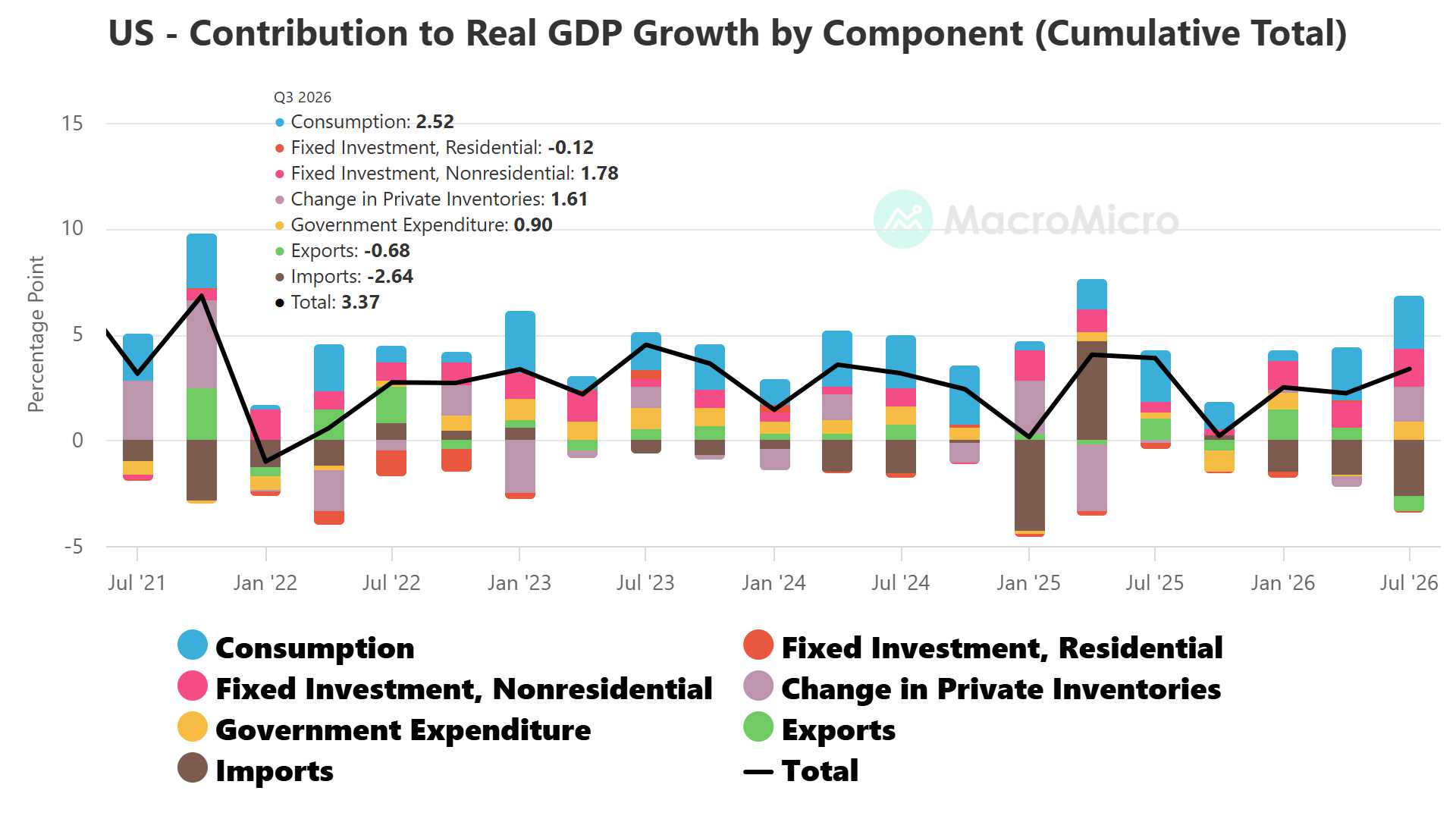
That reluctance may reflect worries about how lopsided growth has become. Third-quarter gross domestic product (GDP) leaned almost entirely on AI-linked investment after costly imports wiped out the boost from consumer spending. If that one engine falters, the economy has little else to run on, and last week’s selloff showed how quickly markets punish signs of strain.
Can US inflation data break the tie?
Over the weekend, China reported that consumer price index (CPI) inflation hit just 0.7% year-on-year in October, while the producer price index (PPI) surged 5.7% year-on-year. That points to weak demand at home alongside strong orders from abroad, as Chinese factories ramp up to supply the AI buildout.
The US may show the inverse. Headline CPI inflation is expected to rise to 3.9% year-on-year in October from 3.7% in September, with the core rate excluding food and energy seen climbing to 2.8% from 2.6%. That suggests price pressures are spreading beyond the energy shock tied to the US-Iran war. On Friday, PPI is expected to rise 0.4% month-on-month after a 1.3% jump in September, with the core measure seen up 0.3% after 0.7% previously.
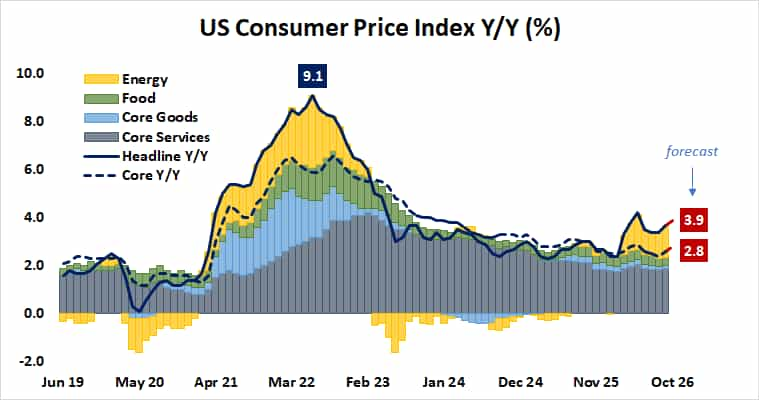
Firm consumer prices alongside cooling wholesale inflation may imply that the cost pass-through from the war and tariffs is still hitting households even as demand in the pipeline softens. Early signs of that showed up in last week’s survey data from the Institute for Supply Management (ISM). Manufacturing growth hit its second-highest level in four years, yet order backlogs grew more slowly, inventories began to pile up, and demand-driven price pressures eased. Services cooled more broadly.
If this week’s data confirm that AI demand is losing momentum while consumers remain squeezed, the rebound in stocks may prove short-lived. Bonds and gold would likely extend gains in that scenario, while Fed rate hike bets for 2027 fade further.
Ilya Spivak, tastylive Head of Global Macro, has over 15 years of experience in trading strategy. He specializes in identifying thematic moves in currencies, commodities, interest rates and equities. He hosts Macro Money and co-hosts Overtime, Monday-Thursday. @Ilyaspivak
For live daily programming, market news and commentary, visit tastylive.com or @tastyliveshow on YouTube
Trade with a better broker, open a tastytrade account today. tastylive, Inc. and tastytrade, Inc. are separate but affiliated companies.