Fundamentals of Planning Cities for Healthy Living

Fundamentals of Planning Cities for Healthy Living 

BY Avi Friedman and Alexandra Pollock (Anthem Press, 2024)

REVIEW Ian Chodikoff 

Avi Friedman and Alexandra Pollock believe we should consider our cities as “exercise machines.” In Fundamentals of Planning Cities for Healthy Living, they critically examine urban design’s integral role in shaping public health outcomes. This book aims to support the work of design professionals, often emphasizing the self-evident: our built environment directly influences lifestyle choices related to physical activity, nutrition, social interactions, public health and climate change. 

The book highlights the disparity in health outcomes observed in underinvested urban neighbourhoods. The lack of access to recreational spaces, healthy food options, and safe pedestrian routes exacerbates issues like obesity, diabetes, and mental health disorders, especially in lower-income neighbourhoods. The authors call for a multidimensional approach that includes strategies like food security, active mobility, green spaces, and inclusive public places. The book also stresses the need for greater cooperation between government, private and healthcare sectors, nonprofits, and more effective public awareness campaigns, underlining the procedural tactics necessary to move the needle for healthier outcomes for our cities and urban populations. The authors recognize that urban design needs to be justified in economic, environmental, and sociological terms, and actors in any community will disagree on how to prioritize action. I would have appreciated a deeper discussion on the process of working with those disparate actors rather than a checklist of healthy design outcomes. Nevertheless, case studies, such as the Grow Community in Washington or the Skaftkarr community in Porvoo, Finland, provide concrete examples of how cities can foster active living and social well-being. Other examples, like Edmonton as a “Winter City,” are presented as a paradigm for designing urban environments that remain vibrant and accessible year-round despite challenging weather or geographic conditions.

One of the book’s strengths lies in its historical analysis, tracing the inexorable decline of planning for health, which has only contributed to other global challenges, such as warming climates, aging populations, and widening income disparities: this is an excellent argument for re-integrating health considerations into contemporary urban planning.

It is reassuring to read that the authors allude to the critical role technology and policy play in advancing health-centred urban design, from using digital apps to enhance access to health services and information, to zoning and land-use regulations. 

Concluding with a call to action for urban planners and architects to adopt a holistic, life-cycle approach to planning that accounts for the changing needs and dynamics of urban populations, the book provides insights and strategies for creating healthier, more equitable urban environments. By reading this book, the reader will become more informed and knowledgeable about the profound impact that thoughtful, intentional design can have on the health of urban populations.


Source link

Visited 1 times, 1 visit(s) today

Related Article

CURE

「Can I be Cured?」這是癌症病人最常提出的問題。 在中文語境中,它會以不同形式出現:「有得醫嗎?」「可以治癒嗎?」「醫生,我會很快死嗎?」患者都希望醫生即時給予決斷性答案。 早前受邀至里斯本著名的Champalimaud Clinical Centre發表主題演講,題目極具挑戰性:「治癒肺癌:現況與未來」(Cure of Lung Cancer : Present and Future),當然不可能把四十分鐘的演說濃縮成五百字,只談:「Cure」為何物。 根據字源學,Cure源自拉丁文Cura,意指「關懷」(Care),直至中世紀英語才採納Cure這詞,當年意思是「恢復健康」(Restore health to normal state),但要知道中世紀人類並未知道癌症為何物,所謂「Cancer Cure」(癌症治癒)的現代概念,是後來醫學發展的產物。 在病人眼中,Cure往往被簡化為:治療後所有的掃描與驗血都找不到腫瘤。然而,這是最普遍、也最易被誤解的定義。任何一位腫瘤科醫生都清楚知道,現今科技尚無法偵測肉眼看不見的微量癌細胞,掃描結果「一切正常」並不等同於治癒,因為這定義缺乏了「時間性」。若要包括時間維度,便惟有靠統計學,一般會採用Kaplan-Meier Survival Curve(存活曲綫)來估算復發機率。當曲綫在多年後開始平走時,復發風險降至極低,醫學上才勉強被定義為Cure或Statistical Cure。 故此,最本事的醫生也不能給予百份百的保證,只能說統計學上很大機會不復發,既無絕對,也不必強求絕對,只求最高水平的治療及最大程度的關懷,便能得到最高機會。 反正,Cure本身就是關懷! Source link

Expert advocates preventive health, lifestyle

A health advocate, Lorenz Mba, has called for a nationwide shift from reactive to preventive healthcare through simple lifestyle changes and early screening to reduce the burden of non-communicable diseases. He made the call on Wednesday in Lagos during a road walk to commemorate the sixth edition of the ‘Let’s Waka with Q-Life and HEI’.

Combat veteran and lifestyle medicine physician is helping shape digital health

As a physician, veteran and lifestyle medicine leader, Regan A. Stiegmann, DO, MPH, has built a career defined by service. In 2011, Dr. Stiegmann commissioned into the U.S. Air Force (USAF) as a Health Profession Scholarship Program (HPSP) awardee during her second year of medical school at Rocky Vista University College of Osteopathic Medicine (RVUCOM).

Tokyo Lifestyle Enters Health Product, Cosmetics and Liquors Sale and Purchase Agreement with TASLY HONG KONG to Expand Presence in China

Tokyo Lifestyle Co., Ltd. Tokyo, Japan, March 31, 2026 (GLOBE NEWSWIRE) — Tokyo Lifestyle Co., Ltd. (“Tokyo Lifestyle” or the “Company”) (Nasdaq: TKLF), a retailer and wholesaler of Japanese beauty and health products, sundry products, luxury products, electronic products, collectible cards, trendy toys as well as other products in Hong Kong, Japan, North America, Thailand,

42 Most Beautiful Countries in the World 2026

benstevens//Getty Images Madagascar jeu//Getty Images The biodiversity of Madagascar is unmatched boasting baobab tree-lined avenues, rainforests bursting with wildlife, white-sand beaches, and Jurassic-era canyons. Roughly 90% of all wildlife in Madagascar is endemic, meaning there’s nowhere else in the world where you will see more than 100 different species of lemurs, colorful asity birds, and

[Health Byte] Is Your Shanghai Lifestyle Quietly Wrecking Your Metabolism?

Health Byte is your insider guide to navigating Shanghai’s health maze. From the labyrinth of public and private healthcare options to the pulse of cutting-edge medical services, we’ve got you covered. Each bite-sized article ends with a health tip, making wellness in the city more accessible than ever. Wondering about hospital features, where to find

Around the world for a jersey: The extreme travel of New Zealand’s athletes

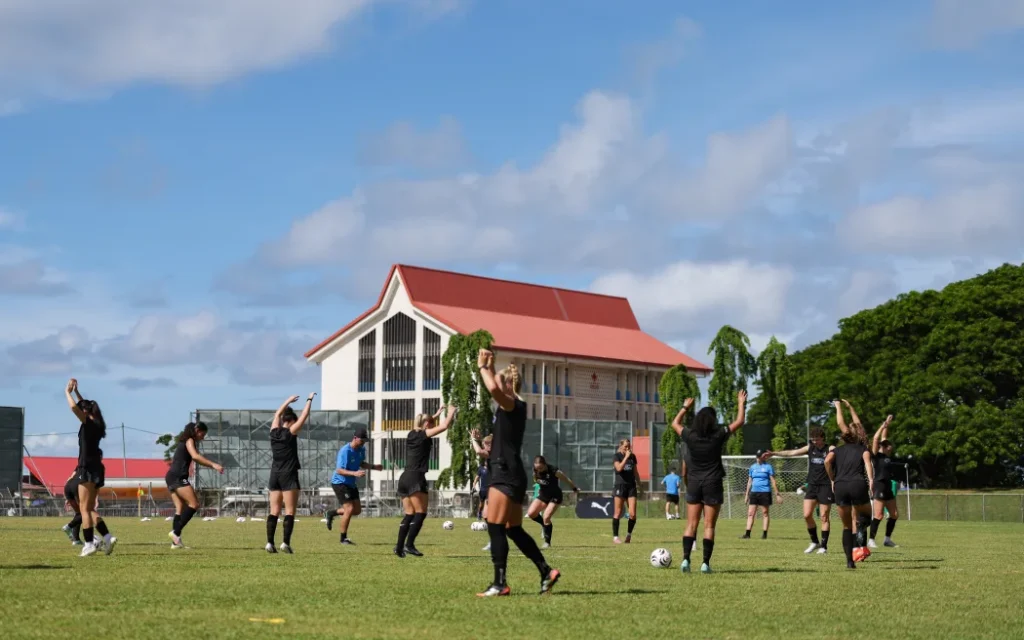
A Football Ferns training session in Honiara. Photo: Joshua Devenie / Phototek.nz Sailors representing New Zealand stopped off in the most countries (8) of any team in the last 12 months. New Zealand cricketers went to Zimbabwe for the first time in nine years and spent nearly three months in the subcontinent. Footballers travel the

飛仔

飯局遇上舊相識。四十年前在加拿大認識了林醫生,當年醫生仍是醫學生,而林醫生已在接受專科訓練,同是香港人,他對醫生特別關照。 後來,大家各奔前程,回港後也沒有聯絡。難得偶遇,當然開心大談陳年往事。暢談之際,林醫生問道:「Tony,當年你當醫學生也沒那麼『飛仔』,甚麼時候開始『飛仔』起來的?」 醫生一時語塞,「飛仔」一詞實在久違,很久很久沒有人以此相稱了。腦海不禁自問:「飛仔」如何定義?醫生又有沒有資格當「飛仔」呢? 五六十年代,「飛仔」是指行為不檢、遊手好閒,甚至蝦蝦霸霸的不良少年。而「飛仔」的「飛」字相信來自髮型,那年代紅透半邊天的貓王(Elvis Presley)和占士甸(James Dean)都梳着「飛機頭」(Pompadour),即額前頭髮留長,用頭蠟拱起像飛機前端。那些年,不少香港年輕人相繼仿效,其中不乏不良少年,他們梳起飛機頭、穿起時髦衣裝,便被統稱為「飛仔」,惡意更會罵句:「死飛仔」。 林醫生當然並無貶意,也不會覺得醫生是不良少年,相信他是指醫生的打扮。雖稱不上「飛機頭」,但醫生確實有gel頭,惟他不明白醫生的苦處,頭髮天生硬朗,除鏟短作平頭裝外,便只能靠gel來控制。至於衣裝,醫生承認有別於一般同袍,但喜歡打扮的醫生也不少,醫生只是其中之一。 故此,「飛仔」這稱呼實在不敢當,再回想漫畫《老夫子》作者王澤筆下的「飛仔」形象,實在也不想當。 Source link

0
Would love your thoughts, please comment.x
()
x