Apple Intelligence is tipped for big things at WWDC 2026. That’s comforting, given how few AI features accompanied the initial release and subsequent rollout of iOS 26. Instead of narrowing the gap against its rivals, the lackluster offering widened it even further for Apple — but there’s something else I’m even more concerned about.
There is another challenge looming on the horizon that could reach an inflection point, potentially leaving Apple even farther behind the pack as mobile and computing platforms continue to blend. I’m referring to iPhone desktop mode: a feature long rumored to be in development that has yet to materialize in any form.

Samsung, Motorola, and Google are all on board
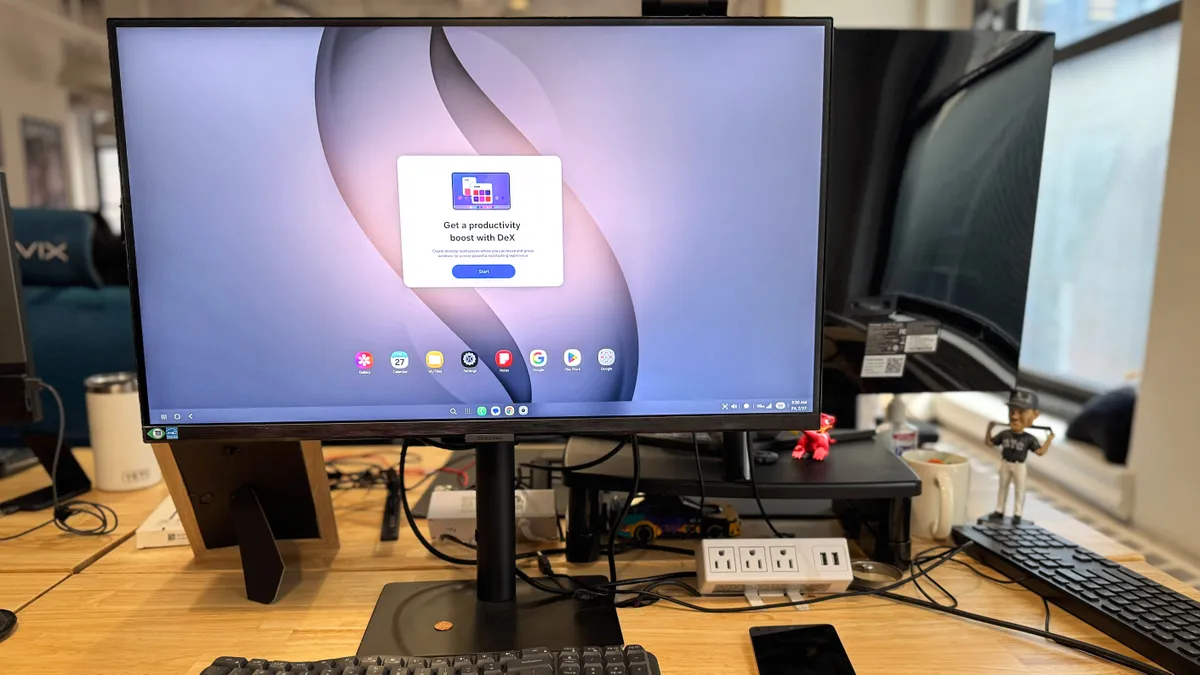
Apple is at a distinct disadvantage because its main rivals all offer some version of a desktop mode. Samsung DeX is, without question, the most robust — and as I’ve shown with the Galaxy S26, continues to evolve by bridging the gap between mobile and computing platforms. When I’m in a pinch, I can rely on DeX to keep me productive at work.
Although its version first started as a developer-only feature, the Pixel’s desktop mode is also showing great potential. I’ve used flagship models like the Pixel 10 Pro XL, but it’s even more satisfying to see that a budget-friendly option like the Pixel 10a has access to it as well. This puts significant pressure on Apple to ensure its iPhone desktop mode is available on entry-level devices like the iPhone 17e.
Finally, Motorola is in the conversation with its Smart Connect feature — a rich desktop experience available on its Razr 2025 lineup. While it only worked wirelessly when I tested the Razr Ultra 2025, the new Razr Fold adds the convenience of a USB-C connection.
Mirroring can only get you so far
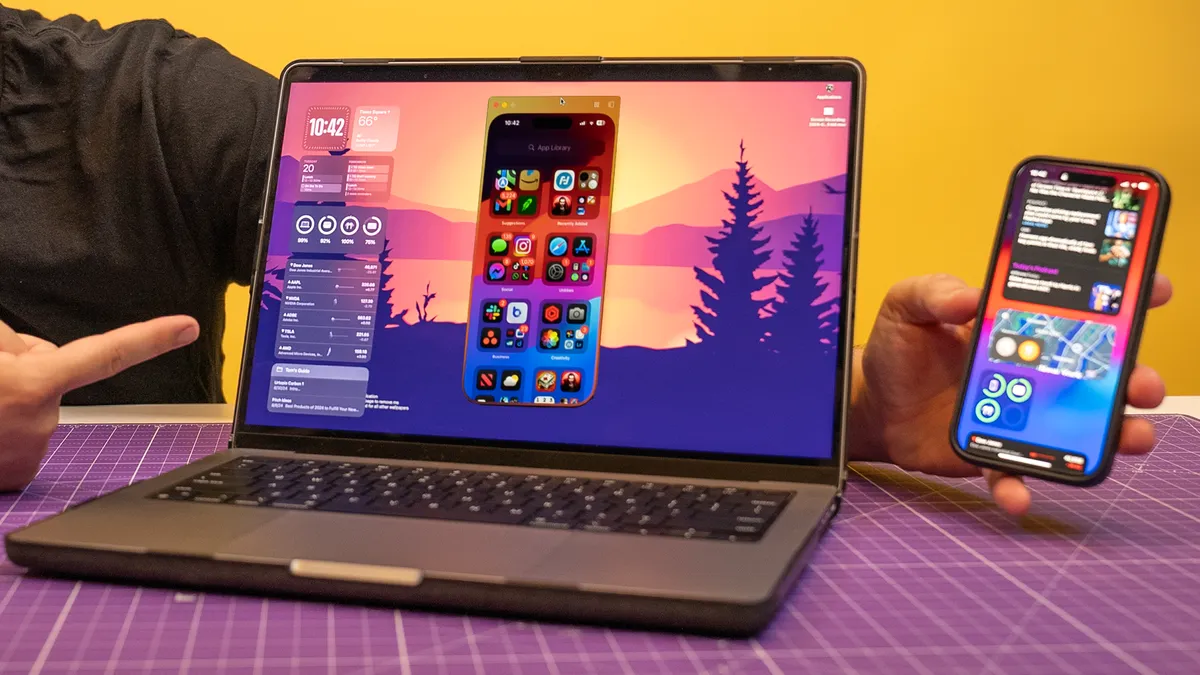
Another major drawback to this implementation is that the iPhone screen must remain on the entire time it’s mirroring to a monitor. In contrast, with Samsung DeX, the Pixel’s desktop mode, and Motorola’s Smart Connect, I can keep the phone’s display off to save battery and prevent the device from getting too toasty.
Introducing a robust desktop mode with iOS 27 would put Apple in a much stronger position, especially as the feature rolls out to devices beyond its traditional slate phones. A true desktop mode prioritizes genuine multitasking by allowing multiple apps to run simultaneously in windows — a massive leap over the current experience of simply switching between full-screen apps.
iPhone Fold, MacBooks, and rumored smart glasses could make it a reality
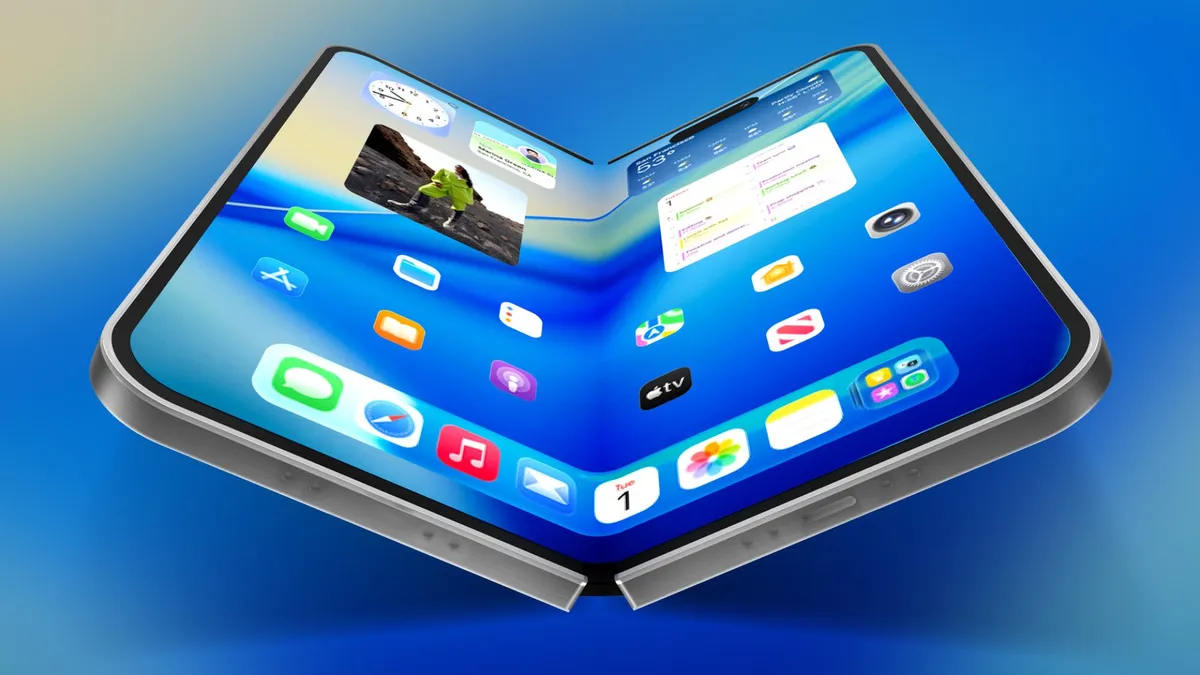
The most compelling reason for Apple to debut an iPhone desktop mode at WWDC 2026 is the potential for seamless integration across its ecosystem. Most notably, the iPhone Fold is tipped for a release later this year — a move that strongly suggests Apple is already developing an enhanced multitasking experience tailored for larger, more versatile displays.
While the Apple Vision Pro may not have become the immediate breakout hit the company anticipated, Apple already has a blueprint for an iPhone desktop mode within visionOS. The company could simply adapt it for this new mobile mode. While the first Apple Glasses slated for early 2027 won’t have a display, Apple is reportedly working on a follow-up.
There’s still a lot unknown about Apple’s upcoming smart glasses, but I still see the iPhone continuing to be the premier hub for the company’s entire hardware ecosystem. By unlocking a desktop-class interface, Apple wouldn’t just be playing catch-up with Samsung and Motorola — it would be transforming the iPhone from a standalone mobile device into a pocketable workhorse capable of powering the next generation of foldables and AR wearables.

Follow Tom’s Guide on Google News and add us as a preferred source to get our up-to-date news, analysis, and reviews in your feeds. Subscribe to Tom’s Guide on YouTube and follow us on TikTok.