A federal judge has ordered the U.S. Securities and Exchange Commission to provide a documentary film company with a recording of Elon Musk’s 2018 testimony before the agency as part of its securities fraud investigation into the billionaire entrepreneur.
Jigsaw Productions, Inc., which is currently producing a documentary about Musk, sued the SEC in 2024 with free legal support from attorneys at the Reporters Committee for Freedom of the Press. The lawsuit sought access to the audio and video footage of Musk’s testimony in connection with an agency investigation that resulted in Musk paying a $20 million fine. While the SEC turned over most of the transcript of the recording, it has refused to release the audio and video footage.
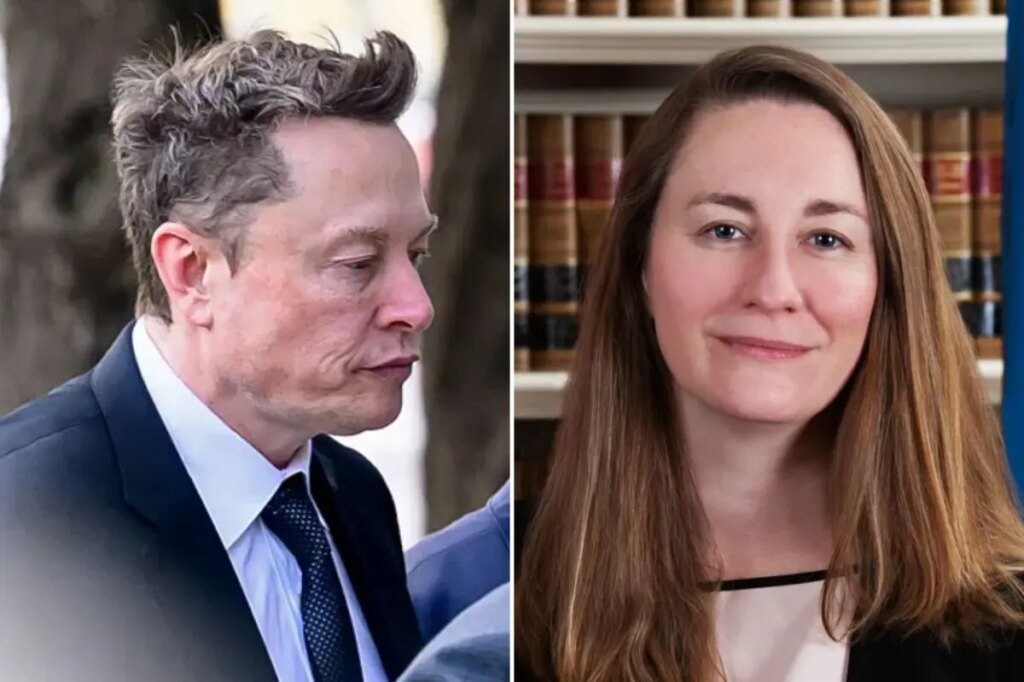
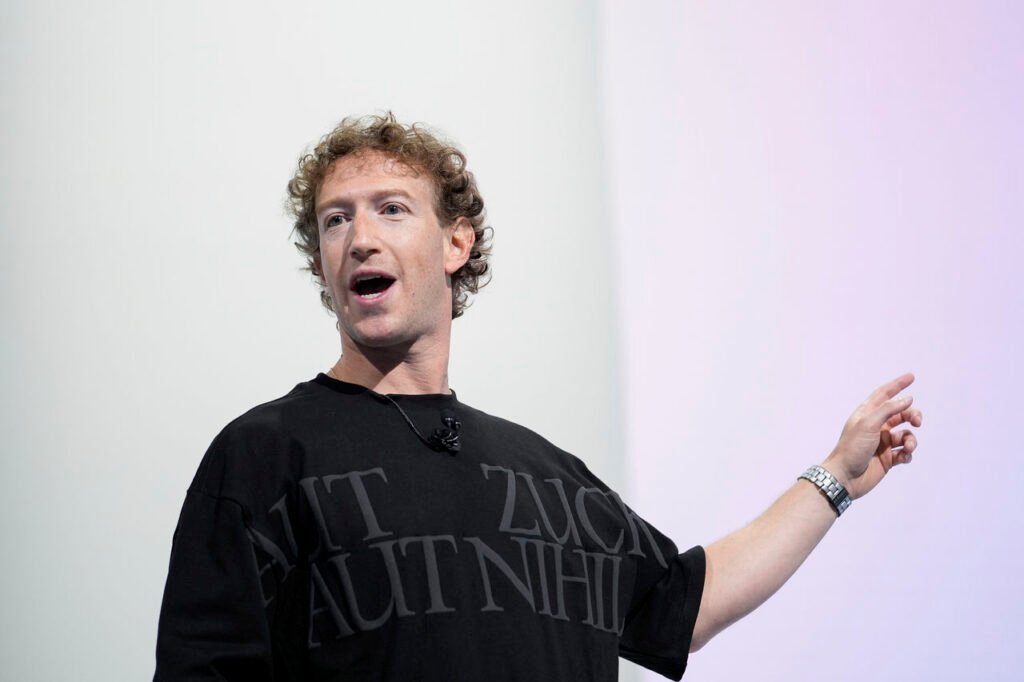
In a 12-page opinion issued last week, Judge Tanya Chutkan of the U.S. District Court for the District of Columbia ruled in favor of Jigsaw Productions. The judge rejected the government’s arguments that the recording should be shielded from the public to protect Musk’s privacy, pointing out that he is “an exceptionally famous public figure” and recently served as a senior federal government official.
“Musk … does not face the same harms to his privacy interests faced by an ordinary person or even a less known celebrity,” Judge Chutkan wrote. “Musk’s image, voice, and mannerisms are far more public than that of a private individual who has not held press conferences in the Oval Office and Cabinet Room or gone on national television.”
“The court’s ruling makes clear that the privacy claims the government made in this case hold absolutely no water given Elon Musk’s extensive public statements and actions as the world’s wealthiest person, an internationally recognized businessman, and a former senior U.S. government official,” said Reporters Committee attorney Gunita Singh, who represented Jigsaw Productions alongside RCFP attorney Adam A. Marshall. “After going to great lengths to shield this recording, despite releasing a transcript of much of it, the SEC will now be required to make this record public as it should have more than two years ago.”
Musk: ‘There should be no need for FOIA requests’
The legal dispute over the recording stems from a Freedom of Information Act request Jigsaw Productions filed in February 2024. The request sought a variety of records related to the SEC’s lawsuit accusing Musk of making false and misleading statements regarding privatizing Tesla, a publicly traded company. (Musk and Tesla each paid $20 million fines to settle the lawsuit.)
The SEC denied the FOIA request in full. Jigsaw Productions filed an administrative appeal before ultimately suing the agency in 2024. After filing the lawsuit, Jigsaw Productions narrowed the scope of its request, and following a status conference, the SEC turned over a 281-page transcript (with redactions) of Musk’s 2018 testimony. However, it refused to release the recordings.
The SEC moved for summary judgment, arguing that the recording should be withheld in its entirety under two FOIA exemptions, both of which protect records that involve personal privacy.
In a cross-motion for summary judgment on behalf of Jigsaw Productions, Reporters Committee attorneys opened with a quote from Musk: “There should be no need for FOIA requests. All government data should be default public for maximum transparency.”
From there, Reporters Committee attorneys made the case that the SEC failed to establish that the disclosure of the recording would satisfy what’s known as the “foreseeable harm standard.” That standard, which Congress added to FOIA in 2016, states that an agency can withhold information under a FOIA exemption only if the agency can “reasonably foresee that disclosure would harm an interest protected by the exemption.”
The motion argued that the SEC’s claims of harm are “quintessentially speculative and fatally generic.” It also disputed the SEC’s argument that the recording of Musk’s testimony could be “altered and used” to “create unflattering and offensive memes,” noting that the government’s claim is “undercut by Musk’s demonstrated predilection toward ‘memeifing’ himself, including with AI-generated videos, and distributing such content to the public through his X account, where it is viewed by tens of millions of people.”
Jigsaw Productions’ motion argued that the SEC’s concerns about Musk’s privacy as it relates to the recording is especially unfounded given that the billionaire has previously spoken about the SEC investigation in an interview with CBS’s “60 Minutes.”
‘The cat is out of the bag’
In her ruling, Judge Chutkan struggled to make sense of the government’s privacy arguments — not only because Musk, in her words, is a “world-famous public figure,” but also because the content of his SEC testimony has already been released.
“Because the SEC has previously disclosed the fact and substance of Musk’s interview by releasing the transcript and bringing a highly public civil enforcement action against him, the typical reasons for withholding law enforcement records — such as the stigma associated with law enforcement investigations — do not hold weight,” the judge wrote. “The cat is out of the bag.”
Judge Chutkan seemed particularly bothered by the government’s decision to cite in its briefing a case in which a federal appeals court held that, for privacy reasons, NASA could withhold an audio recording of the final moments of the Challenger space shuttle before it exploded in 1986.
“[I]t is a stretch to compare a harrowing tape recording of astronauts’ last moments aboard a space shuttle before explosion to the recording of a CEO’s interview with the SEC regarding business affairs,” the judge wrote.
Judge Chutkan ordered the SEC to release the recording within 60 days.