Published on
March 10, 2026

Image generated with Ai
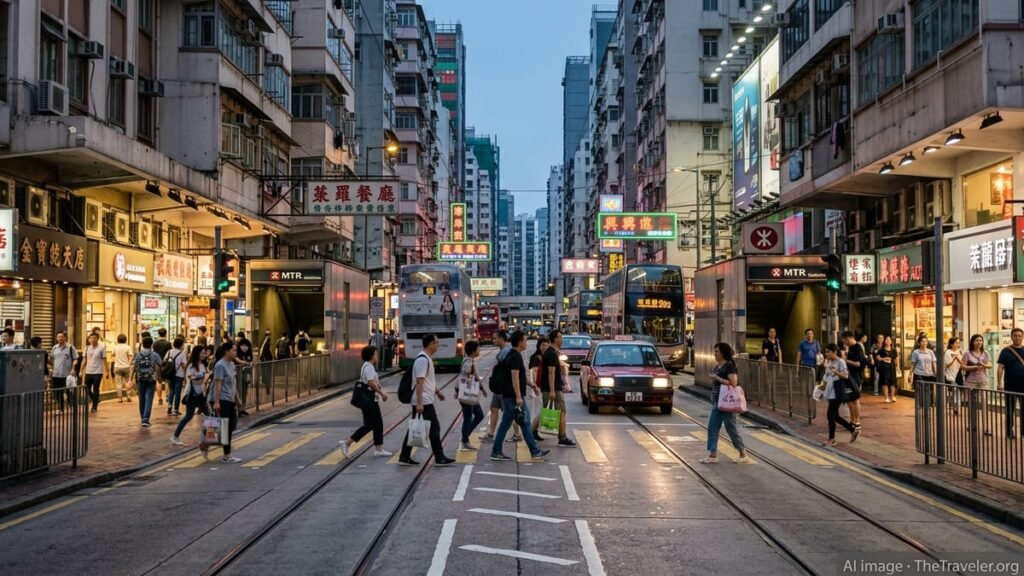
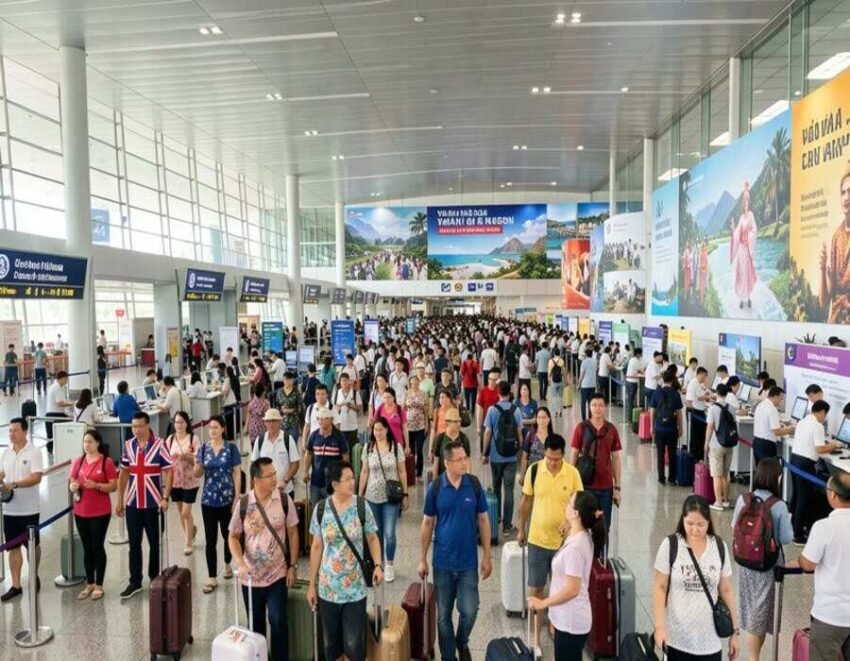
China’s expanding travel powerhouse is rapidly reshaping global tourism flows, with destinations across Asia-Pacific and Europe—especially Hong Kong, Japan, Thailand, France, and Germany—benefiting from the revival and expansion of Chinese travelers. The country’s enormous domestic tourism scale and steadily increasing outbound journeys are positioning China as one of the most influential travel source markets worldwide. Forecasts suggest that domestic trips in China could reach 4.08 billion by 2029, while outbound travel is projected to climb to 176.65 million departures during the same period.
This surge reflects more than just post-pandemic recovery. The Chinese travel landscape is transforming, with young travelers, family trips, immersive experiences, and digital travel planning driving the next phase of tourism growth. For global destinations and tourism businesses, understanding these evolving traveler preferences has become essential. From luxury experiences in Europe to culinary journeys in Asia-Pacific, the spending patterns and travel motivations of Chinese tourists are increasingly shaping how the global travel industry designs its products and services.
China’s Domestic Tourism Machine Continues To Dominate
China’s internal tourism network remains one of the largest travel ecosystems on Earth. Domestic journeys already account for 95.6% of total trips in 2025, illustrating how deeply travel is integrated into everyday Chinese life.
By 2029, domestic travel spending is expected to reach $678.04 billion, growing at a compound annual growth rate (CAGR) of 7.84%. This massive internal travel market fuels airlines, rail networks, hotels, theme parks, cultural attractions, and regional tourism economies across the country.
Cities such as Beijing, Shanghai, Guangzhou, Chengdu, and Hangzhou continue to attract millions of travelers annually due to their blend of heritage sites, culinary experiences, and modern entertainment districts. Meanwhile, nature-focused destinations like Zhangjiajie National Forest Park, Guilin, and Tibet’s scenic landscapes are seeing growing interest from younger adventure-seeking tourists.
For travelers visiting China, this domestic tourism boom also means improved infrastructure—faster high-speed rail connections, expanded airports, and upgraded tourism facilities across secondary cities.
Advertisement
Advertisement
Youth-Led Travel Boom Is Redefining Tourism Demand
One of the most striking features of China’s travel market is the growing influence of young travelers. Individuals aged 15–24 represent the largest share of both domestic and international trips.
This younger demographic tends to prioritize:
Advertisement
Advertisement
- Cultural immersion
- Lifestyle experiences
- Unique photography spots
- Food-focused travel
- Digital storytelling through social media
Rather than traditional sightseeing itineraries, many young Chinese tourists prefer experiential travel, such as exploring local neighborhoods, attending cultural festivals, or participating in hands-on activities like cooking classes or art workshops.
Travel Tip For Destinations Targeting Chinese Youth
Tourism operators aiming to attract Chinese travelers can benefit from offering:
- Instagram-worthy attractions and scenic viewpoints
- Local cultural workshops
- Authentic food tours
- Adventure activities such as hiking or cycling routes
- Short, flexible itineraries designed for digital sharing
These experiences often become viral travel content on Chinese social platforms, which can significantly boost destination visibility.
Family Travel Dominates Outbound Tourism
While young travelers drive volume, families remain the largest segment in outbound tourism, accounting for 53.27% of international trips. Group travel follows at 24.41%, reflecting the social nature of Chinese travel habits.
Leisure travel dominates international journeys, representing 70.83% of outbound trips in 2025. Popular travel motivations include relaxation, shopping, culinary exploration, and cultural sightseeing.
Family-oriented travel packages typically include:
- Theme parks and entertainment attractions
- Guided sightseeing tours
- Luxury shopping districts
- Cultural heritage sites
- Family-friendly resorts and cruise packages
Many global destinations have adapted their tourism offerings accordingly by providing Mandarin-speaking guides, family rooms in hotels, and curated cultural experiences designed for multi-generational travelers.
Food Experiences And Social Media Influence Destination Choices
Food has become a powerful motivator for Chinese travelers choosing international destinations. Surveys indicate that 31% of Chinese respondents prioritize locations known for exceptional food and beverage experiences when planning a holiday.
Destinations famous for culinary tourism—such as Tokyo, Bangkok, Paris, and Hong Kong—benefit significantly from this trend. Street food tours, Michelin-star dining, and authentic regional cuisine have become major selling points.
In comparison, only 15% rely primarily on recommendations from friends and family, while 10% cite affordability as their main decision factor. This suggests that many Chinese travelers are increasingly motivated by experience value rather than simply cost.
Practical Tip For Tourism Businesses
Tourism businesses hoping to attract Chinese visitors should consider:
- Offering Chinese-language digital guides
- Accepting Chinese mobile payment platforms
- Promoting food tourism experiences
- Using mobile-based booking systems
These small adaptations can significantly improve the travel experience and encourage repeat visits.
Asia-Pacific Remains The Core Outbound Travel Zone
The majority of Chinese international travelers still prefer nearby destinations across the Asia-Pacific region.
Some of the most popular destinations include:
- Hong Kong
- Macau
- Thailand
- Japan
These locations benefit from relatively short flight times, cultural familiarity, and strong tourism infrastructure. Additionally, many Asian destinations have implemented visa facilitation policies or simplified entry processes, which helps maintain steady visitor numbers from China.
Cities like Tokyo, Osaka, Bangkok, Phuket, and Hong Kong have invested heavily in Chinese-language tourism services, making them particularly appealing to first-time international travelers.
Europe Emerges As A Luxury And Cultural Dream Destination
While Asia dominates in visitor numbers, Europe is increasingly viewed as an aspirational long-haul destination among Chinese travelers.
Countries such as France and Germany are expected to experience steady growth in visitor arrivals from China. European travel appeals to Chinese tourists due to:
- Iconic cultural landmarks
- Luxury shopping districts
- Historic architecture
- Multi-country travel routes
Many travelers combine several European destinations in one itinerary, visiting cities like Paris, Munich, Rome, and Zurich during a single trip.
Smart Travel Planning Tip For European Trips
Chinese travelers often plan multi-city tours across Europe. To maximize the experience:
- Choose rail passes for easy intercity travel
- Visit museums during off-peak hours
- Combine major capitals with smaller scenic towns
- Pre-book tickets for popular attractions
These strategies help travelers avoid crowds and create richer cultural experiences.
Digital Travel Ecosystems Are Shaping Tourism
China is widely recognized as one of the world’s most digitally connected travel markets. Most travelers research, book, and manage their journeys through smartphones.
Digital tools influencing Chinese travel behavior include:
- Mobile travel booking platforms
- Social media travel recommendations
- Influencer-led destination promotion
- Mobile payment integration
Destinations that provide mobile-friendly services, real-time customer support, and Mandarin-language content are more likely to attract Chinese travelers.
Additionally, seamless digital payment systems and integrated travel apps can significantly improve customer satisfaction during trips.
What The Future Holds For Global Tourism
China’s tourism market is evolving into a highly segmented, digitally driven, and experience-focused ecosystem. Younger travelers, affluent families, and group tourism are shaping the next stage of global travel demand.
As outbound travel approaches 176.65 million departures by 2029, destinations worldwide are preparing to capture this growing market by adapting services, improving digital accessibility, and designing unique experiences tailored to Chinese visitors.
For tourism boards, airlines, hotels, and travel operators, becoming “China-ready” may be one of the most important strategies for long-term success in the global travel industry.