Listen to this article
Estimated 3 minutes
The audio version of this article is generated by AI-based technology. Mispronunciations can occur. We are working with our partners to continually review and improve the results.
Some New Brunswick fishermen are breathing a sigh of relief in the wake of a trade deal announced Friday between Canada and China.
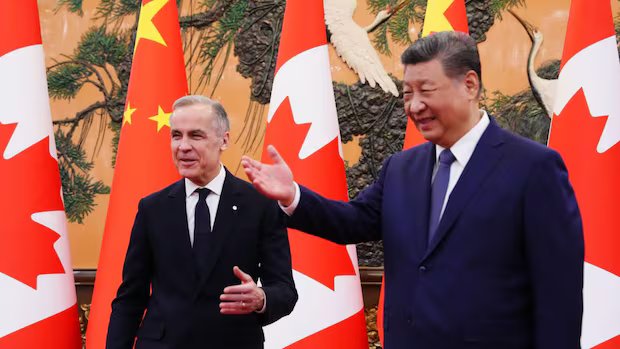
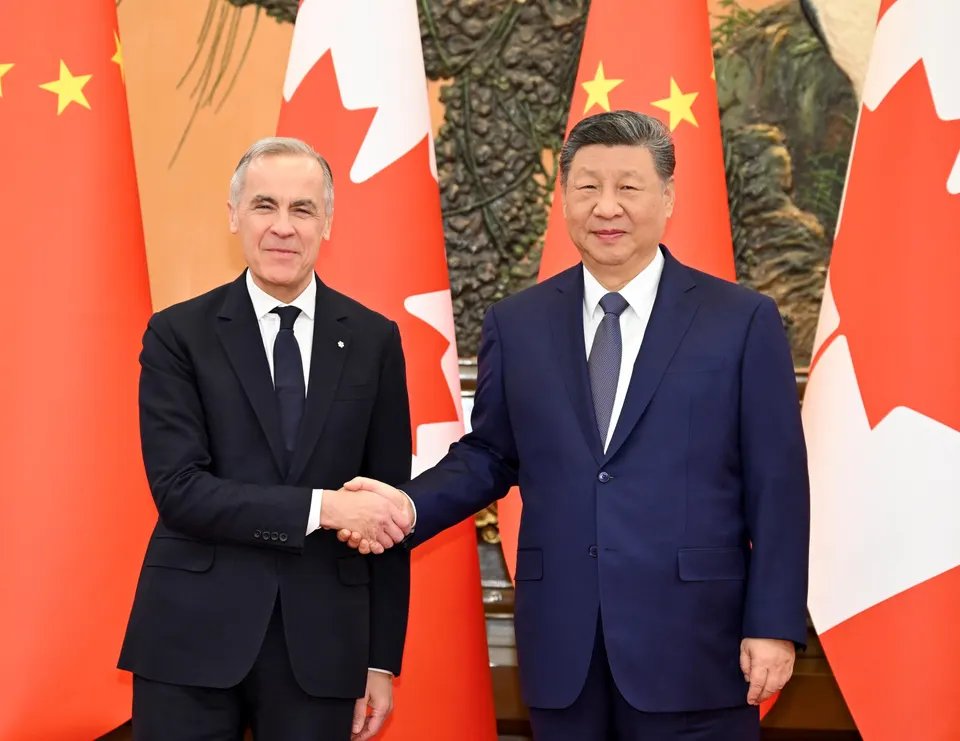
Prime Minister Mark Carney’s trade mission to the world’s second-largest economy resulted in a deal that will see a limited number of Chinese electric vehicles allowed into the Canadian market under a 6.1 per cent tariff.
In exchange, China agreed to eliminate tariffs on several Canadian exports, which include, most notably for New Brunswick, lobster and crab.
“We were very happy to be included in the list along with crab, because we have lost a significant amount of our market share in China for frozen and live lobster — prominently live lobster,” said Geoff Irvine, executive director of the Lobster Council of Canada.
“So we’re hoping that the tariff relief will allow us to rebuild the market again.”

China imposed a 25 per cent tariff on Canadian seafood last March in retaliation to Canada imposing a 100 per cent tariff on Chinese electric vehicles.
Canada will now allow up to 49,000 Chinese EVs at the reduced 6.1 per cent tariff, in exchange for China dropping tariffs on canola meal, peas, lobster and crab.
The elimination of tariffs for those products takes effect in March and will continue until the end of the year.
Lobster prices already improving
Anticipation had been building in recent weeks over Carney’s trade deal and the potential benefits it could bring for Canada’s lobster sector, said Luc LeBlanc, a fisheries advisor with the Maritime Fishermen’s Union.
He said just the expectation the tariff would be eliminated resulted in fishermen fetching better prices for their lobster.
“In the winter fishery that’s now going on in the Bay of Fundy as we speak, prices were around $8.50 a pound for lobster before Christmas,” LeBlanc said.
“And just off the speculation that there was going to be a meeting and a deal with China, the price increased to $12.50 a pound.”

Representatives of the New Brunswick seafood industry say they’re pleased with a deal that eliminates Chinese tariffs on Canadian lobster and crab.
LeBlanc said a wharf rate of $8.50 per pound wasn’t sustainable for fishermen, with costs leaving them barely able to break even.
He said $12.50 is considered on the lower end of a “good price range,” meaning more money not only for fishermen but also the local businesses in the communities.
“So directly for fishing enterprises, it probably means they’re going to survive another year,” LeBlanc said.
“But indirectly, for all these small rural communities on the coastline, it probably means that, you know, the person selling stuff at the hardware store is going to sell more. It’s good for everybody in the community, right?”

Tens of millions of dollars worth of New Brunswick lobster has been sold to Chinese markets in recent years, according to Statistics Canada.
In 2024, exports from New Brunswick to China totalled $36.2 million, and the year prior was $72.9 million.
The United States, however, remains by far the biggest buyer of New Brunswick lobster, accounting for $844.7 million out of $996.3 million in total lobster exports for 2024.
There are currently no tariffs on Canadian lobster heading to the United States.