Published on
March 9, 2026

Image generated with Ai
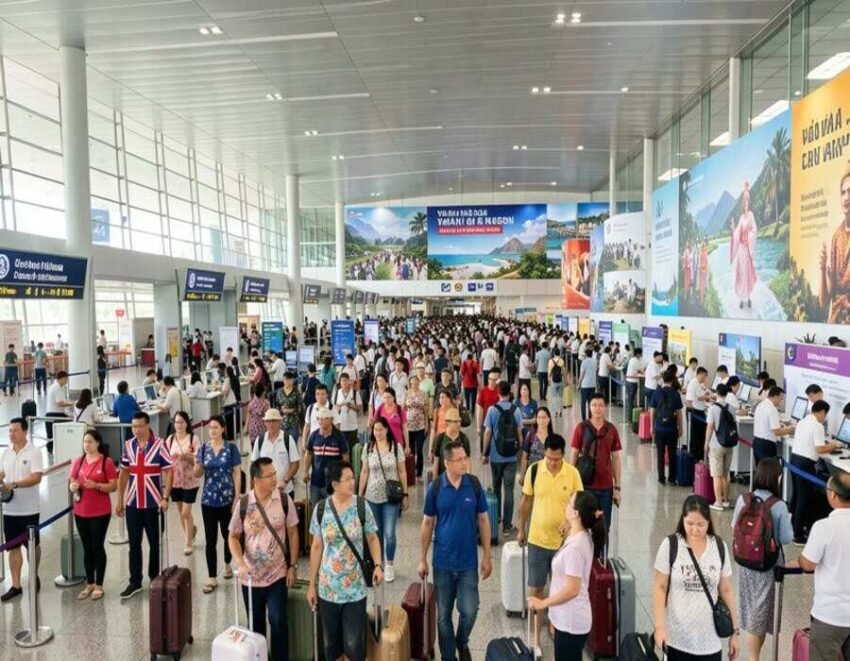
China Overtakes United States, Russia, South Korea, United Kingdom, Germany, And More, emerging as Thailand’s leading tourist market in early 2026. This significant shift comes amidst ongoing turmoil in the Middle East, which has severely disrupted air travel routes, leading to increased costs and delays for long-haul travelers. While other regions like Europe and the Americas have experienced a decline in tourist arrivals due to these global travel disruptions, China has seen a steady rise in tourism, particularly driven by the Lunar New Year celebrations and strong regional economic recovery. As a result, China has surpassed traditional top markets such as the United States, Russia, and Germany, securing its position as Thailand’s primary source of international visitors.
Thailand’s tourism industry has experienced a unique set of challenges in early 2026, with fluctuations in international arrivals due to both regional factors and global tensions. Despite a slight overall decline in tourism numbers, China has surged ahead of other nations, overtaking established sources of visitors such as the United States, Russia, South Korea, the United Kingdom, and Germany. This shift in tourism patterns comes at a time when geopolitical disruptions, particularly the ongoing conflict in the Middle East, have created significant turbulence in global air travel routes.
China: The New Dominant Force in Thai Tourism
As of early 2026, China has firmly reclaimed its position as the largest source of international visitors to Thailand. January and February saw a substantial number of Chinese tourists arriving in the Kingdom, a significant increase from previous years. This surge in travel has been attributed primarily to the Lunar New Year celebrations, which traditionally drive high volumes of tourism in Southeast Asia. In February and March alone, over 1 million Chinese nationals visited Thailand, solidifying the nation’s position as the leading tourist market for the country.
With the global political climate creating unrest, travelers from China continue to prioritize Thailand as their vacation destination, with major tourist hubs like Phuket, Pattaya, and Chiang Mai seeing steady flows of visitors. Despite the disruptions in global travel caused by the ongoing conflict in the Middle East, Chinese travelers are undeterred, demonstrating strong resilience and commitment to traveling abroad. The rise of China as Thailand’s primary tourism source marks a critical shift in global travel patterns, demonstrating both the potential for growth in the Asian market and the region’s vital importance to Thailand’s tourism sector.
United States: A Consistent, Yet Challenged Market
While the United States has consistently been a top source of international visitors to Thailand, early 2026 brought a slight dip in arrivals from American tourists. The ongoing geopolitical uncertainties and the rising cost of travel have resulted in decreased numbers from this key market. However, the United States remains a significant player in the tourism landscape, particularly among high-spending travelers who seek out long-haul destinations like Thailand for their cultural and natural attractions.
Despite this decline, the American market continues to be vital for Thailand’s tourism revenue, with visitors contributing to the luxury travel segment. Although affected by global disruptions, American tourists are still traveling to Thailand, particularly to enjoy the serene beaches, rich cultural history, and vibrant urban life in cities such as Bangkok and Chiang Mai.
Advertisement
Advertisement
Russia: A Growing Yet Volatile Market
Russia has remained a steady contributor to Thailand’s tourism sector, despite global instability. Early 2026 has seen Russian arrivals stabilizing at high levels, with many travelers seeking the warm weather and unique experiences Thailand offers. Russian tourists are attracted to destinations like Phuket, Pattaya, and Bangkok, where luxury services, fine dining, and stunning beaches await them.
However, the ongoing tensions in the Middle East have had an indirect impact on Russian travelers, as many rely on regional hubs for air travel. With the conflict in the Middle East causing disruptions in air routes, Russian tourists have been facing delays and higher travel costs, potentially limiting their travel frequency. Despite these challenges, Russian tourists are still a crucial market for Thailand, especially as the country remains one of the most popular destinations for winter sun.
Advertisement
Advertisement
South Korea: A Regional Power in Thai Tourism
South Korea, another key regional player, has also seen fluctuating tourism numbers in early 2026. However, the Korean market remains vital to Thailand’s tourism industry, consistently ranking high in visitor arrivals. The proximity of South Korea to Thailand, coupled with increasing connectivity between the two nations, ensures that this market continues to thrive.
South Korean tourists are drawn to Thailand’s dynamic cities, luxurious resorts, and rich cultural heritage. Bangkok and Phuket remain particularly popular destinations, with a growing interest in new, off-the-beaten-path locations. While the South Korean market has been slightly affected by the broader geopolitical situation, it remains one of Thailand’s most important regional sources of visitors, contributing to the country’s year-round tourism demand.
United Kingdom: Strong European Engagement Amid Global Challenges
The United Kingdom, though geographically distant, remains a consistent source of visitors to Thailand. British tourists continue to visit Thailand in significant numbers, seeking the country’s famous beaches, temples, and vibrant cities. Despite the challenges posed by global disruptions and rising fuel prices, British tourists have shown a strong willingness to travel long distances, and Thailand continues to be a favored destination.
The growing cost of travel due to geopolitical factors, including the ongoing conflicts in the Middle East, has impacted the affordability of long-haul flights. However, despite these challenges, the UK market remains stable, with arrivals from the country holding steady during the first months of 2026. UK nationals continue to prefer destinations like Bangkok, Phuket, and Chiang Mai, enjoying the cultural experiences and tropical climate Thailand offers.
Germany: Steady Growth from Europe’s Largest Economy
Germany, Europe’s largest economy, also remains a key market for Thai tourism. Early 2026 saw consistent arrivals from Germany, reflecting strong demand despite the broader geopolitical instability. German tourists continue to visit Thailand for its mix of culture, adventure, and relaxation, with popular destinations such as Bangkok, Chiang Mai, and Krabi attracting the highest numbers.
Though the Middle East conflict has had some effect on flight operations, German travelers remain eager to experience Thailand’s unique offerings. Germany’s position as an important source of tourism revenue remains unshaken, with long-haul tourism continuing to be a priority for many German nationals despite external pressures.
The Middle East: Impact on Global Tourism Flows
The Middle East, which has traditionally served as a vital transit hub for long-haul travelers, has faced significant challenges due to the ongoing conflict in the region. The closure of key air corridors and the rising cost of fuel have resulted in disruptions to travel routes that affect global tourism patterns. Thailand’s tourism has not remained unaffected by these disruptions, as travelers from Europe and the Americas who rely on transit hubs in the Middle East have encountered delays and higher ticket prices.
However, despite these challenges, Thailand has adapted by diversifying its target markets, focusing on regional tourism from countries like China, Malaysia, and South Korea. The Thai Tourism Authority has emphasized the importance of stabilizing regional flows and attracting mid-tier tourists, who remain more resilient to the impacts of global tensions.
Tourism Revenue Projections Amid Global Uncertainties
Despite the challenges posed by the ongoing conflict in the Middle East, Thailand’s tourism sector remains optimistic about its revenue projections for 2026. With the tourism target set at 36.7 million visitors and revenue forecasts ranging between 2 to 3 trillion baht, Thailand’s tourism industry is adjusting its strategies to cope with the uncertainties.
While arrivals from long-haul markets like the United States, Germany, and the United Kingdom may face some setbacks, the growth in regional tourism from China and Malaysia offers a strong foundation for recovery. Thailand’s diverse tourism offerings, ranging from cultural heritage to luxury resorts and adventure tourism, ensure that the country remains an attractive destination for global travelers.
Looking Ahead: Tourism Recovery Strategies and Mid-Year Outlook
As Thailand heads into the peak tourism season during the Songkran Festival and Easter, the tourism industry’s performance will be crucial in determining whether the target of 30 million visitors for 2026 will be achieved. The Thai Tourism Authority is focused on adapting to changing market dynamics, targeting high-spending travelers from key regional sources like China and Malaysia, while strengthening ties with European markets.
Thailand’s tourism success will depend not only on overcoming external challenges like geopolitical instability but also on how well the country can manage and attract a diverse range of tourists during peak periods.
China Overtakes United States, Russia, South Korea, United Kingdom, Germany, And More as Thailand’s top tourist market in early 2026, driven by strong regional recovery and a surge in travel during the Lunar New Year, while disruptions from the Middle East’s war have hindered traditional long-haul markets.
While 2026 has brought challenges to Thailand’s tourism industry, particularly from the disruptions caused by the Middle East’s ongoing war, the country’s tourism sector remains resilient. The rise of China, Malaysia, and other regional markets, coupled with the steady interest from European economies, offers a strong outlook for Thailand’s tourism industry. The country’s strategic focus on diversifying its visitor base and maintaining flexibility in the face of global uncertainties positions it to continue thriving in the coming years.