Since its introduction to coffee in the 1800s, Nicaragua has been producing some great flavor. The coffee trade quickly became important to their economy as coffee plants flourished in the climate. Let’s take a deeper look at the Nicaraguan coffee industry and its coffee beans!
History of Nicaragua Coffee
European immigrants brought coffee to Nicaragua in the mid-19th century because of its ideal climate and soil. While political instability affected the coffee industry’s growth, coffee quickly became the country’s main export.
Over the course of the 20th century, the Nicaraguan coffee industry grew exponentially. The success of the trade allowed them to develop infrastructure to improve it. The government recognized this success and offered incentives for farmers to grow coffee.
The Nicaraguan government also began pushing trade with European immigrants. This led to many coffee estates (fincas) arising across the country. To this day, most Nicaraguan coffee is grown on these family estates.
In the late 20th century, some problems arose. Not only did the Nicaraguan Revolution and other natural disasters interrupt coffee production, but the cold war bans from the United States made coffee difficult to export.
The market has since recovered, and demand is steadily increasing. Fortunately, Nicaragua has the steady, established coffee trade to meet it.
Coffee Growing Regions
Coffee in Nicaragua is generally grown at high altitudes between 1,100 – 1,600 meters (approximately 3600 – 5250 feet) above sea level. There are several main growing regions, although the distinctions between them are subtle. Regardless of region, Nicaraguan coffee tends to be “shade grown”. Shade grown coffee grows slower, which allows for the development of more nuanced flavors.
Jinotega Region
The department of Jinotega—named so after its capital city—produces 80% of Nicaragua’s coffee. The hallmarks of the location are its high elevation and rich volcanic soil, coupled with a tropical climate and plentiful shade. Jinotega produces Caturra and Bourbon Arabica varieties.
Matagalpa Region
Like Jinotega, Matagalpa has rich volcanic soil and a tropical climate but it sits at a lower altitude. Matalgalpa also primarily produces Caturra and Bourbon Arabica varieties.
The department is named after its capital city of Matagalpa. The city is known as the coffee capital and houses the National Coffee museum, making it a great destination for coffee tourists.
Segovia Region
Las Segovias encompasses five northern Nicaragua departments: Estelí, Jinotega, Madriz, Matagalpa, and Nueva Segovia. Beans from Nueva Segovia provide the most flavor variety compared to the others mentioned. Instead of the common citrus notes, Nuevo Segovia coffee is known for more sweet, floral notes. Unfortunately, it’s difficult to come across coffee from this region.
Other Regions
There are a couple other growing regions in Nicaragua: Estelí and Madriz. These are less prominent and less commercially produced but worth knowing for their unique flavors. Madriz and Esteli both produce floral notes that are often associated with Segovia.
Nicaraguan Coffee Bean Varieties
There are a few things worth noting about the variety of beans in Nicaragua. First, beans coming out of this country will be Arabica, most commonly Bourbon (Caturra). Some other varieties are Pacamara, Catimor, Maracaturra, Red Catuaí, and Yellow Catuaí. These varieties are the reason Nicaraguan coffee is well-balanced with a good acidity.
Second, Nicaragua also provides the perfect environment for a fairly unique bean to thrive: the elephant bean. Maragogype (the elephant bean) is called this because of their shear size, making them the largest on earth. Initially growing in Brazil, these beans are mutation of Typica beans.
Flavor Notes
The flavor of Nicaraguan coffee can be similar to other Central Americn coffees, though often milder in acidity. Nicaragua is known for prominent fruity and citrus notes in their beans. This is accompanied by a caramel sweetness and chocolate or nutty flavors.
The contrast between the bitter and the sweet give Nicaraguan beans their distinctive flavor profile. Within the country, as noted previously, there is some variety. Beans from Segovia taste more floral than citrus.
The body of the brew is smooth, and the acidity is bright and citric. These attributes cause it to be a well-balanced coffee. Nicaraguan coffee is also aromatic in that you can distinctly smell the bitter and sweet notes in the brew.
The Best Roast for Nicaraguan Coffee
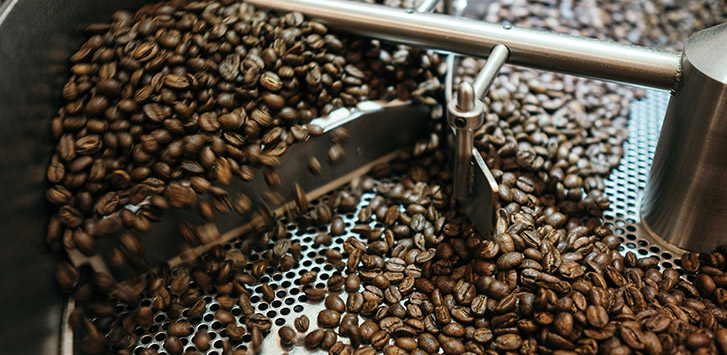
Because the coffee beans are so well-balanced, there is a lot of flexibility regarding the best roast for them. Maragogype (the elephant bean) is best with a light roast that allows the complexity of the bean to come through.
For the rest of the beans, it is often recommended to use a medium roast. This deepens the already present flavors and adds a richness to the brew. Of course, if you enjoy that dark brew flavor, you can also do that. Segovia beans go well with a dark roast as it can increase the nutty and cinnamon flavors.
The Best Brewing Method for Nicaraguan Coffee
Because of the flexibility with roasting the beans, there are a lot of ways that you can brew Nicaraguan beans. Check out our guide to determine good brews for each roast level. The best brew also depends on the grind of the coffee, so keep that in mind if you buy pre-ground or grind your own.
Two great ways to have Nicaraguan coffee are cold brew and milk-based drinks. Cold brew (or Japanese style iced coffee) gives the complex flavor profile a chance to really shine. And the sweetness of the beans lends itself towards milk-based drinks, like a latte.
Conclusion
Today, Nicaragua is the 12th largest coffee producing country in the world. Last year they output 2.7 million 60-kilogram bags of delicious coffee. Known for their well-balanced flavor, it’s sure to give you a delicious brew.