Hong Kong Wine & Dine Festival will be held from the 29th to the 1st.
From Michelin restaurants to local food,
Choi Hyun-suk and Edward Lee will attend… I told you about the taste of Korea

“In Hong Kong, 食 is the most important food, clothing, and shelter. That’s why there’s no class when it comes to food.”
This is the words of a local guide I met in Hong Kong. In Hong Kong, Michelin-starred restaurants do not only look for special people. It’s high qualityFrom innings to street food in alleys, everyone enjoys food according to their taste, even though the price and atmosphere are different.


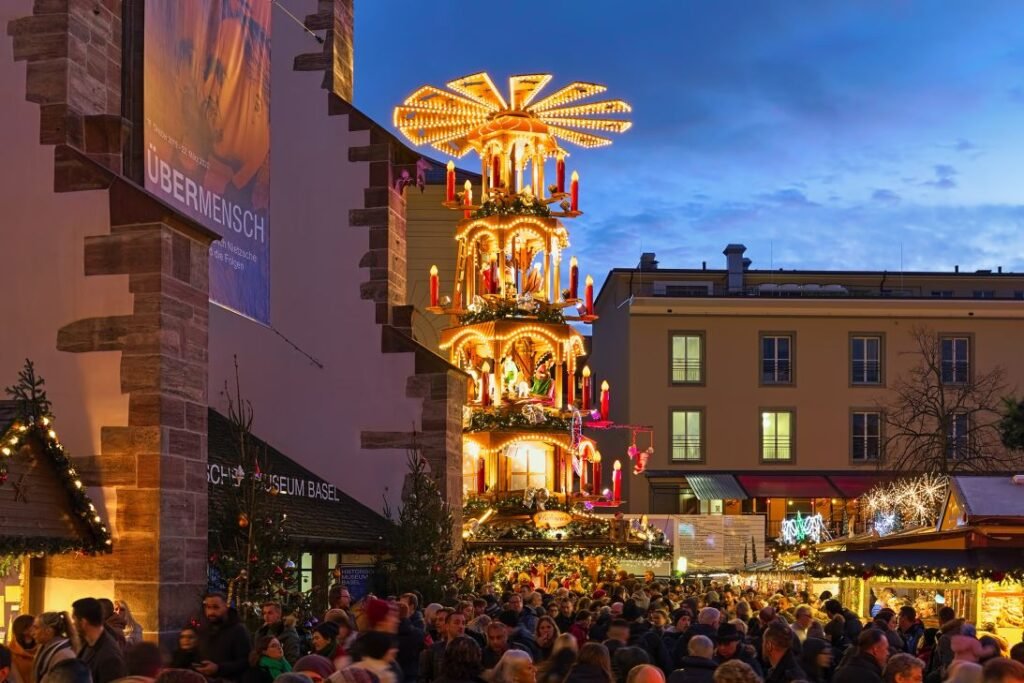
Every fall, a festival is held where you can experience this diversity of Hong Kong gastronomy in one place. It is Hong Kong Wine & Dine Festival, the largest gastronomic festival in Hong Kong. As a port city where cultures of the East and the West have long intersected, food and alcohol from all over the world come together.
From October 29 to 1 this month, more than 340 booths were built at the festival held in Hong Kong’s Central Harborfront area. From Michelin-starred restaurants to street food in Hong Kong to wines and cocktails from around the world. Hong Kong’s gastronomic culture, which encompasses different prices and tastes, was held at the festival.
Fine dining and street food in one place

The way to enjoy the festival is simple. Eat and drink. The first thing that stands out when you enter the venue is the wine glass around the neck of the visitors. Visitors were provided with exclusive wine glasses and pockets so that they could go around various booths and taste various wines. When you buy food and alcohol, you use tokens instead of cash. You can taste it little by little while going around various booths, so you can experience dishes that are not easy to access normally with less burden.
The representative place is the A-Max Gourmet area. Michelin-starred restaurants and fine-dining restaurants in Hong Kong participated and brought dishes that could only be tasted in their usual stores to the festival.

A total of 15 Michelin stars and 5 black pearl diamonds owned by participating restaurants. You can usually taste Michelin restaurant dishes that are not easy to make reservations at one-tenth of the normal price here. Famous restaurants such as one-star Michelin restaurant Belon, Punjab, and three-star Forum Restaurant participated this year.


This year, a space was also set up to bring together Hong Kong’s local food. In one place, you can taste the foods that locals enjoy on a daily basis, including Borobau, a Hong Kong-style pineapple bun, Luobokao, Shumai, and Hagau. Chachanteng’s signature drinks such as Hong Kong-style milk tea and coffee were also introduced.


Wine also had a wide range of choices. Wines from all over the world, including Bordeaux, France, Italy, Spain, China, Georgia, and the United Kingdom, gathered in one place. In addition to wine, a variety of alcoholic beverages and beverages were also introduced, including sparkling tea, low-alcohol craft beer, Asian wine, and handmade cocktails. From wines that can be enjoyed lightly with a few tokens to rare vintage priced at millions of won, it is fun to choose and eat.
In particular, the Grand Wine Pavilion, a collection of rare wines and luxury vintage from world-class wine production areas, was followed by visitors who wanted to taste special wines.

The diversity of Hong Kong gastronomy has also lowered the threshold for festivals. According to the Hong Kong Tourism Authority, the number of visitors this year increased by 5% compared to last year, with 171,000 visitors. People of various ages, from young people who came with their friends to family visitors and the elderly, gathered at the festival.
A Korean visitor who lives in Hong Kong and has been visiting festivals for several years said, “I can enjoy a variety of food and alcohol, so I come here lightly like playing with my friends every year.” A group tourist in his 60s, who first visited the festival, also hinted, “It is not easy to participate in such a festival in Korea when you get older, but it was good to enjoy it comfortably here regardless of restrictions.”
First Korean Pavilion Appears… Chef Edward Lee and Choi Hyun-suk will also participate in the festival


The change to watch at this year’s festival is the first appearance of the Korean pavilion. As the Korean Pavilion was established for the first time, Korean food and Korean liquor companies gathered together. It introduced Korean flavors ranging from familiar foods such as Korean beef, yukgaejang, jajangmyeon, and pork belly to alcoholic beverages such as makgeolli.
Performance Heaven, a company that distributes Korean alcoholic beverages in Hong Kong, collaborated with Pedro An, a bartender of the New Chamber, to introduce a makgeolli cocktail. It is an unusual menu with two pieces of Korean beef on top of a cocktail. A company official said, “I wanted to participate in the Wine & Dine Festival every year, but I was disappointed that I didn’t have the opportunity,” adding, “I participated with joy because I had a Korean pavilion for the first time this year.”

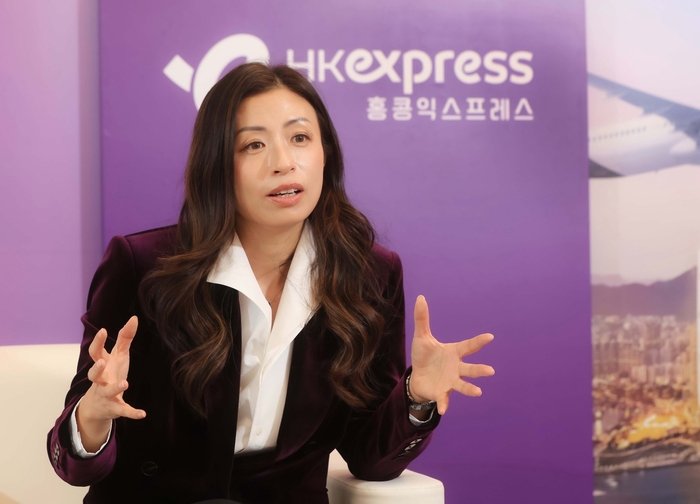
The performance of Korean chefs also drew attention. Chef Choi Hyun-seok and Chef Edward Lee collaborated with local restaurants and festival programs in Hong Kong, respectively, to promote the taste of Korea. Chef Choi Hyun-suk collaborated with the Hong Kong restaurant JIJA by Vicky to present the dish. The ingredients were directly airlifted from Korea to inform Hong Kong locals of the charm of Korean seafood.
Chef Choi said, “I’ve been to Hong Kong several times, but it’s my first time participating in the Wine & Dine Festival,” adding, “I didn’t expect Hong Kong people to like it this much.”

Chef Edward Lee presented Korean food using pork belly, kimchi, and ginseng in the “Tasting Room,” a limited-edition collaborative dining program. “It is an honor to introduce the taste of Korea to the locals on behalf of Korea,” he said. “I want to deliver the story of Korea’s taste in an original and innovative way.”
Chef Lee emphasized ‘exchange’ as a way to enjoy the festival. “A good dinner is not just good food but with good people,” he said. “I hope you will visit wine producers and chefs from all over the world and feel and meet their passion firsthand.”
It’s okay if the festival is over…Hong Kong Gourmet Space 2
There is no need to feel sorry for missing the Wine & Dine Festival. Hong Kong’s gastronomic culture continues outside the festival. It’s not like you have to dress up as a Michelin-starred restaurant or just drink quietly in hopes of achieving global fame. Here are two places where you can experience Hong Kong’s unique free and vibrant gastronomic culture.

The first is Montana, which ranked 36th in the “The World’s 50 Best Bars” by Bar Leone’s sister Bazaar. It features a casual atmosphere and vibrant energy that captures Cuban cocktail culture and Miami’s nightlife. When the night is ripe, bartenders and guests dance and sing together. According to the bartender, a particularly popular menu among Koreans is Cafe Havana, a combination of coffee and vanilla cream.

The second is JIJA by Vicky, a one-star Michelin restaurant. It features a vibrant dining scene rather than the solemnity of a Michelin restaurant. Family guests sit around, order and share various foods, and conversations continue at each table. The restaurant’s name, ‘Let’s’ has the meaning of chattering. The name was given in the hope that customers would talk, hang out, and eat freely. It presents food inspired by Yunnan and Guizhou provinces in southwestern China. It also features tea pairing, which depends on the course.
Hong Kong = Kim Ji Eun Travel + Reporter