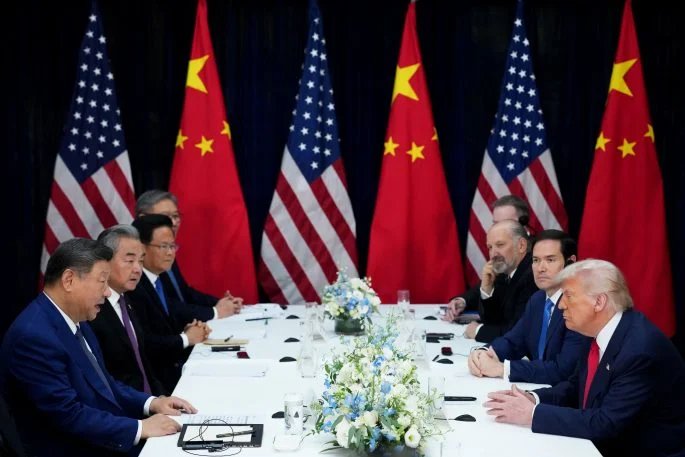
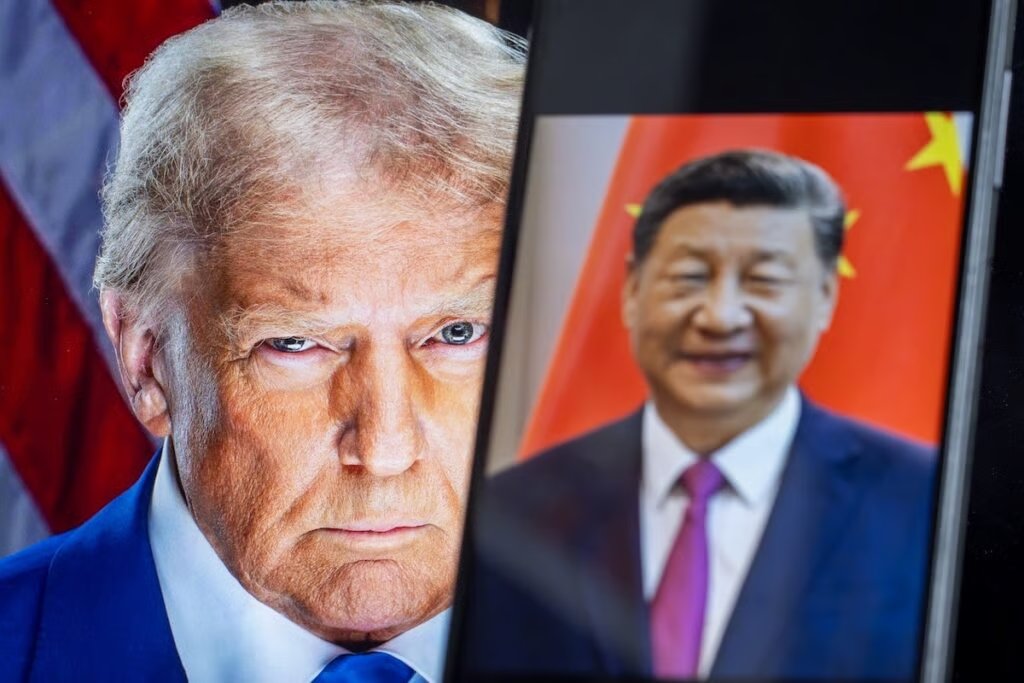
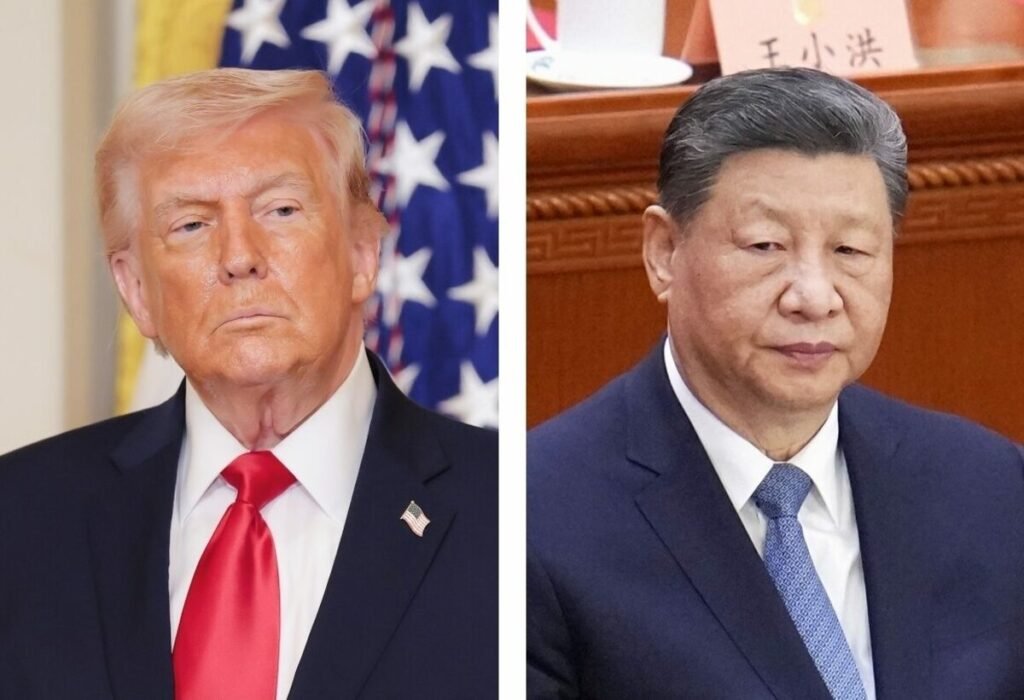
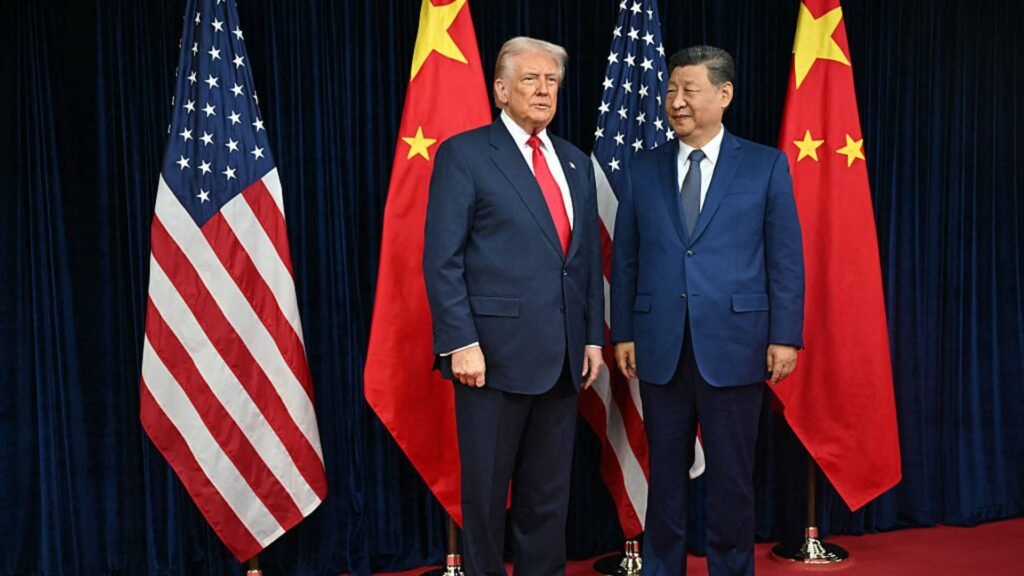
Although the current war with Iran dominates global attention, a more dangerous situation — between two nuclear-armed powers — continues to worsen: the confrontation between the United States and China over Taiwan. While widely recognized, this confrontation has been overshadowed in dealings between Beijing and Washington, where disputes over issues like trade, technology, and fentanyl predominate.
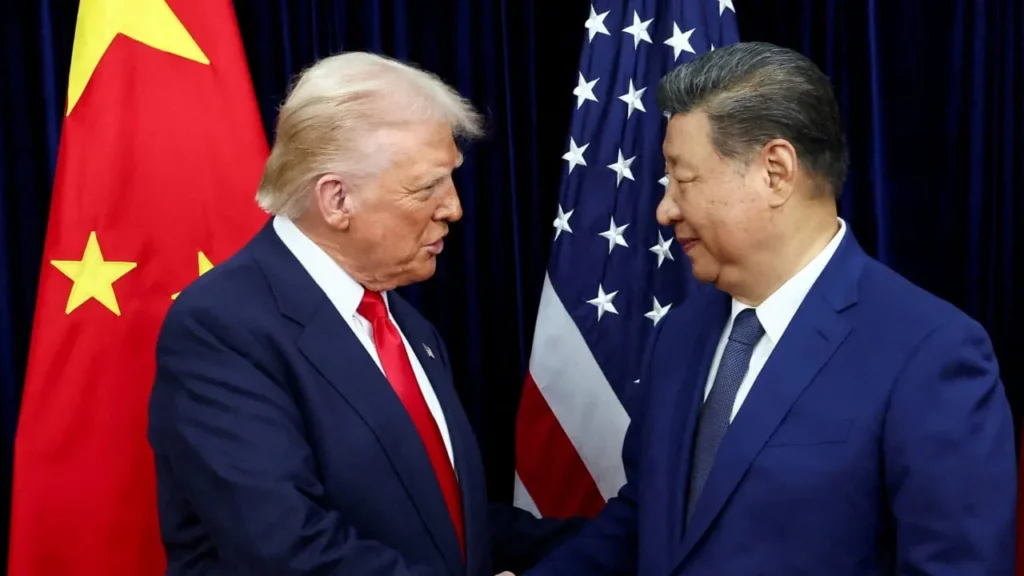
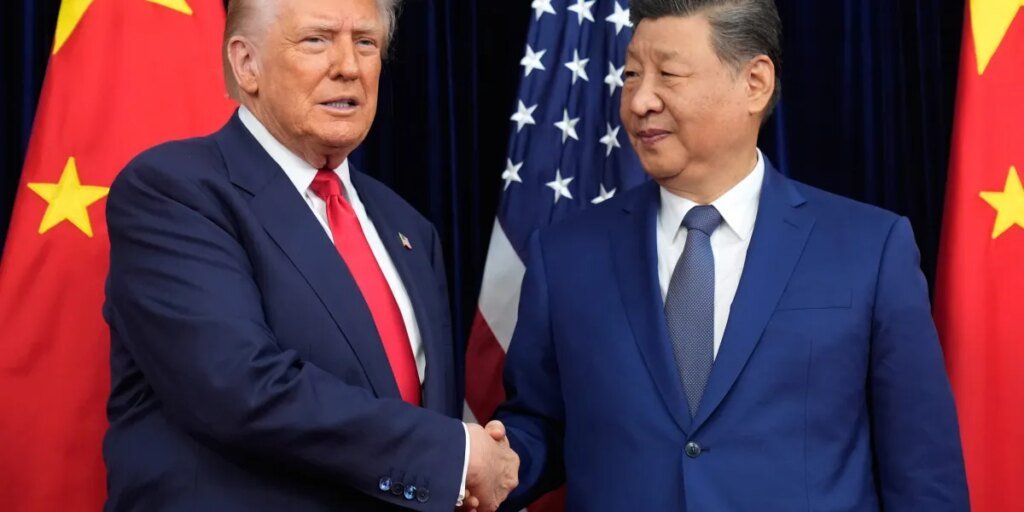
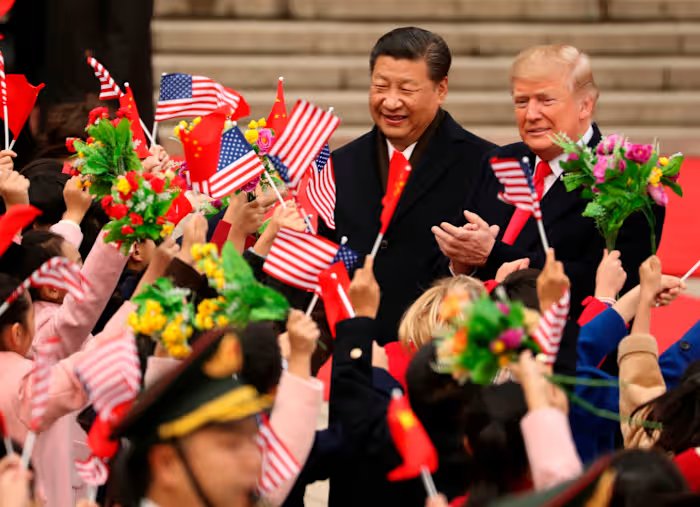
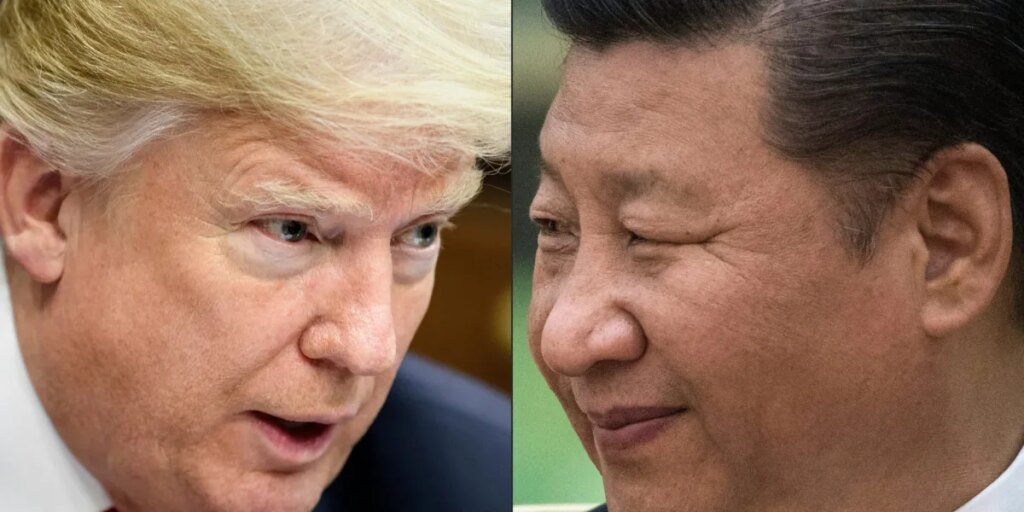
These disputes, while serious, are far less likely to prove catastrophic than the current slide toward a serious crisis or conflict over Taiwan, which could, if left unaddressed, end in a major — possibly nuclear — war. Presidents Donald Trump and Xi Jinping must correct this worsening situation during their upcoming summit.
The growing danger of a crisis or conflict over Taiwan stems from a shared failure in Washington and Beijing to recognize how their own actions are eroding a decades-old understanding that has preserved peace across the Taiwan Strait since the normalization of relations in the 1970s. That framework paired a credible U.S. One China policy — providing Taiwan with defensive arms while maintaining unofficial ties and openness to a peaceful, uncoerced resolution of the issue — with a Chinese commitment to prioritize peaceful unification.
Today, both sides are weakening these commitments. In an atmosphere of deepening distrust, each has intensified deterrent signaling and provocative rhetoric while neglecting the equally essential role of credible reassurance.
On the U.S. side, efforts to demonstrate resolve in supporting Taiwan have gradually eroded the “unofficial” nature of relations with the island. Washington has expanded political, economic, and military contacts with Taipei in size, scope, and visibility. More troubling, official statements and congressional testimony increasingly frame Taiwan as strategically vital, implying that it must remain outside Beijing’s control no matter what. This view directly undercuts the long-standing U.S. One China policy position of openness to any peaceful, uncoerced outcome acceptable to both sides, including unification.
Making matters worse, Taiwan’s current pro-independence leadership has echoed this view and pushed hard for acceptance of the idea that the island stands as a sovereign, independent nation entirely separate from China. In addition, Japan’s Prime Minister Sanae Takaichi has compounded the problem by apparently endorsing the notion that Taiwan is strategically vital to her country. And yet Washington has failed to push back on either action.
Beijing, for its part, sees these steps as evidence of Washington’s creeping support for independence. It has responded by accelerating preexisting military preparations, intensifying exercises, and expanding deployments near the island. Although Chinese leaders continue to affirm peaceful unification as a priority, their actions raise the risk of coercion or force — especially as China’s relevant military capabilities grow relative to those of the United States, Taiwan, and Japan.
The result is a classic action-reaction cycle, steadily increasing the likelihood of miscalculation, in the form of provocative actions and overreactions undertaken by Washington, Beijing, or Taipei. Although not likely to result in a conflict in the near future, this dynamic is steadily increasing the likelihood of a severe crisis, if not clash, possibly within a decade.
At their summit, Trump and Xi should take the following concrete steps to arrest this slide and restore credibility to the original stabilizing understanding.
Most important, Trump should press Xi to state clearly and publicly that China has no timeline for unification and remains committed to a peaceful unification process as a priority. While such assurances have surfaced privately and through lower-level officials, Xi has never publicly rejected the idea of a timeline. Doing so in the presence of a U.S. president would have a significant impact. In return, Trump should reaffirm that the United States remains open to any peaceful, mutually acceptable resolution of the Taiwan situation, including unification.
Trump should also encourage Xi to reconsider Beijing’s “one country, two systems” formula, which is overwhelmingly rejected in Taiwan. In exchange, Washington could support cross-Strait discussions exploring alternative long-term political arrangements. Although the so-called Six Assurances given to Taiwan in the 1980s discourage such a move, the dangers of the current trend lines place a premium on moving toward greater dialogue without compromising Taiwan.
In support of such discussions, and of stability more generally, Trump should urge Xi to establish some channel — public or private — for direct communication with Taiwan’s current leadership. Beijing has long resisted this for fear of legitimizing pro-independence figures, but the risk of miscalculations leading to provocations now outweighs that concern. In return, Trump could pledge to limit his own direct contacts with Taiwan’s leader to facilitating clear communication or reaffirming U.S. policy.
Trump should also make sure to caution China against actions toward Taiwan that intensify the downward spiral, including covert influence operations designed to demoralize and sow discord among Taiwan’s public. These escalating efforts only inflame tensions. At the same time, he should make clear that Washington will discourage Taipei from portraying the island as indispensable to U.S. or Japanese security.
Finally, both leaders should agree to revive and expand crisis avoidance and management mechanisms. A sustained, high-level commitment to such an effort is needed to ensure that subordinate officials on both sides engage seriously in preventing escalation — an area only half-heartedly addressed for too long. In support of this, both leaders should identify a current or former high-level leader to keep the process moving forward.
Taken together, these steps would amount to the most significant effort to stabilize U.S.-China relations over Taiwan since the Obama administration. While it’s unlikely that President Trump is personally invested in Taiwan policy, he cares a great deal about acquiring “historic achievements” and “diplomatic victories” when he wades into global politics, and successfully leading the world’s two foremost powers away from conflict over the most volatile issue between them would certainly be a win.
Some have proposed more dramatic U.S. steps: declaring Taiwan part of China, endorsing unification, explicitly opposing independence, or reducing arms sales. The first two — recognizing Chinese sovereignty or supporting unification — would undermine the One China policy and severely constrain future U.S. options and should be avoided.
Others merit consideration. A clearer U.S. statement opposing unilateral moves toward independence, or a conditional agreement to reduce American arms sales in exchange for verifiable reductions in Chinese military pressure, could contribute to stability if carefully structured. Such steps would not violate U.S. law or core interests, though they would depart from the Six Assurances to Taiwan.
But these measures cannot stand alone. To endure, they would need to be embedded in a broader strategy that also combines deterrence with reassurance — not only on Taiwan, but across the full spectrum of U.S.-China relations — and is clearly explained to the American public.
Trump and Xi must use their summit not merely to manage trade disputes, but to address the far more consequential and increasing risk of conflict over Taiwan. More military deterrence signaling without credible reassurance will only accelerate the slide toward crisis. Reestablishing a balance between these two key policy elements is not a concession. It is the only way to preserve peace.
From Your Site Articles
Related Articles Around the Web