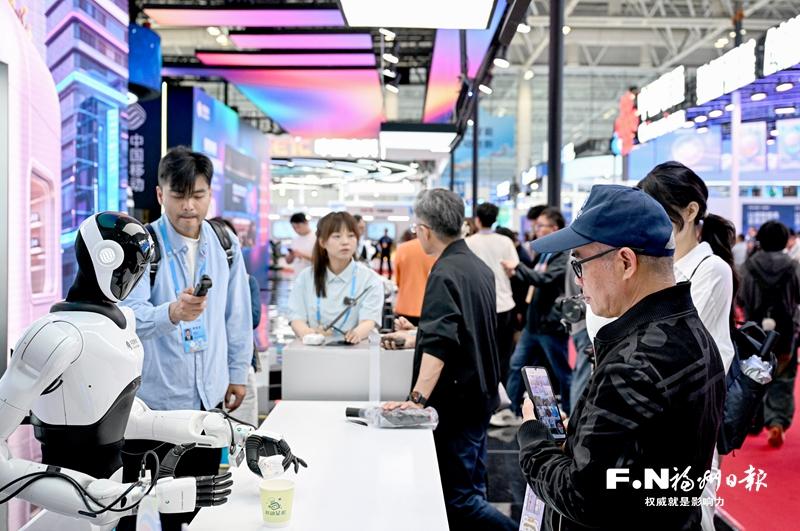
The excitement of the 9th Digital China Summit truly ignites when “black technology” moves beyond display boards and presentations, allowing people to wear, sit on, and operate it firsthand. The on-site experience zones in the exhibition halls are filled with visitors who often shout in awe during immersive interactions. The transition from “simple observation of something novel” to “personal experience” is catalyzing a surge of public engagement propelled by technology, constituting the most immediate and vivid response to this year’s summit.
The “Collecting Red Packets on a Horseback Journey in Fujian” experience at the NetDragon Websoft exhibition in Hall 1 is immensely popular. The experience for visitors involves the use of high-definition VR headsets and intelligent interactive saddles, allowing them to gallop through mountains, seas, and streets. During the ride, there is engagement in fun virtual interactions, such as digital check-ins, to unlock rewards.
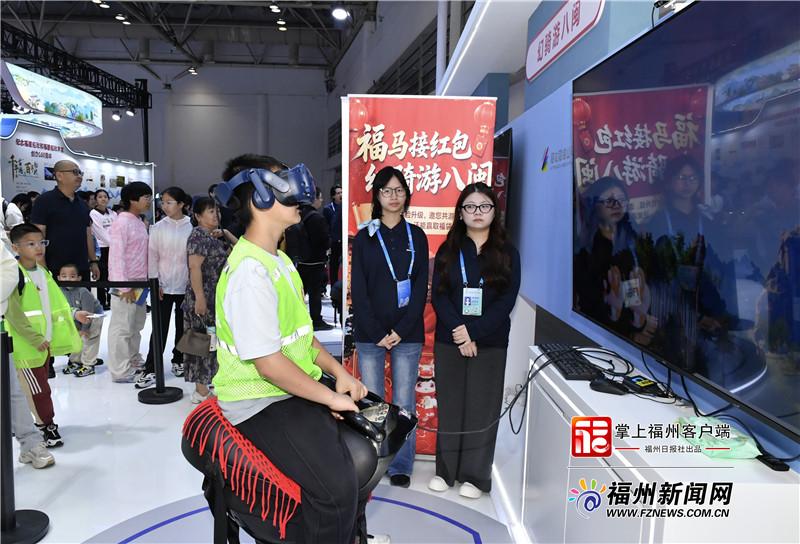
Reportedly, technologies such as VR, high-precision real-scene scanning, and dynamic sensing are used to create immersive experiences centered on renowned Fujian cultural attractions, such as the Wuyi Mountains, Gulangyu, and Tulou (earthen buildings). These experiences deeply integrate gamified storytelling with tourism resources. Ms. Li, a post-90s visitor, praised the experience, saying, “The visuals are incredibly realistic and immersive. It’s so cool to be able to tour all of Fujian’s famous sights in one go without traveling everywhere!”
“I thought this was just an ordinary headset when I first put it on. I didn’t expect it to be so ‘intelligent’,” remarked Mr. Li, whose experience in the Tianjin exhibition area was full of novelty. Following staff instructions, he put on the brain-computer interface (BCI) headband provided by CEC Cloud Brain (Tianjin) Technology Co., Ltd., and tapped a tablet to start the test. Within seconds, a set of real-time data appeared on the screen, clearly displaying his fatigue, focus, and stress levels. “It took less than 10 seconds to assess my current state. It feels like giving my brain a ‘checkup,’” Mr. Li marveled.
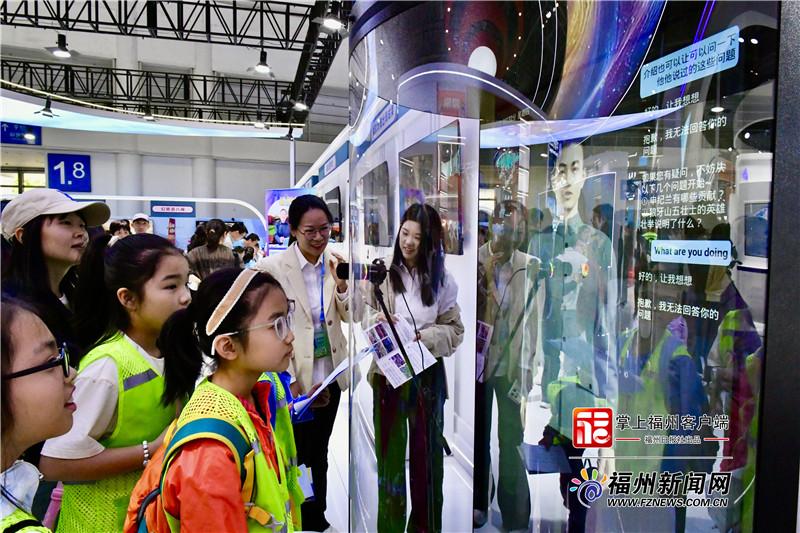
The interactive experiences at the site make the brain-computer interface technology, which was originally somewhat “esoteric,” tangible and comprehensible. Intuitive data feedback enables visitors to witness the “magic” of the technology and to begin to fathom its practical value. In the future, such devices could safeguard personnel in high-risk positions, such as those in rail transit and aerospace, making every operation safer and more reliable.
Technological advancements are expanding the possibilities of cultural tourism experiences. At this summit, Ant Group’s GPASS, a self-developed intelligent terminal trusted connection technology framework, provides industry developers with new technical support. A core suite of device-side capabilities for AI smart glasses is offered to the industry by GPASS using TBox, the Ant Intelligent Agent Development Platform, as a toolkit. This assists cultural tourism AI agent developers and scenic area service providers in efficiently configuring and building diverse intelligent agents. The profound historical and cultural heritage of Three Lanes and Seven Alleys in Fuzhou can then be experienced by local residents and tourists wearing the Rokid AI smart glasses, as the intelligent companion tour immerses them in its services.
“The development of AI applications for cultural tourism smart glasses is to be made as simple as building blocks,” said Wan Xiaofei, General Manager of Ant Group’s Terminal Security. He explained that GPASS’s core value lies in significantly lowering the development threshold for smart terminal applications. Cross-brand compatibility allows developers to quickly access the core device-side capabilities of AI glasses, eliminating the need to focus on the underlying implementation.
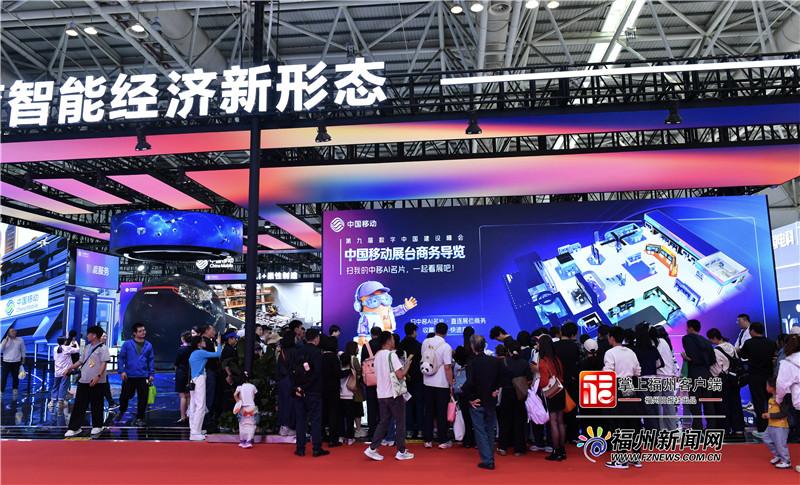
It is reported that the on-site experience area of this year’s summit features multiple exhibition sections and special zones. The core exhibition area, spanning 56,000 square meters, is packed with a sense of technological advancement. More than 400 participating organizations have exhibited over 6,000 technologies, products, and projects, and centrally displayed over a hundred interactive experience items, offering visitors a veritable cornucopia of digital delights “right at their doorstep.” The summit also features a plethora of high-end dialogues and exchange events, amounting to more than 50 in number, culminating in the release of over a hundred authoritative outcomes, including policies, reports, and standards. The summit showcases the latest achievements in Digital China construction, facilitates the exchange of experiences, and fosters consensus on development.