A November 2025 UMass poll of likely Republican voters shows 37 percent backing Mike Kennealy, who was Housing and Economic Development secretary under former governor Charlie Baker, a Republican. Michael Minogue, former CEO of Abiomed, and Brian Shortsleeve, former MBTA chief administrator, trail at 23 percent and 22 percent, respectively.
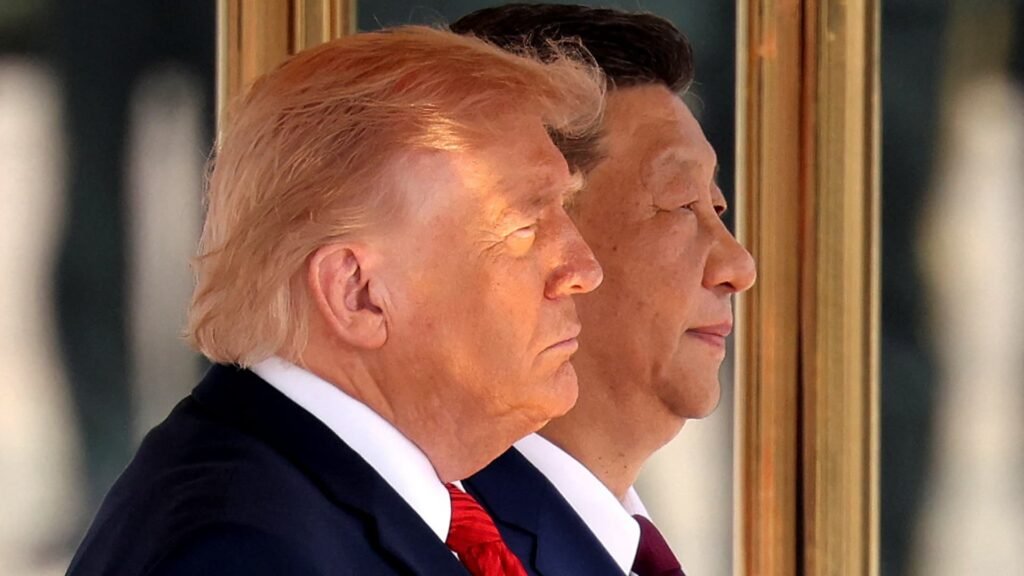
The same poll shows that about 29 percent of GOP voters prioritize “supporting President Trump’s agenda” as among the top three qualities they value when deciding who to vote for, a sizable share. Yet Trump’s low statewide approval rate, well below national figures, is a warning sign. Any Republican nominee who embraces Trump too closely risks reliving the 2022 debacle, when his endorsed candidate, Geoff Diehl, scraped together just 34 percent of the vote against Healey.
Meanwhile, Healey enters the race from a position of strength, with a 57 percent approval rating and double-digit leads over all three declared Republican challengers in hypothetical matchups, according to the UMass poll. In her Jan. 20 reelection launch video, Healey cast Trump as a threat, accusing him of “raising costs” and “tearing families apart.”
For Republicans, channeling Trump supporters’ anti-establishment energy into a disciplined platform begins with a focus on fiscal restraint. Under Democratic control, the state budget for fiscal 2026 stands at $60.9 billion, up $3.1 billion from the previous year, driven in part by soaring costs of housing, energy, and migrant-related services. A GOP nominee could promise deep cuts to bureaucratic excess, like auditing the overburdened shelter system and rooting out waste. Shortsleeve, who made successful reforms to the MBTA, is stressing operational efficiency and tax relief. Minogue, a combat veteran and business leader, has also emphasized eliminating waste rather than automatically increasing spending on certain state mandates, such as the MBTA Communities Act and the Net Zero climate mandate. Either candidate could sharpen the message further by pledging “zero-based budgeting” — requiring every agency to justify its spending from scratch rather than relying on automatic increases.
Deregulation offers another bridge to victory. Trump’s push to roll back federal rules helped fuel growth and investor confidence nationwide. Massachusetts Republicans can apply the same logic at the state level by targeting regulations that many businesses view as costly and unnecessary. For example, the Healey administration’s rollout of the Large Building Energy Reporting mandate has drawn criticism for forcing owners of large buildings to report detailed energy-use data while absorbing higher compliance costs.
Kennealy’s moderate profile gives him credibility to call for reform without alienating independents. By pairing regulatory relief with market-driven solutions, such as streamlining housing permits and accelerating approvals for reliable energy infrastructure, Republicans could offer a practical alternative to Healey’s policies.
Republican candidates should also lean into anti-waste reform as a core message. By channeling Trump’s fraud-busting rhetoric, they can highlight concrete failures, including nearly $1 billion in emergency shelter spending that drew scrutiny for the use of no-bid contracts and disputed charges.
Republicans can pair that critique with clear solutions, such as mandating independent audits across state agencies and tying funding to measurable outcomes. This approach echoes the results-driven governance that kept Baker’s approval ratings consistently above 60 percent. Minogue is well positioned to carry this banner, pointing to his private-sector record of expanding Abiomed’s Danvers headquarters and growing its Massachusetts workforce to more than 1,000 employees. He can credibly argue that state government should be run with the same accountability as a business.
In 2026, with Trump’s tariffs and deportations dominating headlines, a “Massachusetts First” pivot could narrow Healey’s lead. While her approval holds steady in the mid-50s, an internal poll paid for by Kennealy called her “extremely vulnerable” on affordability, energy, and the migrant-driven shelter crisis that has fueled billions in questionable spending. If the Massachusetts GOP unites behind this disciplined strategy after the April convention, it could force a competitive race and puncture Democratic confidence. It is also critical that the party endorses a single nominee early, pools resources for aggressive advertising on local issues, and forces debates to boost name recognition.
Massachusetts Republicans do not need to mimic Trump’s national playbook. Instead, they can channel his populist energy into a focused, state-specific referendum on Beacon Hill. Put Massachusetts first, and the Bay State could surprise the nation as it did with the election of Charlie Baker in 2014.