YAOUNDE, March 30 (Reuters) – World Trade Organization talks broke up with no agreement on Monday on a plan for reform or even on extending a moratorium on e-commerce, piling more pressure on the trade body that finds itself increasingly sidelined by economic nationalism.
The four-day ministerial talks in Cameroon’s capital Yaounde ended in the early hours with Brazil blocking a bid by the U.S. and others to prolong a moratorium on duties for electronic transmissions like digital downloads and streaming.
Expectations for progress had been low before the talks but there had been hopes the moratorium at least would be renewed. In the end, even that proved impossible amid resistance from Brazil, and trade ministers could not agree to extend it for more than two years, which was not enough for the United States, diplomats said.
U.S. officials and business groups expressed frustration at the impasse, and the failure to reach a joint decision was described as a “major setback for global trade” by Britain’s Business and Trade Secretary Peter Kyle.
The talks were deemed a test of the WTO’s relevance after a year of huge trade turmoil and more recent major disruptions due to the U.S.-Israeli war on Iran.
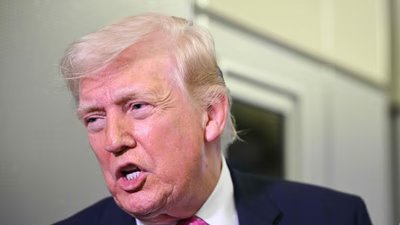
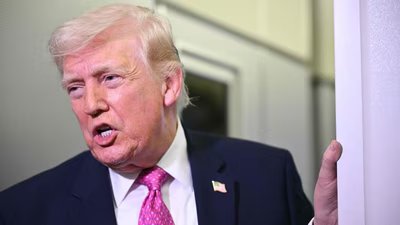
Agreeing on an e-commerce moratorium was seen as key to securing support for the WTO from the U.S., which under President Donald Trump has retreated from global multilateral bodies as he pursues his “America First” agenda.
The WTO said progress was made on a reform roadmap before time ran out, and discussions on issues like reworking its rules to render subsidy use more transparent and make decision-making easier are expected to continue in Geneva in May.
The U.S. and the European Union argue that China in particular has taken advantage of the current rules to their detriment.
DEADLOCK DRAWS TERSE U.S. RESPONSE
Diplomats worked throughout Sunday to close the gap between Brazil’s initial two-year proposal and the U.S., which wanted a permanent extension, by drafting a plan for a four-year extension with a one-year sunset buffer, concluding in 2031.
Brazil later proposed a four-year extension, with a review clause halfway through, but that failed to win support.
Developing countries have opposed a lengthy extension, arguing that the moratorium denies them potential tax revenue.
A U.S. official said Brazil had opposed a “near-consensus document” saying “it’s not U.S. vs Brazil. It’s Brazil and Turkey v 164 members.” A Brazilian diplomat said “the U.S. wanted the sky,” and that it was not prudent to pursue a longer extension given the rapid changes under way in digital trade.
Another diplomat present at the talks said U.S. Trade Representative Jamieson Greer made delegates “uncomfortable” as he suggested there “would be consequences,” if the U.S. did not secure a long-term moratorium extension.
(Writing by Dave Graham; Editing by Hugh Lawson)
Copyright 2026 Thomson Reuters.
Photos You Should See – March 2026