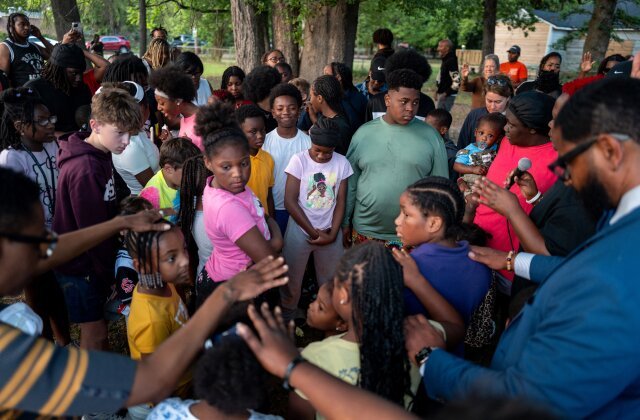
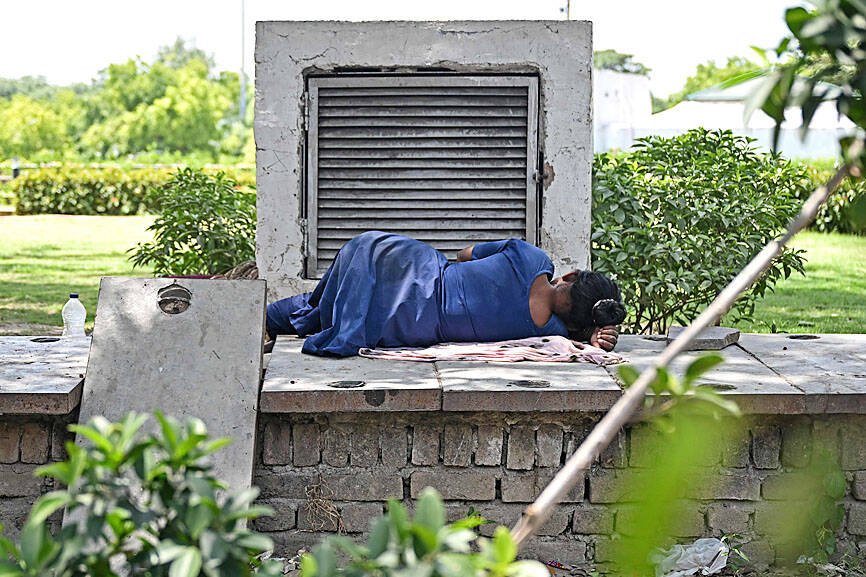
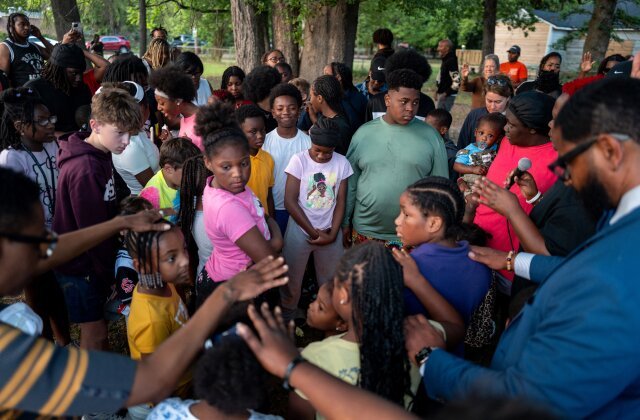
The concerns follow reports that children were killed in northern Gaza after a tent sheltering civilians was hit in a strike. OCHA reiterated that under international humanitarian law, civilians and civilian infrastructure “must be protected at all times.”
Despite the insecurity, humanitarian partners continue to deliver food assistance, including in hard-to-reach areas, UN Spokesperson Stéphane Dujarric told journalists in New York.
As of Monday, aid groups were serving meals and producing around 230 metric tons of bread daily through a network of more than 120 kitchens, bakeries and community ovens, he added.
Settler violence in West Bank continues to rise
In the occupied West Bank, the situation is also deteriorating.
The UN received reports of rising settler-related violence, including attacks on schools, Mr. Dujarric said. In one incident near Ramallah, a child was reportedly killed when a school came under fire, while another school serving around 60 children was demolished in the Jordan Valley and in the Hebron area.
On April 21, 14-year-old Aws Hamdi Naasan and 35-year-old Jihad Abu Naiem were killed during an attack by Israeli settlers in Al Mughayyir village.
UN rights office, OHCHR. described the incidents as part of a “growing pattern of unchecked violence” by a militarized settler movement that operates with State shielding.
In a separate attack east of Ramallah, 25-year-old Odeh Awawdeh was shot and killed after settlers entered the village of Deir Dibwan.
Israeli security forces reportedly raided the town and detained 30 Palestinian men during the clashes, while Israeli media indicated several settlers were also held for questioning.
The UN warned that the lack of accountability for such attacks continues to fuel instability across the territory.

The International Criminal Court Headquarters in The Hague, Netherlands.
ICC confirms charges against former Philippine President Duterte
Judges at the International Criminal Court (ICC) have confirmed all charges against former Philippine President Rodrigo Duterte and committed him to trial charged with crimes against humanity.
In its decision, Pre-Trial Chamber I found “substantial grounds to believe” that Mr. Duterte is responsible for murder and attempted murder under Article 7 of the Rome Statute, the Court’s founding treaty.
The alleged crimes were committed between November 2011 and March 2019 as part of a “widespread and systematic attack against a civilian population” during the country’s anti-drug campaign.
Hundreds of victims to give evidence
The judges based their ruling on evidence presented during hearings in February, as well as submissions from both the prosecution and defence, and victims’ statements.
The case will now be transferred to a Trial Chamber, which will determine the next procedural steps and set a timeline.
Under ICC rules, the accused is presumed innocent and is entitled to a fair and public trial.
Judges have authorised 539 victims to participate in the case, with legal representatives appointed to present their interests.
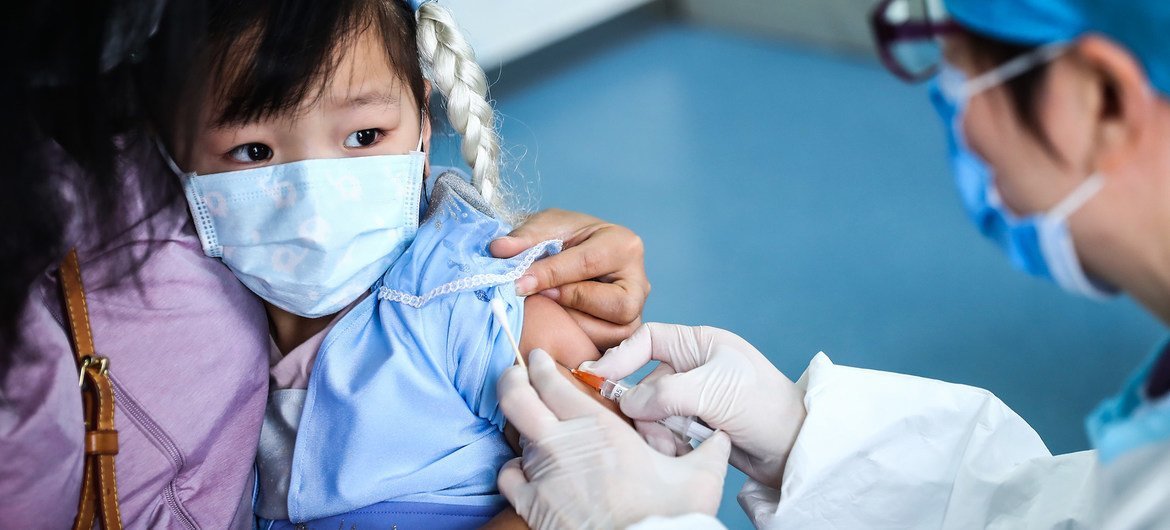
A child receives a vaccine from a health professional.
Millions of children vaccinated in ‘Big Catch-Up’ campaign
More than 18 million children across Africa and Asia have been vaccinated against life-threatening diseases such as measles and polio under a major global immunisation effort, UN agencies and partners have announced.
The “Big Catch-Up” campaign, launched three years ago to reverse declines in vaccination coverage caused by the COVID-19 pandemic, has delivered over 100 million vaccine doses across 36 countries.
Led by Gavi, the Vaccine Alliance, in partnership with the World Health Organization (WHO) and the UN Children’s Fund (UNICEF), the initiative reached an estimated 18.3 million children aged one to five between 2023 and 2025.
‘Zero dose’ cases
Of these, approximately 12.3 million were “zero dose” children who had never received any vaccines, while 15 million had not previously been immunised against measles.
The campaign concluded last month and partners say they remain on track to meet the target of reaching 21 million children.
Despite the progress, agencies warn that gaps remain. Many infants continue to miss out on routine immunisation services, leaving them vulnerable to preventable diseases.