What ordinary investors can learn from this week’s market meltdown

Unlock the Editor’s Digest for free

Others may be working from home in early August — of course they are. But I have to admit it remains full-on holiday mode in my house and to be honest this week’s tumble turn in markets passed me by at first.

Not unlike the British coverage of the Olympic Games in fact, where record-breaking events occur unseen in the background while television pundits drone on about nothing — emulating my family and friends after a long summer lunch.

So I only learned that Japanese stocks had fallen the most since 1987 the following day, just as I was clueless until the morning that Armand Duplantis had jumped 6.25 metres in the pole vault, thanks to yet another TV montage of some medallist’s “amazing journey”.

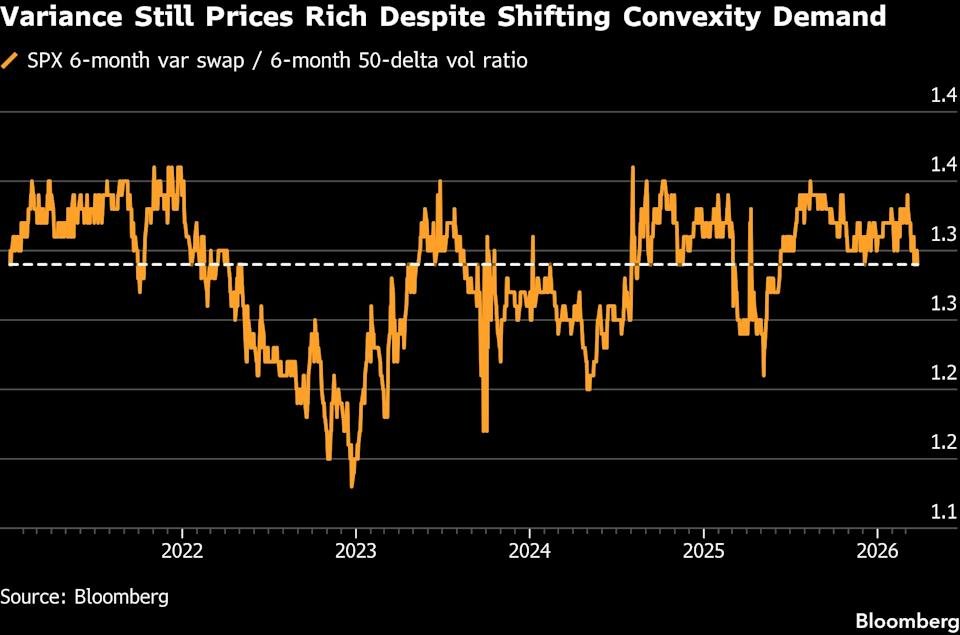
Likewise, having broken my two-martini rule on Monday, I hadn’t a clue that the Vix index — a “fear gauge” which measures the implied volatility of the S&P 500 — had spiked by 42 points at one point. That’s twice the previous biggest moves seen during Covid and the financial crisis.  

Nor were all UK viewers able to watch Noah Lyles in the heats of the men’s 200 metres live either. Then again, a fortnight ago my pension was worth £510,000 and when I awoke on Tuesday it was £30,000 less. Who wants to watch that in real time?

I did warn me. In my last Skin in the Game column before hitting the beach I wrote that the monthly return for global stocks over the two northern summer months is less than half the long-run average.

Worse, July is on average actually a good month for the world’s equity markets. It’s August which has struggled over the past three decades. Grown-ups are all away on vacation, I wrote, leaving junior fund managers in charge.

Is that what happened again this time? We never know who exactly is in the hot seat running our portfolios, but volatility in shares, bonds and currencies is no higher over the summer months than usual. Besides, it matters less now anyway.

Markets turmoil: subscriber webinar

Join Robert Armstrong, chief US financial commentator, and FT colleagues from Tokyo to London for an August 14 subscriber webinar (1200BST/0700EST) to discuss the recent trading turmoil and where markets go next.
Register for your subscriber pass at ft.com/marketswebinar and put your questions to our panel now.

That’s because of the rise of algorithmic as well as short-dated options trading. With the former, big drops automatically trigger more selling. In the 100th of a second which often separates gold and silver, billions can be lost.

By their nature, meanwhile, options prices trampoline like Bryony Page. Indeed, this is why they have become so popular with traders — especially the very short-dated options that expire within a week or even a day.

For example, retail investors’ share of the US options market has risen from roughly one-third before the pandemic to half now, according to New York Stock Exchange data. At the same time, short-dated options went from 6 per cent of the options market to a quarter today.

Add a (misleadingly) weak US employment report on Friday to technology jitters and holiday low volumes and no wonder prices gaped. It was a similar but different story in Japan. Sure foreigners fled. But Mr and Mrs Watanabe panicked too.

Come Tuesday, however, I knew there’d be no live coverage of the men’s long jump final (“We cross now to an in-depth interview with a 12-year-old skateboarder!”) so I stayed up to monitor the predictable rebound in global markets.

Now things have calmed, what is the right way to think of these latest ructions? I have seen lots and frankly this one is no different in my view. The S&P 500 down almost a tenth in two and a half weeks? It happens.

Perspective is key. All the headlines around Monday were negative. Yet the holders of many bonds (a market bigger than equities) have had a lovely time, thanks very much. My boring Treasury fund is up 3 per cent in the past month.

Likewise for each hedgie on the wrong side of the yen carry trade — where you borrow in a stable or depreciating currency at low interest rates to purchase higher-yielding assets — there are investors with big smiles.

My main rule is always to look at sell-offs (or rallies for that matter) in the context of valuation. A big fall in Nvidia’s share price since June, or the halving of Tesla’s from its high, are very different to a sudden one-fifth correction in Japanese stocks.

Overvalued securities don’t need an excuse to fall — though you will always hear one. Valuation ratios are one of the few metrics in finance that mean revert. They may take a while (longer than you can remain solvent, anyway) but normalise they do.

Undervalued or fairly valued assets also drop for no reason. But when this happens, you should quickly buy some more if you can. If you cannot, do nothing. Whatever happens, do not sell.

This is crucial. The reason is because rebound days, such as the one that happened on Tuesday, are massive drivers of performance. And they tend to follow so soon after a crash that timing them is impossible.

Take my fave Japanese equities. Over the past 15 years, they have plummeted by more than 5 per cent in a single day 10 times. Leaps of 5 per cent or more occurred eight times, and these mostly happened within a week of a sell-off on average.

Excluding two rallies out of the blue, if you missed the rebound days which closely followed the sharp declines, then your total return over the period would have been 160 per cent instead of 184 per cent. That’s a hefty sum forgone from 6 days.

So hang in there! My portfolio trailed the S&P 500 by more than 10 per cent in the year to date. That has now halved. Stay diversified. Own cheap assets. I’m now off to read with my eyes closed — as my dad used to say every afternoon on holiday. 

The author is a former portfolio manager. Email: stuart.kirk@ft.com; Twitter: @stuartkirk__
Source link

Visited 1 times, 1 visit(s) today

Related Article

How the Stock Market Performs After a Correction

I wrote piece last week called A Short History of Stock Market Pullbacks to show how often stocks are down certain levels over time: I like to do this when the stock market falls just as a reminder that it’s completely normal. Here’s the natural follow-up question I received: Do you have any charts or data

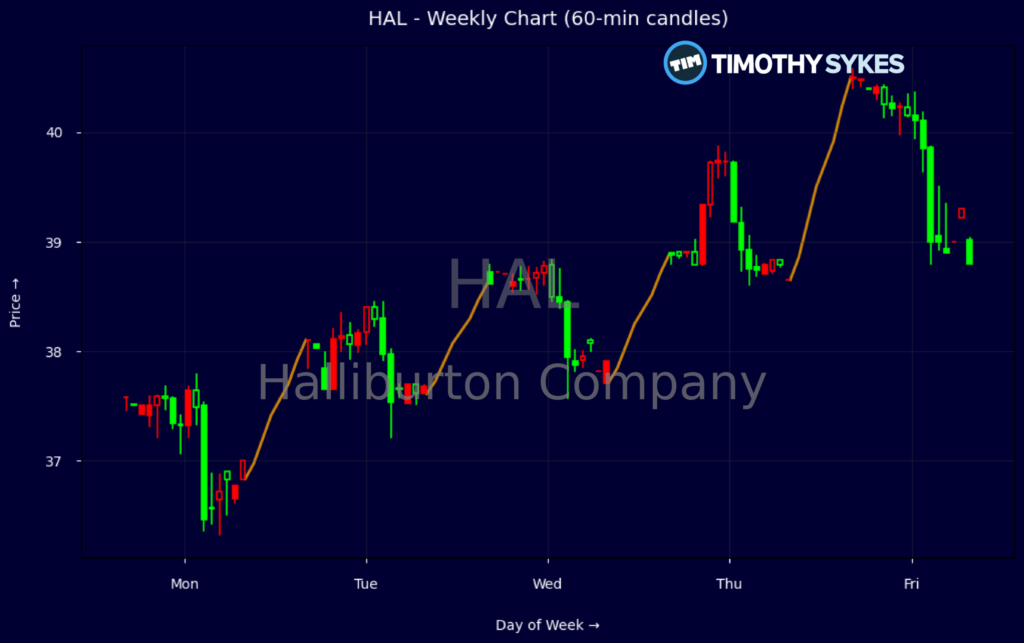
Halliburton Seizes Market Momentum with Automated Offshore Breakthrough

Halliburton Company’s stocks have been trading up by 4.38 percent amid strategic investments and growth optimism. Weekly Update Mar 23 – Mar 27, 2026: On Sunday, March 29, 2026 Halliburton Company stock [NYSE: HAL] is trending up by 4.38%! Discover the key drivers behind this movement as well as our expert analysis in the detailed

One Is Built for a Recession. Here’s Which One to Own.

It’s hard to find a truly recession-proof stock, but some companies are better equipped to weather recessions than others. When it comes to digital payments, Visa (NYSE: V) and Mastercard (NYSE: MA) run a virtual duopoly, but one is much better positioned to endure a recession than the other. If you had to choose between

Wall Street touts ‘grind lower’ trades as Iran weighs on stocks

(Bloomberg) — As the Iran war heads into a fifth week, Wall Street bank strategists have been touting trades that would pay off if a stock-market selloff is slow and steady. BBVA recently recommended April Euro Stoxx 50 Index put spreads, citing market complacency even in the face of a US troop buildup, while JPMorgan

The economics of war extend far beyond energy prices and stock markets

In the aftermath of the 2008 financial crisis, student groups pushed for curriculum change in economics. They wanted to learn about real-world economics beyond the stylized models that embroil students in mathematics. As an economics professor, my own students have asked me about issues like Gaza and Iran, when textbooks aren’t much help. Based on

1 Ridiculously Easy Way to Beat the Stock Market Experts

In the investment management industry, professional fund managers certainly get idolized. Whether it’s their sharp suits, clear commentary, or huge paychecks, it’s not surprising if regular investors want to emulate their strategies. After all, we’re all after big returns. But retail investors don’t need to do this. Here’s one ridiculously easy way you can beat

Intraday chart for The Hong Kong and China Gas Company Limited

Italy’s BFF Bank flags potential $920 million rise in past-due credit exposure

Market Closed – Borsa Italiana 12:45:00 2026-03-27 pm EDT 5-day change 1st Jan Change 3.180 EUR -0.56% +5.30% -66.53% Published on 03/29/2026 at 08:27 am EDT Reuters © Reuters – 2026 Mar. 20 European markets lack momentum, Brent falls below USD110 AN Mar. 19 Bearish sentiment grips markets; TIM deal sends Inwit tumbling AN Mar.

Over 700 Chinese A-share firms release financial results for 2025, with hard-tech sector posting notable performance

stocks File photo:VCG More than 700 Chinese companies listed on the domestic A-share market had released their financial results for 2025 as of Sunday, with hard-tech firms posting impressive earnings performances, according to domestic financial service provider iFinD.  Among the 737 A-share companies that had released their results, 634 reported profits, while 103 reported losses.

Fed Chair Jerome Powell Just Sent a Signal That Could Shake the Stock Market

Rising levels of inflation wrecked the stock market party in 2022. Could the same happen in 2026? Federal Reserve Chair Jerome Powell certainly thinks it is a possibility. After the Federal Reserve decided to keep interest rates unchanged at its latest policy meeting, the central bank’s leader said it is taking a wait-and-see approach to

Manager of Top 2% Fund Warns S&P 500 Poised for ‘Material Downside’

GQG Partners has been vocal about its view on the AI trade over the last several months, publishing a four-part report from September through early March detailing why it’s a bubble “on steroids” waiting to burst. In a call with Business Insider this week, the firm doubled down on its views, warning that the S&P

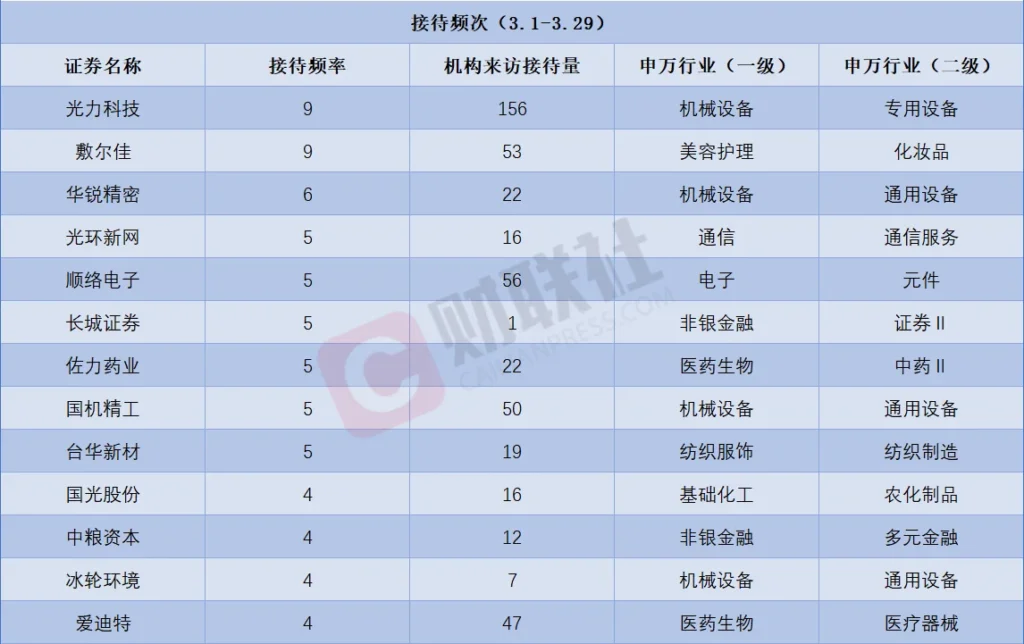
CPO-related stocks prominently feature among the list! Here’s an overview of popular stocks that received the most institutional research visits in March.

①The CPO concept stock Yuanjie Technology has become the second-highest priced stock in the A-share market. In addition, as of Friday’s close, Meinuohua achieved a 6-day 5-limit uptrend, and Rongjie shares gained four consecutive limit-ups. ②Compile a list of the top ten stocks in terms of institutional visits and reception volume from March 1 to

The Trump Bull Market Is About to End — but These Stocks Will Rise Anyway

I predict that the Trump bull market will soon end. But there are two somewhat troubling issues with this prediction that need to be addressed right off the bat. First, less than three months ago, I predicted that the S&P 500 (SNPINDEX: ^GSPC) would deliver a single-digit gain in 2026. However, an important part of

ET logo

Dow S&P 500 and Nasdaq slide as oil surges: Will the US stock market see a big crash ahead? How will Dow, S&P 500 and Nasdaq move — Are rising oil prices and 2% market drop signaling bigger market sell-off?

US stock market crash narrative is gaining momentum after a sharp sell-off wiped out billions in value in a single session. The S&P 500 dropped 1.74% to 6,477.16, the Dow Jones fell 469 points, and the Nasdaq Composite slid 2.38%, marking one of the weakest stretches in recent months. At the same time, WTI crude

Here’s ARK Innovation ETF’s Vision for the Future. Do You Agree With It?

With many exchange-traded funds, all an investor needs to believe is that the stock market will continue to rise. With more than a century of stock market history supporting that idea, that’s not a big ask. But when you move into the realm of actively managed ETFs, you have to believe in the vision that

How The Essent Group (ESNT) Investment Story Is Shifting As Analyst Views Converge

Never miss an important update on your stock portfolio and cut through the noise. Over 7 million investors trust Simply Wall St to stay informed where it matters for FREE. Essent Group’s model fair value has been adjusted slightly, with the price target moving from US$68.31 to US$68.06 per share. This small shift sits alongside

“I Would Rather See You in Something That’s Really Much More Name-Brand”

Vermilion Energy Inc. (NYSE:VET) was featured on Mad Money as Jim Cramer shared his take on the stock amid a sliding macro environment. During the lightning round, a caller asked for Cramer’s thoughts on the stock, and he replied: You know what, look, you can get the same, you get a terrific return, not the

0
Would love your thoughts, please comment.x
()
x