If Bill Gates had never sold a single Microsoft share since 1999, his net worth today would likely dwarf even the wildest “world’s richest person” estimates, and his influence over Big Tech and philanthropy would look completely different.
1999: The Moment Gates Started Letting Go
In 1999, at the peak of the dot‑com boom, Bill Gates owned roughly 1 billion Microsoft (MSFT) shares, close to 20% of the company. Even after some earlier selling, an SEC filing that year still showed him holding about 787 million shares, worth more than 72 billion dollars at the time, an almost unimaginable fortune for the era.
From that point forward, Gates began a slow, methodical process of selling down his stake. He stepped back from day‑to‑day leadership, pivoted toward philanthropy, and used Microsoft stock as the primary fuel for what would become the Bill & Melinda Gates Foundation. Over the next two decades, his ownership shrank from a massive double‑digit stake to roughly 1-1.5% of Microsoft today.
The “What If” Scenario: Holding Through to a $3 Trillion Giant
Here’s where the thought experiment gets wild. Microsoft’s market cap has surged to around 3 trillion dollars, but Gates’ piece of that pie has shrunk dramatically as he sold and donated shares.

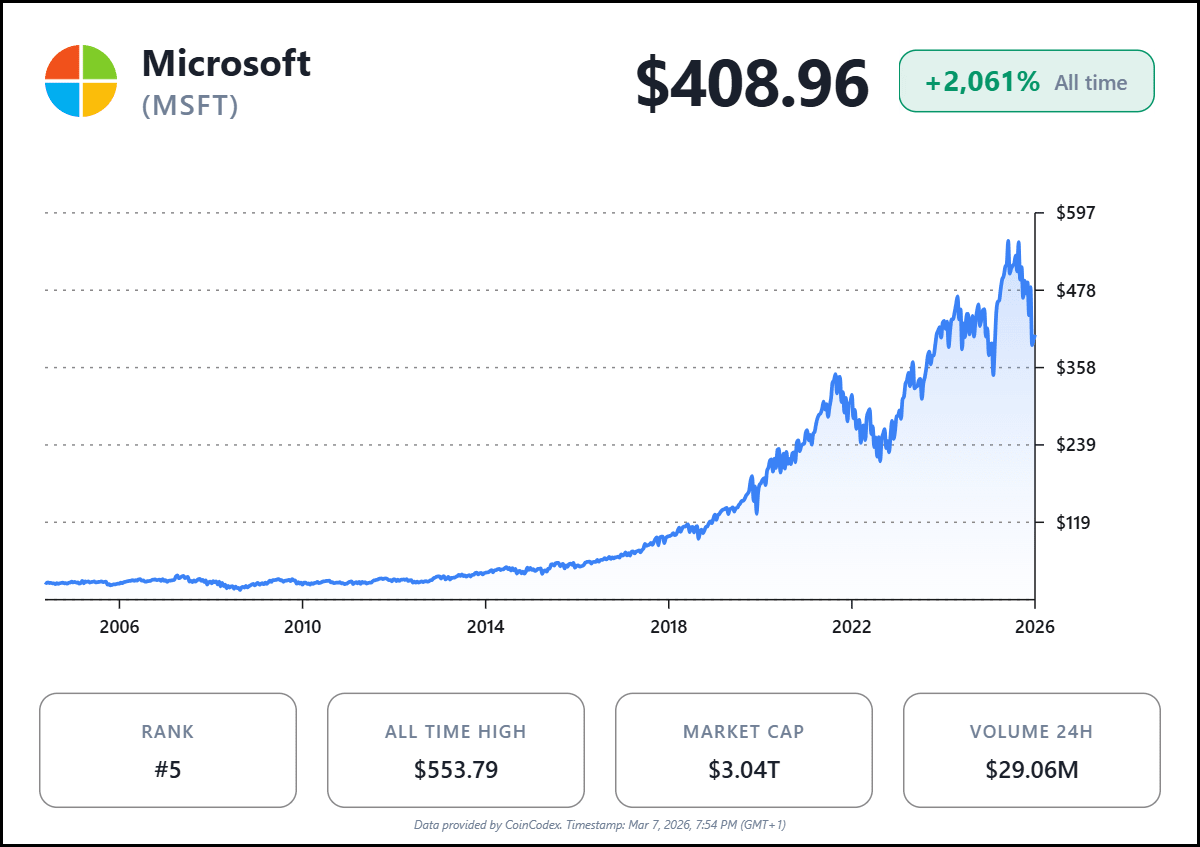
Interestingly, the company’s massive AI spending has recently come under scrutiny, with some analysts warning the stock could face pressure despite strong earnings. Read our MSFT stock forecast analysis that explores whether heavy AI investments could trigger a short-term correction.
Social posts and analyses have noted that Gates’ stake is now barely over 1.3%, despite Microsoft becoming one of the most valuable companies in history.
Now imagine this:
-
Instead of selling, Gates keeps roughly 1 billion shares from around 1999.
-
Microsoft executes its stock splits (including the 2‑for‑1 split in March 1999 and another in 2003), doubling those holdings multiple times.
-
His adjusted share count over time would explode, giving him a stake potentially worth hundreds of billions, if not well over a trillion dollars today, depending on which exact starting point you model.
In other words, if Gates had simply held tight, he might not just be the richest person in the world, he could be in a wealth category of his own, with a single-stock position rivaling the market caps of entire sectors.
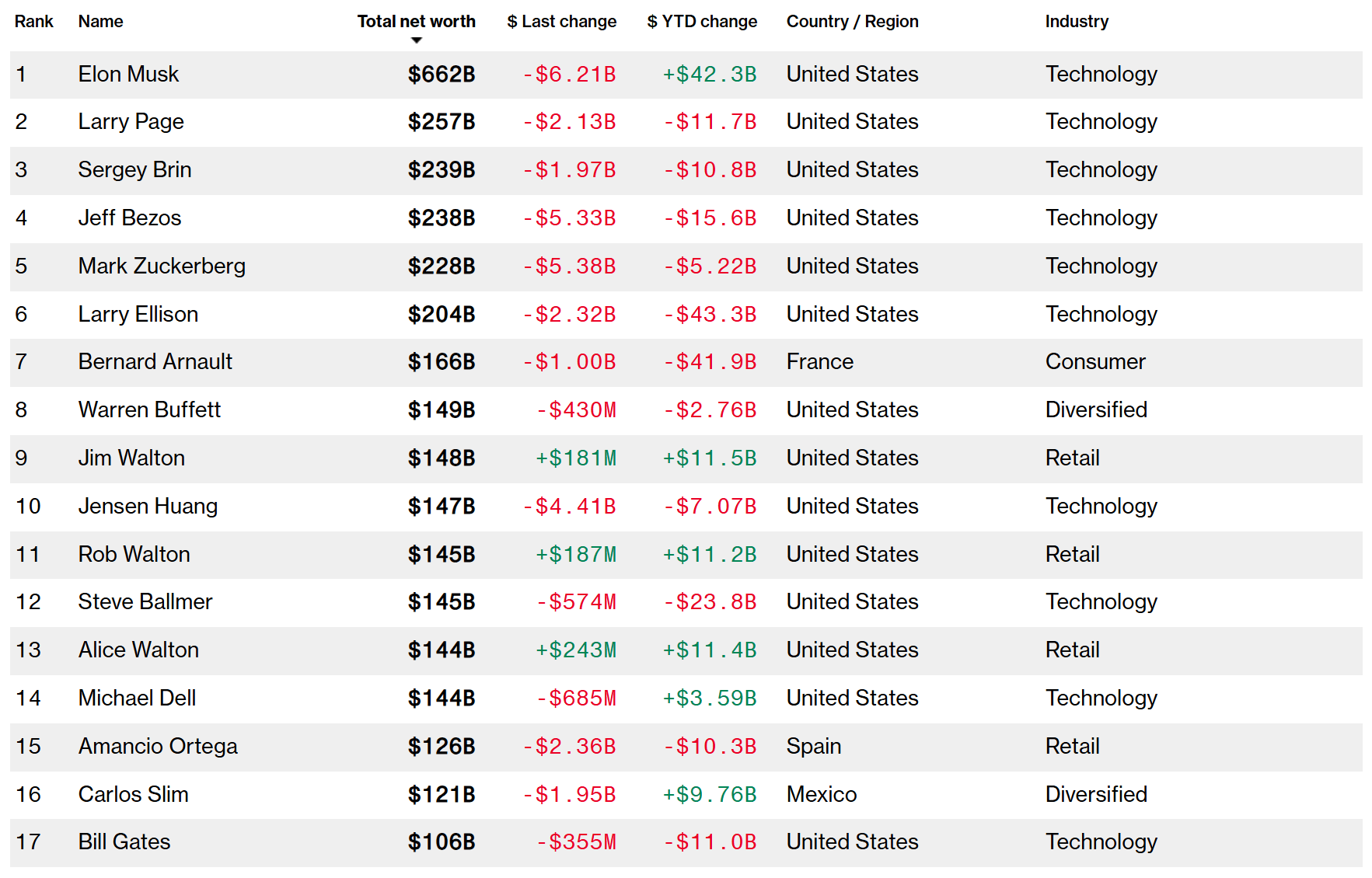
In that scenario, the current list of the world’s richest people would look dramatically different, with Gates potentially standing far above today’s leaders such as Elon Musk, Jeff Bezos, and Bernard Arnault.
How Tech, Markets, and Philanthropy Would Look Different
That alternate universe would ripple far beyond one man’s net worth.
Gates would likely remain the dominant voting force inside Microsoft. With a stake large enough to shape corporate direction, he could still wield significant influence over strategy, leadership decisions, and even major acquisitions simply through ownership.
At the same time, the psychology of tech investing might look very different. A founder holding an enormous, untouched stake through every bubble, crash, and AI boom would become the ultimate “diamond hands” legend, a symbol of long-term conviction that could shape how investors think about holding major technology stocks.
Philanthropy would also look different. The Gates Foundation might be smaller today but potentially far larger later. Instead of selling shares along the way to fund global health and education programs, Gates might be sitting on a massive unrealized fortune, delaying some of the world’s largest charitable donations until much later.
This hypothetical world reveals a fundamental trade-off: extraordinary personal wealth versus decades of real-world impact funded by those stock sales.
The Lesson Hidden in Gates’ Missing Trillions
What makes this “what if” scenario so fascinating is that it flips the typical narrative around tech billionaires.
Bill Gates, often seen as the ultimate example of technology wealth, actually chose to walk away from an even larger fortune in order to diversify, reduce risk, and fund global philanthropy.
Had he never sold a share, he might be remembered as the greatest long-term holder in market history, a living example of how a single early bet on the right company can create generational wealth on an almost unimaginable scale.
Instead, Gates used those shares to fund vaccines, education initiatives, and global health programs that have affected millions of lives.
For everyday investors, the takeaway is simple.
Long-term conviction in great companies can be life-changing. But there is also power in occasionally taking profits, diversifying risk, and building a life, and a legacy, that goes beyond the number on a portfolio screen.