Summary created by Smart Answers AI
In summary:
- Tech Advisor explores the potential comeback of mini-phones, suggesting manufacturers could offer smaller, cheaper devices like a proposed “iPhone 17e” to address smartphone fatigue across generations.
- New Si/C battery technology overcomes previous limitations of compact phones, while modern mid-range processors provide flagship-level performance in smaller form factors.
- Growing user demand for simpler, more comfortable devices focused on basic apps rather than multiple cameras and large screens presents a market opportunity manufacturers may have abandoned too early.
With improvements to battery tech, rising component costs, and a backlash against the space (both physical and mental) that phones take up in our lives, it might be time for another attempt at a mini-phone revival. Who’s with me?
Two separate conversations with non-techy friends have got me thinking that Apple and Asus were a little hasty in exiting the mini-phone market.
Friend one sought to pre-empt my expected scorn when he tentatively fished out a brand new iPhone Air. His eagerness to justify himself was understandable, given that the reviews from my colleagues in the tech press had been less than glowing.
To paraphrase his point: “I don’t need three cameras. I just want a phone that’s comfortable to use when I’m lying in bed.” It was impossible to find fault with his pithy argument.
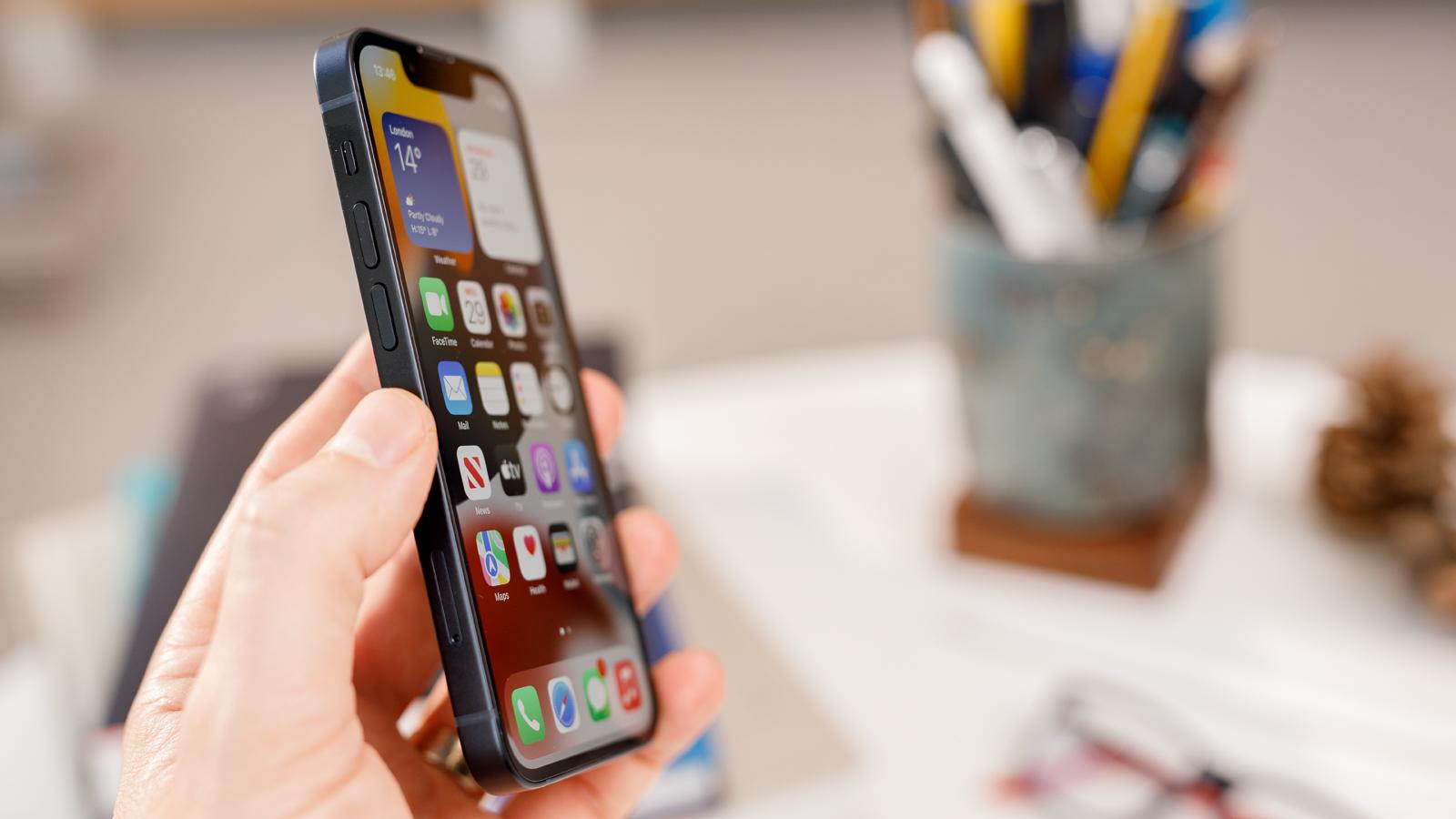
Friend two was seeking a replacement for his creaking iPhone 13 mini – Apple’s last compact phone to date, launched all the way back in 2021. While a very different personality to friend one, his list of requirements was broadly similar.
He didn’t take a lot of photos, he wasn’t what you’d term a ‘power user’. He just wanted a device for WhatsApp, Instagram, email, and a smattering of music-creation apps – crucially in the smallest, least obnoxious form factor possible.
Jim Martin / Foundry
Don’t call it a backlash
It’s too nebulous to call it a smartphone backlash, but there’s definitely a sense that many people are sick of the space (both physical and mental) that smartphones are taking up in their lives.
Millennials and Gen Xers look back to formative years enhanced by personal interactions and relative anonymity, while Gen Zers bemoan the toll of being permanently connected. There’s even been a small resurgence in dumbphone use.
The uncomfortable fact for smartphone manufacturers is that many of us are seeking less from our phones, not more. But perhaps that needn’t be so uncomfortable.
With component costs spiralling, manufacturers are struggling to innovate. They’re either being forced to bump up the price of their latest smartphone offerings, or are essentially demanding money for old rope.
What if the answer to their problems is to give us less? To give us smaller phones with smaller screens, less RAM, more modest processors, and less elaborate camera systems – and all at a lower, possibly even mid-range, price.
The Achilles heel for previous diminutive handsets was always battery life, but that’s no longer a factor. Thanks to silicon-carbon (Si/C) technology, OnePlus just announced a phone that’s about the size of an iPhone 17 Pro (so, relatively small by modern standards), but with a battery capacity that’s about 88% higher.
With denser batteries onboard, allied to modern mid-range processors that are often indistinguishable from flagship equivalents in the hand, you have to think that a modern mini phone would be able to give an awful lot of people what they actually want.
Mattias Inghe
Haunted by failure
The uncomfortable data point in all this is that both the previous generation of mini-phones and the current generation of skinny phones have been commercial failures. But that could be a problem of market positioning rather than anything else.
Perhaps people took issue with being asked to pay flagship (or near-flagship) prices for phones that are less capable, even if those extra capabilities proved superfluous to many.
I’m not envisioning a skinny iPhone 17 Pro Max or a tiny iPhone 13 – essentially what the iPhone Air and iPhone 13 mini turned out to be – but rather a smaller and even cheaper iPhone 17e.
I know at least two people who would be interested in just such a thing. Any other takers?