Report cites retail outflows into US stocks as key driver of depreciation pressure
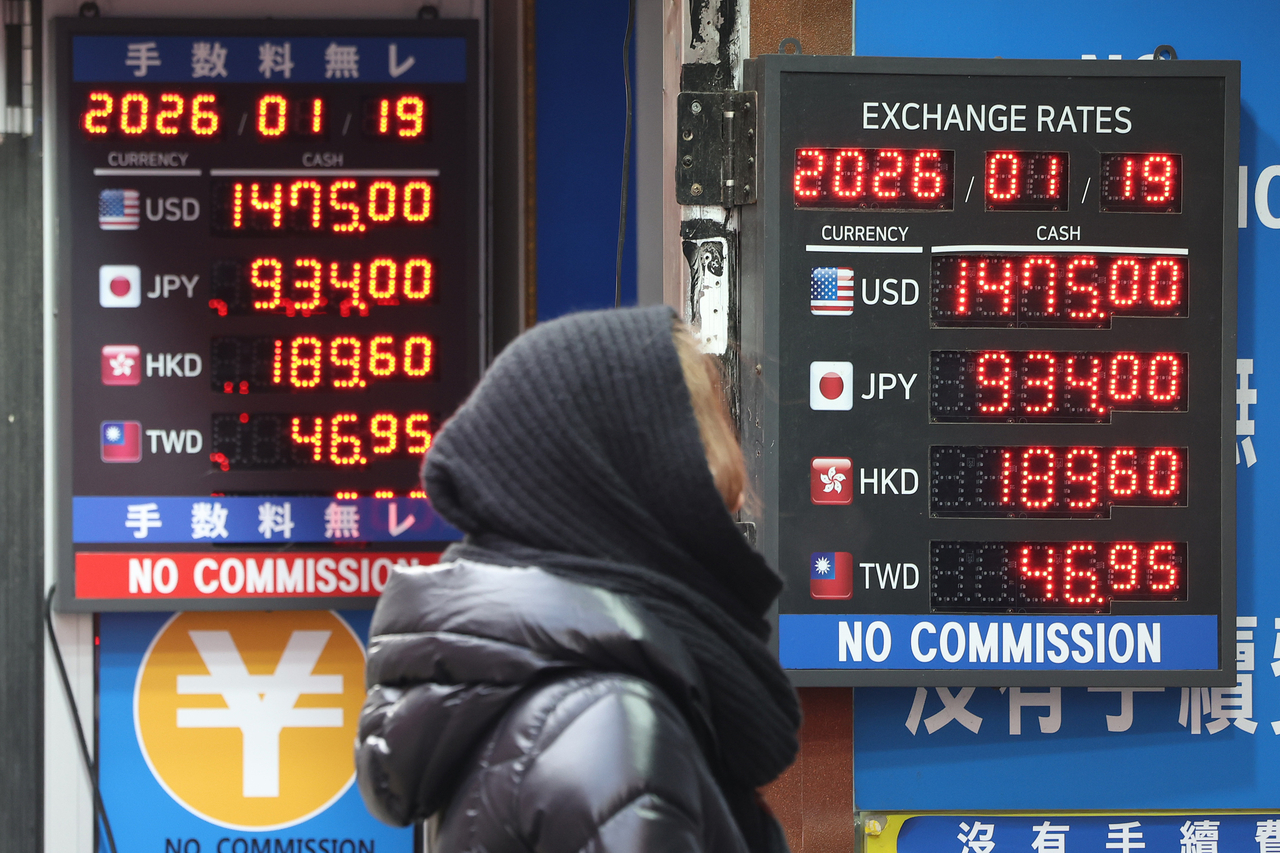
South Korea remained on the US Treasury Department’s currency monitoring watchlist updated Thursday, signaling caution as Asia’s fourth-largest economy seeks to hold the won’s value against the greenback.
The US Treasury issued the Macroeconomic and Foreign Exchange Policies of Major Trading Partners of the United States report, maintaining Korea on its monitoring list for extra foreign-exchange scrutiny.
Korea was first added to the watchlist in April 2016. It was dropped from the list in November 2023, but was reinstated in November 2024. It has remained on the list since.
In the latest report, Korea was kept on the list for posting a $52 billion trade surplus with the US and recording a current account surplus equivalent to 5.9 percent of its GDP.
It did not meet the threshold for forex market intervention, as the local forex authorities net sold dollars on the market rather than purchasing them — equivalent to 0.4 percent of its GDP — to strengthen the ailing won.
The won was quoted at 1,432 per dollar when onshore trading kicked off Friday, weakening by 5.7 won from the previous session.
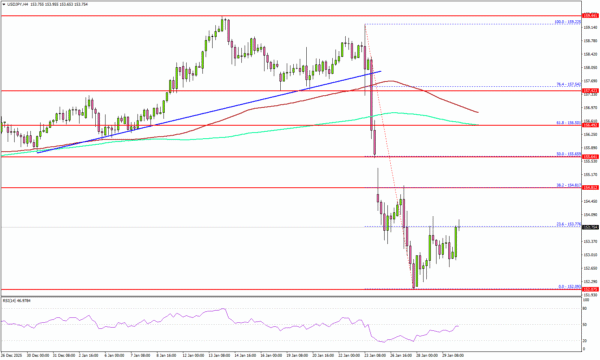
The local currency has seen sharp swings in recent weeks, amid US officials’ mixed signals regarding the country’s intent to intervene in the Japanese yen, a proxy of the won.
On Wednesday, the Korean won strengthened into the 1,420 won-per-dollar range for the first time since late December, before retracing some gains and returning to the 1,430 range.
Treasury eyes Korean investors rush to US shares
While retail investors continued investment in overseas shares, including the US, has been cited as a reason for pushing the won’s depreciation against the dollar, the report also highlighted this move.
It noted Korean private sector portfolio outflows have been the principal driver of depreciation pressures in 2025, more than doubling between July 2024 and June 2025 to $107 billion.
“The private sector outflows stem from retail investors purchasing overseas equities in a ‘unique phenomenon,’” it said, quoting the Bank of Korea.
The report further highlighted that Korea maintains significant openness to capital flows. But it stated Korea does not allow deliverable offshore trading of the won or the holding of won accounts abroad.
The currency swap line between the Bank of Korea and the National Pension Service has contributed to easing depreciation pressures on the won, the report assessed, saying it has “likely reduced FX market volatility and mitigated outsized depreciation pressures.”
With the previous report issued in June hinting that the Treasury may begin monitoring pension funds, its positive assessment of the NPS offers some relief for Korea.
The pension fund is a major buyer of dollars on the forex market under its vision to diversify its assets.
silverstar@heraldcorp.com