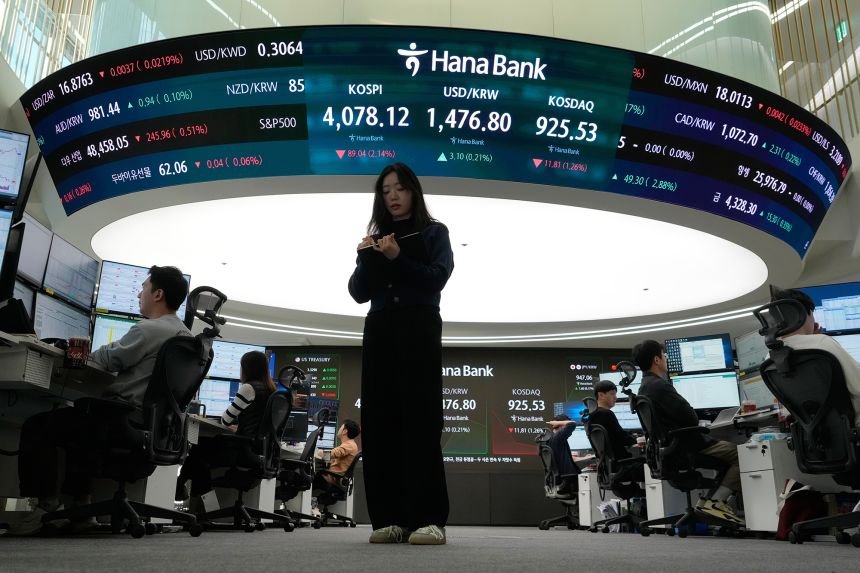
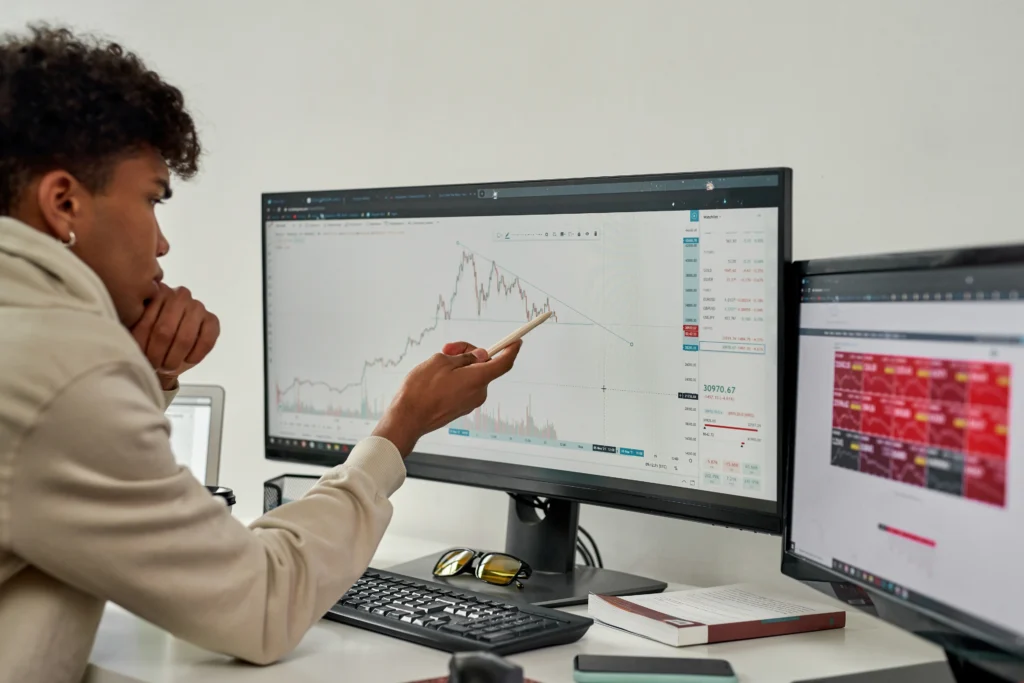
Bitcoin and major altcoins lurched into early 2026 trading as reports of US “large-scale” strikes on Venezuela sent risk assets searching for a footing.
In a statement posted to Truth Social, US President Donald Trump claimed the US had “captured and flown out of the Country” Maduro and his wife, adding that “Details [are] to follow” and promising a news conference at Mar-a-Lago.
It should be noted that sudden geopolitics can slam liquidity, spike uncertainty, and pull crypto back into its “risk-on, risk-off” lane, especially when traders are already on edge around thin holiday-to-New-Year conditions.
Related: US sanctioned country explores crypto payments for war weapons
Tensions between the United States and Venezuela have been building for years, driven by politics, oil, and competing claims of legitimacy, before erupting into the most serious confrontation yet.
Relations between Washington and Caracas deteriorated sharply after Hugo Chávez took power in 1999.
Chávez nationalized Venezuela’s oil industry, expelled U.S. companies, and aligned the country with geopolitical rivals including Russia, China, Iran, and Cuba. The United States accused his government of authoritarianism, while Chávez framed U.S. policy as imperial interference.

After Chávez’s death in 2013, Nicolás Maduro assumed power amid a deepening economic crisis.
Under Maduro, Venezuela entered a prolonged period of hyperinflation, shortages of food and medicine, and mass emigration, with millions leaving the country.
U.S. officials and international observers repeatedly questioned the legitimacy of Venezuela’s elections, including the 2018 and 2024 votes, which Washington said were neither free nor fair.
As a result, the U.S. stopped recognizing Maduro as Venezuela’s legitimate president.
Washington escalated pressure through sweeping sanctions targeting Venezuela’s oil exports, government finances, and senior officials.
The U.S. Justice Department accused Maduro and close allies of running a narco-trafficking network and offered a reward of up to $50 million for information leading to his arrest. Maduro rejected the allegations, accusing the U.S. of attempting to seize Venezuela’s oil wealth.
In late 2025, the standoff intensified as the U.S. increased enforcement actions against Venezuelan-linked oil shipments and accused Caracas of enabling regional instability.