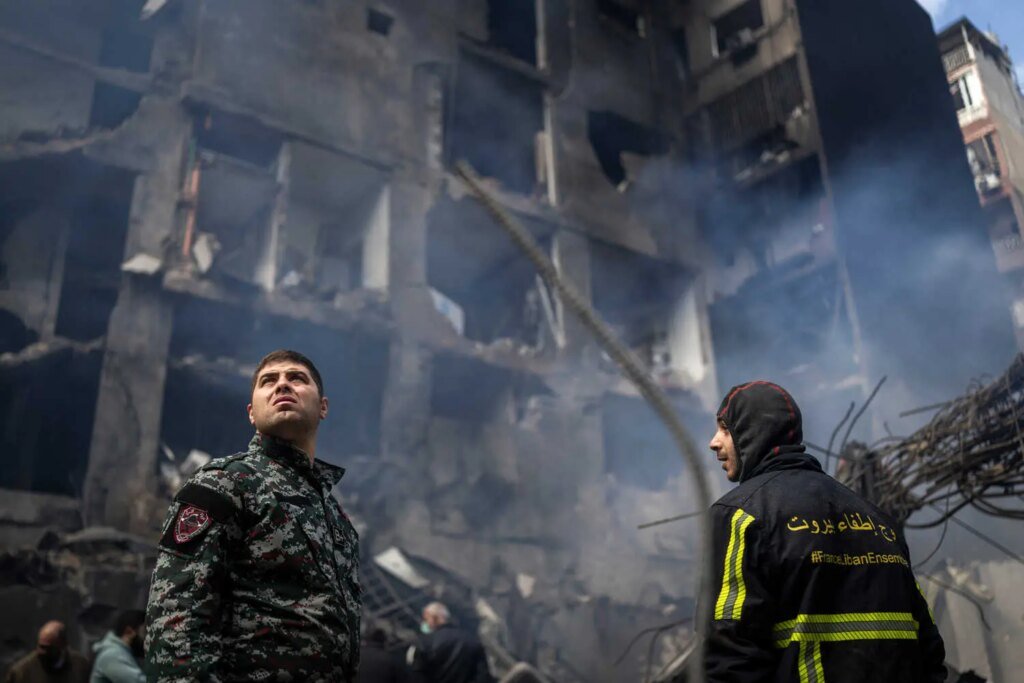
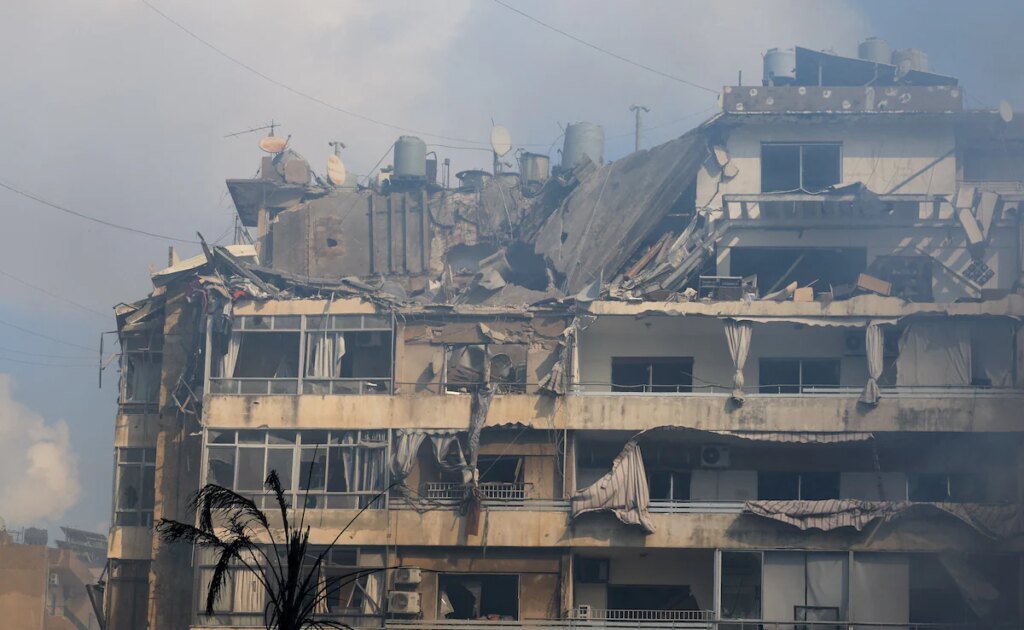
The Iran war, which has gripped West Asia for over a month, began with a sudden and deadly escalation and has since spiralled across land, sea and air, drawing in multiple countries and disrupting global trade. Here is a clear, chronological account of how the conflict unfolded.

Pre-war tensions
February 18: In the weeks leading up to the war, the United States and Iran were engaged in indirect negotiations over Tehran’s nuclear programme, with Iranian Foreign Minister Abbas Araqchi saying both sides had agreed on “guiding principles” but that a final deal was not imminent.
At the same time, Washington was preparing for a possible large-scale conflict, deploying aircraft carriers, warships and fighter jets to the region, as officials indicated that a joint US-Israel military action was increasingly likely.
Khamenei killed on day 1
February 28: The conflict formally began on February 28 when the United States and Israel launched coordinated strikes across Iran, targeting government compounds in Tehran and key military installations.
Among those killed was Iran’s Supreme Leader Ayatollah Ali Khamenei, along with several top military commanders and intelligence officials, including figures linked to the Islamic Revolutionary Guard Corps (IRGS). Khamenei’s death marked a major turning point, effectively dismantling Iran’s top leadership structure on day one.
On the same day, a strike on a girls’ elementary school in southern Iran killed more than 150 people, most of them children. Later analyses suggested the attack may have been linked to a precision strike on a nearby military facility and could have been a targeting error, HT earlier reported.
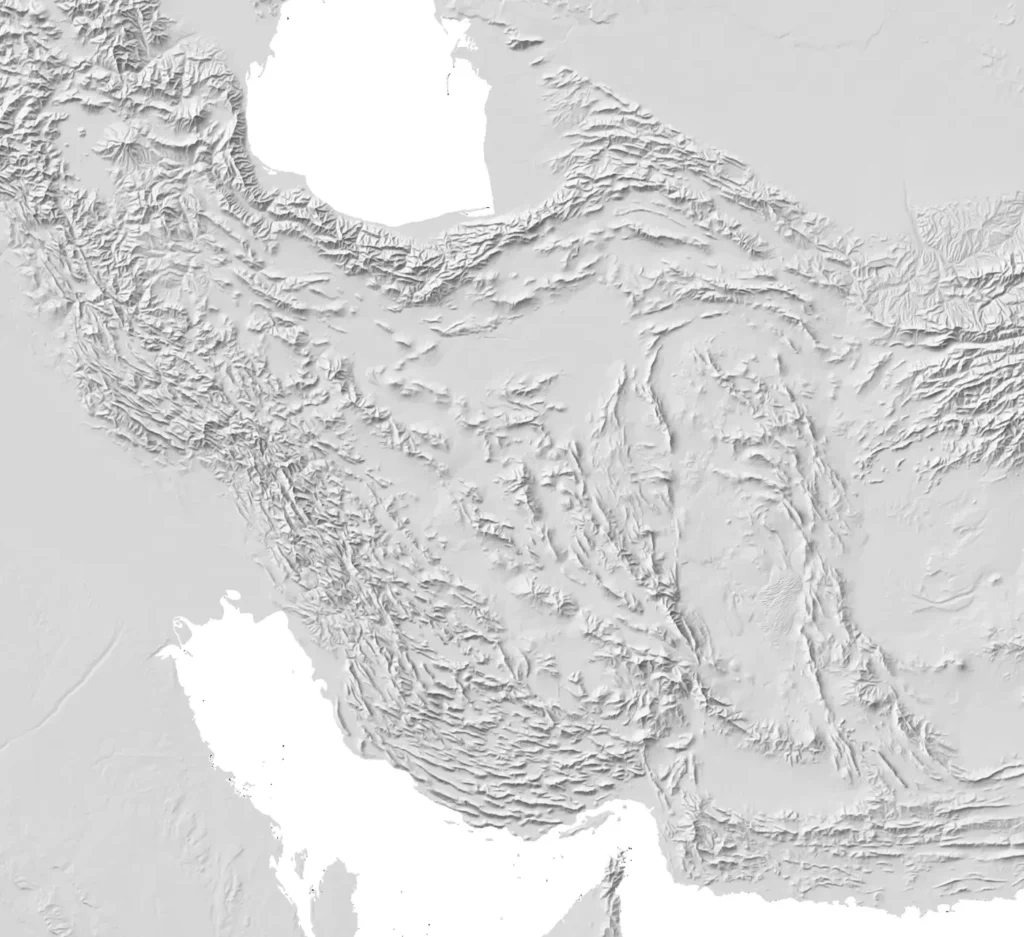
Iran responded with strikes on US and Israeli-linked assets across Gulf countries, disrupting maritime traffic through the Strait of Hormuz, a key global oil route, and rattling international energy markets. Several Gulf countries also shut down their airspaces, leading to global travel disruptions.
March 1: An Iranian drone attack killed six US soldiers in Kuwait, marking the first American fatalities in the war. Iran-backed Hezbollah also entered the conflict, launching rockets towards Israel in retaliation.
Leadership transition in Tehran
Following Khamenei’s death, Iran moved quickly to stabilise its leadership.
March 8: Mojtaba Khamenei, the slain leader’s son, was appointed as the new Supreme Leader. US President Donald Trump rejected this appointment, calling it “unacceptable”.
Strait of Hormuz becomes a flashpoint
March 11: By this time, the conflict had extended to global shipping lanes. Iran struck multiple vessels in and around the Strait of Hormuz, including a Thai cargo ship bound for India that caught fire, triggering rescue operations. These attacks caused oil prices to surge.
A day later, Iran’s new leadership directed the military to intensify efforts to restrict movement through the Strait, further escalating tensions.
Mid-March sees leadership losses
March 13: The United States bombed Kharg Island, Iran’s primary oil export hub, describing the operation as targeting military infrastructure.
In the following days, Israel carried out targeted strikes that killed key Iranian leaders, including National Security Council head Ali Larijani and Basij commander Gholamreza Soleimani.
Energy infrastructure also came under attack, with Israel striking Iran’s South Pars gas field and Iran retaliating by targeting Qatar’s Ras Laffan industrial complex.
Conflict widens beyond core region
By late March, Iran-backed Houthis in Yemen joined the conflict, launching a ballistic missile at Israel, which was intercepted.
The war also spilled into international waters, with incidents such as the sinking of an Iranian naval vessel near Sri Lanka under unclear circumstances, resulting in casualties and a large-scale rescue effort.
March 23: President Trump said the US and Iran were in discussions to end the war, and separately announced a five-day pause in attacks on Iranian energy infrastructure following what he described as “productive conversations”, HT earlier reported. However, hostilities continued despite these early diplomatic signals.
Early April: Air war intensifies
The conflict entered a new phase in April with direct aerial confrontations. Iran shot down a US Air Force F-15E fighter jet, the first American combat aircraft lost in the war, triggering a high-risk search-and-rescue operation.
Additional reports indicated that multiple US aircraft and helicopters were hit within a 24-hour period. A large-scale US mission later successfully rescued one of the downed airmen from Iran.
The final escalation
April 7: As tensions peaked, President Trump issued a stark warning, saying, “A whole civilization will die tonight, never to be brought back again,” if Iran failed to reopen the Strait of Hormuz. This followed a series of earlier deadlines issued by Washington, all tied to demands regarding the strategic waterway.
Hours before the final deadline, the US and Israel launched fresh strikes on Iranian infrastructure, including transport networks allegedly used by military forces.
Ceasefire
Amid fears of a wider catastrophe, Pakistan intervened diplomatically, proposing a two-week ceasefire and urging both sides to step back.
Just 90 minutes before his deadline expired, Trump announced a “double-sided ceasefire,” stating that the US would suspend attacks provided Iran agreed to reopen the Strait of Hormuz.
Iran confirmed it had accepted the ceasefire but disputed key conditions outlined by Washington, including control over the Strait.