Bangladesh has secured a lower 19 per cent US tariff under a trade agreement signed by the two countries on Monday, with exemptions for certain textiles and garments produced using US materials.

Muhammad Yunus, chief adviser to Bangladesh’s interim government, said Washington had “committed to creating a mechanism” that would allow select Bangladeshi textile and apparel goods made with US-produced cotton and man-made fibre to enter the US market at zero reciprocal tariff.
The White House said Bangladesh has agreed to grant significant preferential market access to US industrial and agricultural products, including chemicals, medical devices, machinery, motor vehicles and parts, soy products, dairy items, beef, poultry, tree nuts and fruit.
It added that Bangladesh will also relax non-tariff barriers by accepting US vehicle safety and emissions standards, recognising US Food and Drug Administration certifications, and lifting import restrictions on remanufactured goods.
BANGLADESH TO BOOST US PURCHASES
The two sides also highlighted recent and planned commercial deals, including aircraft procurement, roughly $3.5 billion in purchases of US agricultural goods, and an estimated $15 billion in US energy product imports over 15 years.
According to the 32-page US-Bangladesh agreement released by the Office of the US Trade Representative, Biman Bangladesh Airlines plans to buy 14 Boeing aircraft, with options for additional orders. The airline had first announced a Boeing purchase last July while negotiations were underway.
Bangladesh will also acquire an unspecified quantity of US military equipment and curb purchases from certain countries.
The South Asian, low-wage economy also pledged to uphold internationally recognised labour rights and strengthen environmental safeguards.
Yunus said the deal followed nine months of negotiations that began in April last year.
In August, Bangladesh secured a cut in US tariffs on its exports to 20 per cent, down from the 37 per cent initially proposed by Washington, offering relief to the country’s apparel exporters.
INDIA STILL NEGOTIATING
Bangladesh’s tariff rate is slightly higher than the 18 per cent rate for imports from India agreed last week by the Trump administration, though that arrangement still requires further negotiations before it is finalised.
US Trade Representative Jamieson Greer said Bangladesh is the first South Asian country to complete a reciprocal trade deal with the US, calling it “a meaningful step forward in opening markets, addressing trade barriers, and creating new opportunities for American exporters.”
The ready-made garments sector remains the backbone of Bangladesh’s economy, accounting for more than 80 per cent of export earnings, employing about 4 million workers, and contributing roughly 10 per cent to gross domestic product.
Bangladesh goes to the polls on Thursday to elect new leadership after being run by an interim government since August 2024, when former Prime Minister Sheikh Hasina fled to India, where she remains.
Under tariff schedules released by the USTR, Bangladesh will reduce high duties to zero on several farm and food products, including poultry, pork, seafood, rice, corn and cereal grains, once the agreement takes effect.
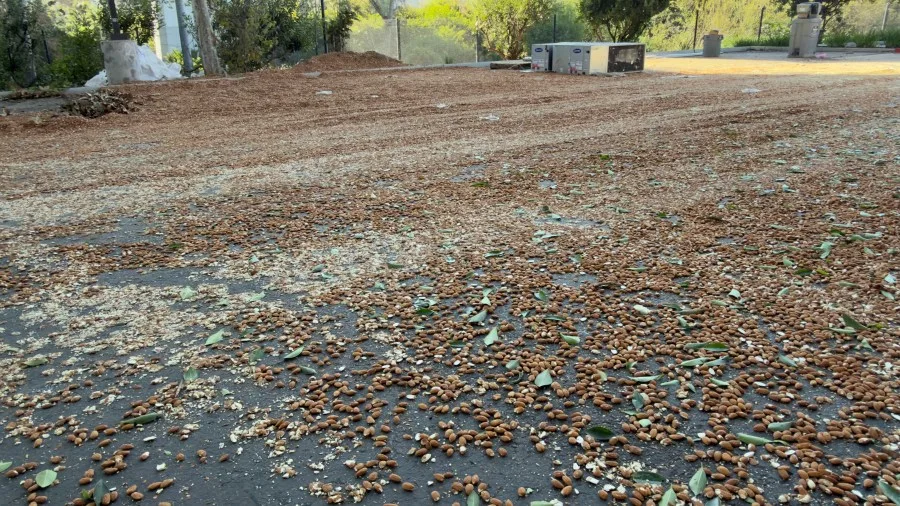
Other tariffs will be cut by 50 per cent at the outset and then phased down to zero over five or 10 years, depending on the product. For instance, the current 53.6 per cent duty on almonds will fall to zero over a decade, while the same rate on four-stroke auto rickshaw engines will be eliminated within five years.
Most US tariffs will be set at a flat 19 per cent, but Bangladeshi-made pharmaceutical ingredients and aircraft parts will be exempt from duties, in line with treatment extended to other countries that have signed tariff-reduction deals with President Donald Trump’s administration.