Published on
March 29, 2026

Image generated with Ai
The United Kingdom’s tourism sector is gearing up for a monumental rise in international visitors in 2026, driven by strategic government support, innovative global marketing campaigns, and growing demand for the nation’s rich cultural and natural offerings. With projections suggesting 45.5 million international visitors are expected to arrive, the UK is set to surpass pre-pandemic levels and set new records for inbound tourism. This marks a significant recovery and momentum for a sector that is central to the UK’s economic landscape.
Government-backed campaigns, led by VisitBritain, alongside infrastructure upgrades and targeted international outreach, play a key role in this remarkable growth trajectory. As the global tourism market rebounds, the UK is firmly positioned as one of the most sought-after travel destinations in 2026.
The Economic Impact of UK Tourism in 2026
Tourism remains a crucial contributor to the UK economy, with forecasts predicting that visitor spending will reach an impressive £35.7 billion in 2026. This surge in tourism revenue will be vital in boosting regional economies, supporting local businesses, and creating thousands of jobs in sectors ranging from hospitality and transport to entertainment and retail.
The tourism sector is a pillar of the UK’s GDP, and with the upcoming boom in 2026, it is projected that the industry will contribute more than £161 billion to the economy by 2030. This expansion will further solidify tourism’s role as one of the most significant economic drivers in the UK.
VisitBritain’s Role in Shaping Tourism Growth
The continued success of UK tourism is largely attributed to the efforts of VisitBritain, the national tourism agency. Tasked with promoting the UK globally, VisitBritain employs innovative marketing strategies to attract travellers from around the world. Through partnerships with cultural, hospitality, and transport industries, the agency ensures that the UK remains competitive in the crowded global travel market.
Recent government initiatives, including the freeze on rail fares and campaigns during English Tourism Week, have played a pivotal role in making travel more affordable and accessible for both domestic and international visitors. Such measures are designed to reduce travel costs, making it easier for travellers to experience the best of what the UK has to offer.
Advertisement
Advertisement
A Rise in Global Visitor Interest and Strong Demand from Key Markets
The broad recovery of global travel has greatly influenced the positive outlook for UK tourism in 2026. Increased interest in the UK’s world-class attractions — including museums, theatres, and historic landmarks — is contributing to the surge in visitors. Key markets such as the United States, Germany, and France continue to lead in international arrivals, with many travelers eager to visit iconic destinations like London, Edinburgh, and the coastal towns of Cornwall.
Regions across the UK are also gaining popularity, as more tourists seek unique experiences in the countryside, historic sites, and lesser-known but equally captivating destinations.
Advertisement
Advertisement
Cultural Richness and World-Class Attractions Drive Tourism
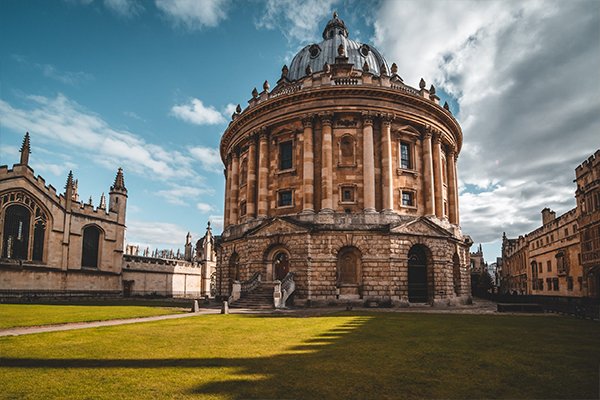
The UK’s cultural heritage, diverse museums, and vibrant arts scene are also major draws for international tourists. From the grandeur of Buckingham Palace and the ancient Stonehenge to the cultural vibrancy of London’s West End, the UK offers a unique blend of history, culture, and modern entertainment. Furthermore, the country’s rich food scene, from Michelin-starred dining to local markets, continues to attract global food lovers.
In addition to its urban hubs, the UK’s countryside and coastal destinations provide authentic, nature-based experiences that are increasingly sought after by eco-conscious tourists. The scenic beauty of the Scottish Highlands, Lake District, and coastal resorts in Wales are just a few of the UK’s undiscovered gems, making it an attractive destination for nature enthusiasts and adventure seekers alike.
The Role of Domestic Tourism in Supporting Growth
In addition to international visitors, the domestic tourism market has also remained strong. British residents continue to spend billions on day trips, overnight stays, and leisure activities throughout the year. Domestic tourism provides essential support to local economies across the UK, ensuring that businesses in both rural and urban areas thrive. By encouraging British citizens to explore their own country, the UK government helps sustain a vibrant tourism industry year-round.
With initiatives to encourage more people to engage in domestic tourism, from staycations to visits to lesser-known attractions, the UK’s visitor economy continues to benefit from a diverse and growing pool of travellers.
Conclusion: United Kingdom Remains a Top Travel Destination
The United Kingdom is a top tourist destination, thanks to its rich cultural heritage, from world-class museums and castles to vibrant festivals. Government initiatives and tourism policies have made travel more affordable, while improving infrastructure ensures a smooth travel experience. Strong global marketing and a thriving domestic tourism market further enhance the UK’s appeal.
These factors position the UK for continued growth as a leading destination in 2026 and beyond. The country is not only recovering from the pandemic but emerging stronger, with its cultural richness, government support, and global competitiveness driving future success.
Advertisement
Advertisement