Published on
January 13, 2026

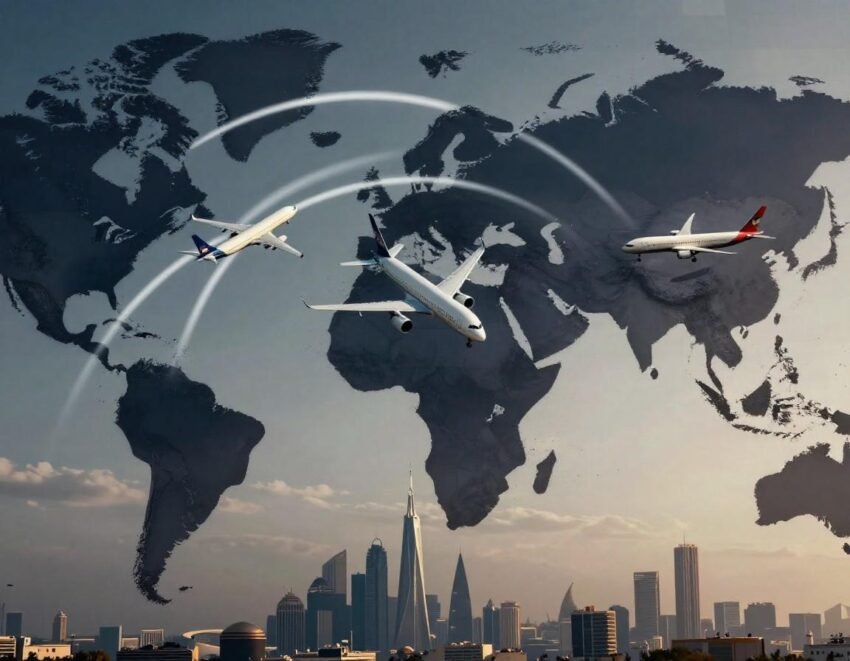
United Kingdom, Germany, India, and China—four of the largest sources of international visitors to the U.S.—are facing a major setback when it comes to planning their dream vacations. The recent introduction of a $100 surcharge for non-resident visitors to access some of the country’s most iconic national parks, including the Grand Canyon and Yellowstone, is casting a shadow over what was once an easy and affordable travel destination. This price hike, aimed at raising funds for park maintenance, is causing a stir not just among tourists, but also within the airline and hospitality industries. Major carriers like British Airways, Lufthansa, and Air India, which have long catered to international travelers, could see a significant dip in bookings as the total cost of visiting the U.S. rises. Similarly, hotel chains such as Hilton and Marriott, which rely heavily on international guests near national parks, might face dwindling reservations. While the U.S. remains a bucket-list destination for many, the additional $100 fee per park could force tourists to rethink their plans or consider other destinations. With the tourism sector already reeling from previous setbacks, this policy could mark a turning point for future travel patterns. As the fallout continues, both travelers and the travel industry must brace themselves for what could be a dramatic shift in international tourism to the U.S.
United Kingdom, Germany, India & China Travelers Hit Hard by New U.S. Park Fees: Will British Airways, Lufthansa, Air India & Hilton See a Decline in Bookings?
The United States has long been a top destination for international travelers, offering a vast array of national parks, vibrant cities, and cultural experiences. However, a new fee policy at national parks, especially those located in Arizona, is creating waves in the travel industry. With a significant fee increase for international visitors, travelers from countries like the United Kingdom, Germany, India, and China are now facing an extra $100 charge to access the Grand Canyon and other popular parks. This change could have a ripple effect on airlines, hotels, and travel bookings, as the burden of additional costs might discourage international tourists from visiting the U.S. While this policy aims to boost revenue for park maintenance and operations, it raises important questions about its impact on U.S. tourism, particularly for airlines and the hospitality industry.
The Impact on International Travel: United Kingdom, Germany, India & China Hit Hard
For years, the U.S. has been one of the most visited destinations for tourists from the United Kingdom, Germany, India, and China. These countries contribute heavily to the tourism economy, not just in terms of park visits, but also through airline bookings, hotel stays, and local spending. However, the new $100 surcharge for non-resident visitors could create barriers that discourage these travelers from venturing to the U.S.
For tourists from the United Kingdom, the U.S. has long been a favored holiday destination, with cities like New York, Los Angeles, and Washington, D.C., drawing thousands of British visitors each year. With the added $100 charge to enter national parks, including the Grand Canyon and Yosemite, many potential visitors might reconsider their plans. British Airways, a major carrier for transatlantic flights, could see a dip in bookings, particularly for travelers planning multi-destination trips that include national park visits.
Similarly, Germany, with its rich history of U.S. travel, is also likely to feel the effects of this fee change. Germany ranks as one of the largest sources of international tourists to the U.S., particularly to cultural landmarks, national parks, and large cities. Lufthansa, the German airline giant, could see a decline in bookings from German nationals if the additional park fees significantly increase the total cost of their vacations. This trend is not limited to the United Kingdom and Germany; India and China, two rapidly growing sources of U.S. visitors, are also likely to be affected by this policy.
How Air India, Lufthansa, and British Airways Could Be Affected
Airlines such as Air India, Lufthansa, and British Airways have long provided essential services for international tourists traveling to the U.S. These airlines offer frequent flights from key cities like New Delhi, Frankfurt, and London, making the U.S. easily accessible for travelers. However, the new national park fee could discourage travelers from making the long journey, particularly if they are planning to visit the U.S. specifically for its national parks.
Air India, which has steadily increased its number of flights to U.S. cities, could see a drop in demand for its transatlantic routes, especially for passengers intending to explore the great outdoors. While the airline itself might not be directly impacted by the park fee, it is likely to see fewer passengers booking round-trip tickets that include park visits.
Lufthansa, another major player in the long-haul airline market, could face similar challenges. Germany has consistently been one of the largest contributors to inbound U.S. tourism, but the $100 fee may make it less appealing for German tourists to visit national parks. In a market where travelers often compare prices and seek cost-effective ways to enjoy multiple destinations, the added cost of park entry could make U.S. trips less affordable for Germans.
British Airways, operating as the primary airline for UK travelers heading to the U.S., could see a decline in the number of bookings for leisure travelers. The added $100 cost may discourage potential visitors from taking the plunge and planning an expensive, multi-destination U.S. trip. British Airways may also experience reduced demand for flights to cities that serve as entry points for national park excursions, such as Las Vegas, Phoenix, and Denver.
Hospitality Industry’s Response: Hilton, Marriott, and Hyatt Brace for the Impact
The hospitality industry is another key player that stands to be affected by the new national park fees. Major hotel chains like Hilton, Marriott, and Hyatt could see a decline in bookings from international tourists who are less inclined to pay the extra surcharge for national park access.
For Hilton, Marriott, and Hyatt, which have a substantial presence in major U.S. cities as well as near national parks, the new fees might limit the number of international guests who are willing to make the long journey to the U.S. As national parks such as the Grand Canyon and Yellowstone are often part of multi-destination itineraries, a reduction in park visitors could reduce demand for hotel accommodations in nearby areas.
Hilton, one of the largest hotel chains in the U.S., has seen steady growth in international tourism over the years. However, with international visitors now facing an additional $100 charge to visit iconic parks, the chain could experience fewer international bookings, particularly from tourists visiting for the first time.
Similarly, Marriott, with its extensive portfolio of hotels near major U.S. parks, is also at risk of seeing a decline in bookings. Many travelers, especially those coming from Europe and Asia, view a visit to U.S. national parks as a once-in-a-lifetime experience. However, the added cost of park entry may cause travelers to rethink their itineraries, leading to fewer hotel bookings at nearby properties.
Hyatt, which has seen an uptick in international visitors staying at its hotels in key U.S. cities and national park regions, may face similar challenges. The increase in park fees could discourage long-haul travelers from staying longer in the U.S. or visiting parks that are now out of their budget. For a brand that has invested heavily in promoting its proximity to national parks, this new fee structure could pose a threat to its market share in these regions.
The Effect on Airfare Pricing and Travel Costs for International Tourists
With airlines and hotels preparing for a potential downturn in bookings, it is likely that airfare pricing could also be affected. Airlines may need to adjust their pricing strategies to offset any potential loss of international tourists, particularly from key markets like the United Kingdom, Germany, India, and China. Lower demand for travel to the U.S. could lead to reduced flight availability, and consequently, airlines may need to increase prices on certain routes to maintain profitability.
For travelers, the combination of higher airfare costs and additional national park fees could significantly impact the overall cost of a U.S. trip. What was once a cost-effective destination for international tourists could become increasingly out of reach for many travelers, particularly those from countries with less favorable exchange rates or lower purchasing power.
For example, a family of four from Germany planning a trip to the Grand Canyon, Yellowstone, and Zion National Park will now face an additional $400 in park fees alone. When added to the cost of flights with Lufthansa, accommodations at Hilton or Marriott, and the general expense of U.S. travel, the total cost of the trip could rise significantly.
Travel Tips: Maximizing Value Despite Higher Fees
While the new national park fee presents challenges, there are still ways for travelers to get the most value out of their U.S. trip. Here are some travel tips for international tourists:
- Consider an Annual Pass: If you plan to visit multiple national parks, purchasing an annual pass may provide better value than paying for individual park entry. While the cost for international visitors is now $250, it could be a cost-effective option for those visiting several parks.
- Plan a Multi-Destination Trip: By combining national park visits with city tours or cultural experiences, travelers can still make the most of their trip to the U.S. Look for cities with multiple attractions that don’t charge the extra park fees.
- Book Flights Early: To minimize travel costs, book flights as early as possible to secure the best deals. Airlines like Air India, Lufthansa, and British Airways often offer competitive pricing, especially for early bookers.
- Travel During Off-Peak Seasons: Consider visiting the U.S. during the off-peak seasons, such as fall or spring. Not only will you avoid the crowds, but you may also find lower hotel rates and more affordable flights.
- Stay in Nearby Cities: If you’re visiting a national park, consider staying in nearby cities where hotel rates may be lower. Cities like Flagstaff (for the Grand Canyon) or Jackson (for Yellowstone) offer plenty of accommodation options without the park fees.
A Changing Landscape for U.S. Tourism
The introduction of a $100 surcharge for international visitors to U.S. national parks is set to reshape the tourism landscape. Airlines, hotels, and travel companies must adapt to these changes by reevaluating their offerings and adjusting prices to remain competitive. For international travelers, it’s essential to factor in these new fees when planning a U.S. vacation, especially if national parks are part of the itinerary.
As the tourism industry braces for the effects of this new fee, the coming months will be crucial in determining whether the policy leads to a permanent shift in international travel patterns or whether travelers will continue flocking to the U.S. Despite the challenges, the U.S. remains a top destination for global travelers, and with careful planning, tourists can still make the most of their American adventure.