Published on
March 30, 2026

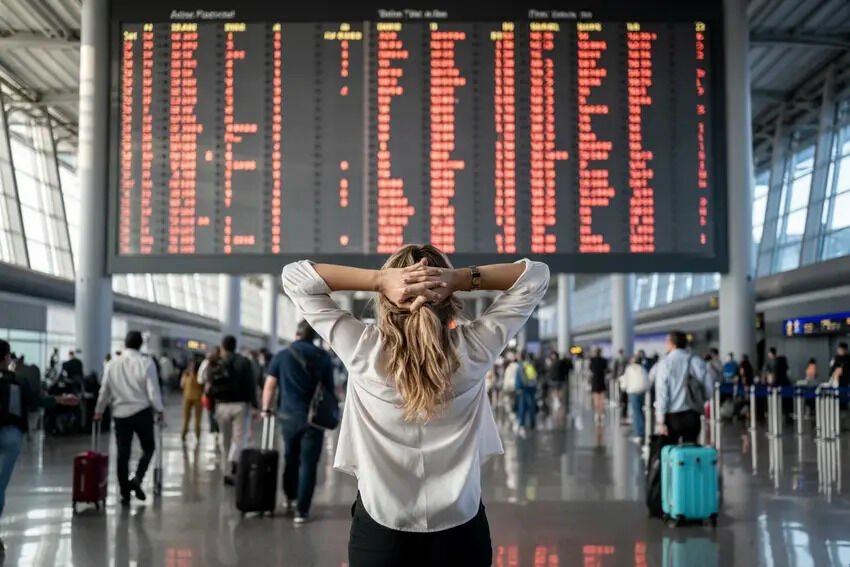
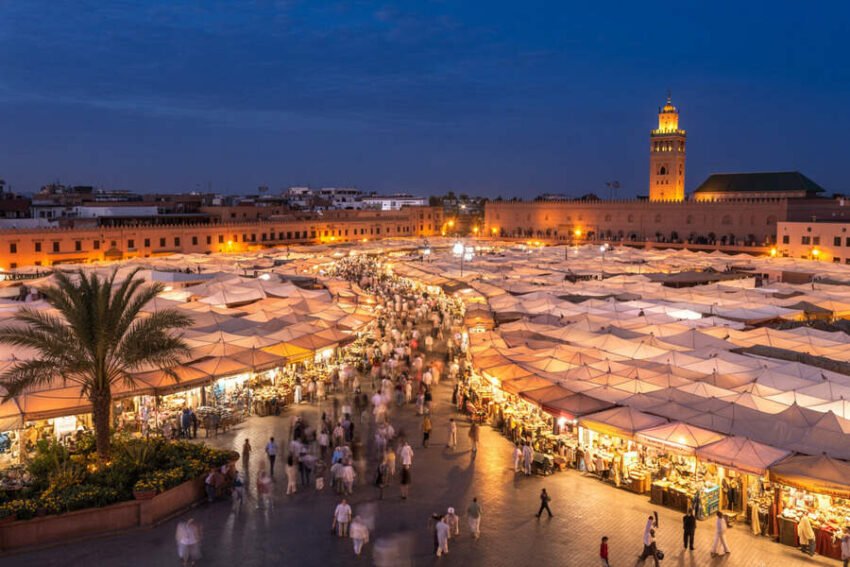
Image generated with Ai
As geopolitical instability in the Gulf region continues to disrupt global travel, Spain is experiencing a remarkable surge in tourism, driven largely by travelers from the United Kingdom, Germany, and France. The ongoing crisis has prompted European visitors to seek closer, more affordable destinations, with Spain emerging as a prime beneficiary. With its mix of cultural richness, safety, and accessibility, Spain is on track to welcome over one hundred million international visitors in 2026, marking an unprecedented milestone for the country’s tourism sector. The shifting global travel patterns are reshaping Spain’s tourism landscape, positioning it for explosive growth in the coming year.
As geopolitical unrest continues to disrupt global travel patterns, Spain stands to emerge as one of the major beneficiaries. With tensions escalating in the Gulf region, travelers are rethinking their international itineraries, and the Spanish tourism industry is well-positioned to capitalize on these shifts. Experts predict a surge in demand for Spanish destinations, especially as Europeans seek closer, more affordable options due to rising oil prices and concerns about long-haul travel safety. Here’s how Spain’s tourism sector is set to thrive despite global uncertainties.
Shifting Travel Trends and the Impact of Gulf Instability
Geopolitical instability in the Gulf region has reshaped international travel dynamics. The rise in tensions, particularly between countries like Iran and Saudi Arabia, has led many travelers to reconsider routes that pass through key Middle Eastern hubs. Airlines and travelers are increasingly avoiding the region, either opting for alternative routes or reconsidering travel altogether. This shift, while driven by security concerns, has also been compounded by higher oil prices, which are expected to increase airfare costs, particularly for long-haul routes to the Gulf and Asia.
With higher fuel costs driving up airfares, travelers from Europe are now more likely to opt for shorter, more accessible destinations, favoring nearby European countries. Spain, with its appeal of affordability, proximity, and cultural richness, stands ready to capture the attention of these travelers.
Advertisement
Advertisement
Spain as a Safe, Stable, and Accessible Destination
Spain’s reputation as a stable and safe destination, combined with its wide array of offerings, makes it an attractive option for travelers looking for a reassuring yet enriching experience. Known for its sunny weather, rich cultural diversity, and world-class amenities, Spain is poised to become a top destination for those reconsidering long-haul trips due to the instability in the Gulf.
For many European travelers, Spain represents the perfect blend of convenience and quality. Its well-established transportation infrastructure, coupled with its vibrant cities, charming coastal resorts, and picturesque islands, offers something for every type of traveler, from history buffs and art lovers to sun-seekers and adventure enthusiasts.
Advertisement
Advertisement
Strong Performance in 2025 Shows Continued Growth
Spain’s tourism sector has been performing strongly, particularly in 2025, when it welcomed 97 million foreign visitors, marking a 3.5% increase from the previous year. This rise in numbers highlights that Spain is not just benefiting from a post-pandemic bounce-back but is experiencing sustained growth. With tourism representing around 13% of Spain’s GDP, the sector plays a vital role in the country’s economy, driving employment in various industries, including hospitality, transportation, retail, and cultural services.
The continued dominance of European visitors underpins much of this growth. Countries like the United Kingdom, Germany, and France are key markets for Spain, and this is unlikely to change in the coming years. These nations, alongside other European countries, are expected to account for a significant portion of the tourism demand as travelers look for closer destinations amid global uncertainties.
Advertisement
Advertisement
European Markets Drive Demand for Spain
- United Kingdom: The UK continues to be one of Spain’s largest tourism markets, with millions of Britons flocking to Spain’s Mediterranean coasts, islands, and cities every year. With the rising cost of travel, many UK travelers are increasingly looking at Spain as an affordable, safe, and close alternative to other long-haul destinations.
- Germany: Germany has long been a steady source of tourists for Spain, and this trend is likely to continue. German travelers are known for their love of Spain’s cultural landmarks, beaches, and natural beauty. With the shift in global travel patterns, Spain’s proximity and affordability only make it a more attractive option for German visitors seeking to avoid rising airfare prices for far-flung destinations.
- France: France, with its own strong tourism industry, shares a close geographic and cultural connection with Spain. French travelers, particularly those from regions near the border, are expected to increase their visits to Spain, enjoying its diverse offerings ranging from beaches in Costa Brava to historic sites in cities like Barcelona and Madrid.
As European travelers face increased costs for long-haul travel, Spain’s appeal as an accessible and cost-effective destination grows stronger. With these three countries accounting for roughly half of all international visitors, Spain stands to see significant growth from its core European markets.
Long-Haul Travel: A Growing Opportunity
Spain is also seeing growth in long-haul travel, particularly from the United States and Latin America. U.S. travelers, in particular, are staying longer and spending more, which makes them a valuable segment for Spain’s tourism economy. With both international arrivals and spending on the rise, Spain is becoming increasingly attractive to tourists beyond its European neighbors.
In 2025, international tourism spending in Spain reached approximately €135 billion, marking a 6.8% increase from the previous year. This indicates not only growth in the number of visitors but also a rise in the economic impact of tourism. The United States, as well as various countries in Latin America, have increasingly become important markets, particularly for the high-spending travelers who contribute significantly to Spain’s economy.
Year-Round Demand Boosted by Changing Travel Habits
Another notable trend that is expected to favor Spain is the changing distribution of travel demand throughout the year. In the past, peak summer months dominated international tourism, but in recent years, shoulder seasons and even winter months have seen stronger performance. Spain’s mild climate and wealth of indoor and outdoor attractions have made it an attractive year-round destination.
The ongoing geopolitical instability in the Gulf region is expected to further accelerate this trend. As travelers shift their focus to Europe, Spain is likely to see even more balanced demand across the entire calendar year, with more visitors choosing to travel in the off-season to avoid higher prices and the crowds of peak summer.
Driven by travelers from the United Kingdom, Germany, and France, Spain is set to reach a historic milestone of one hundred million international visitors in 2026, fueled by the Gulf crisis and shifting global travel patterns. The country’s appeal as a safe, affordable, and culturally rich destination has made it a prime beneficiary of these changes.
A Bright Future for Spain’s Tourism Sector
As geopolitical tensions continue to reshape global travel trends, Spain is well-positioned to capitalize on these shifts. Its appeal to European travelers looking for close, affordable destinations and its growing popularity among long-haul visitors from the U.S. and Latin America signals a bright future for Spain’s tourism sector. With its strong performance in 2025, Spain’s tourism industry could see over 100 million international arrivals for the first time, marking a new milestone in its growth and cementing its place as a top global travel destination.
Spain’s tourism sector is not just recovering; it is thriving—and the future looks promising as global travel dynamics continue to evolve.
Advertisement
Advertisement